
Broadway Productions Remain the Center of the American Theater - New York City, New York
WHAT IS IT?-
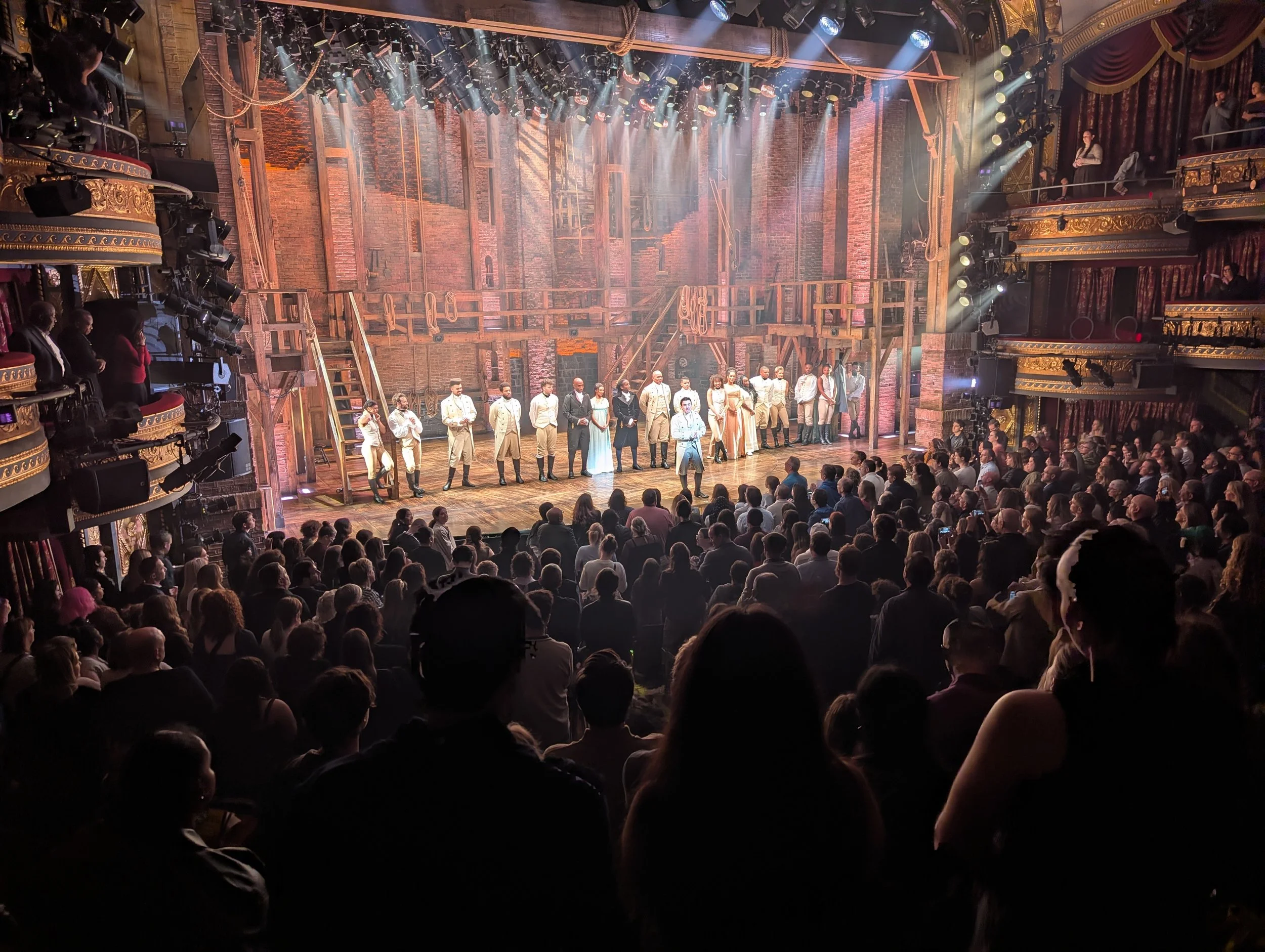
Modern Broadway is a massive entertainment enterprise that makes New York City one of the world’s cultural capitals. Broadway theatrical performances take place daily in 41 theaters with a capacity of 41 seats that are located throughout the Theater District and other venues in Midtown Manhattan. Seeing a Broadway production with an orchestra providing the music, while talented actors and actresses deliver their lines and sing songs on a huge stage with changing scenery and special effects, is a unique experience that goes beyond attending a concert or a movie.
Theatrical productions ranging from Shakespearean plays to minstrel and vaudeville shows have been a part of the cultural makeup of New York City since colonial times. Initially located in the downtown section of the city, most theaters moved to midtown Manhattan by the early 1900s and became concentrated around Times Square and Broadway. Ziegfeld song and dance reviews, stage musicals, and serious dramas written by American playwrights emerged as an important form of culture and entertainment for the growing population of the city.
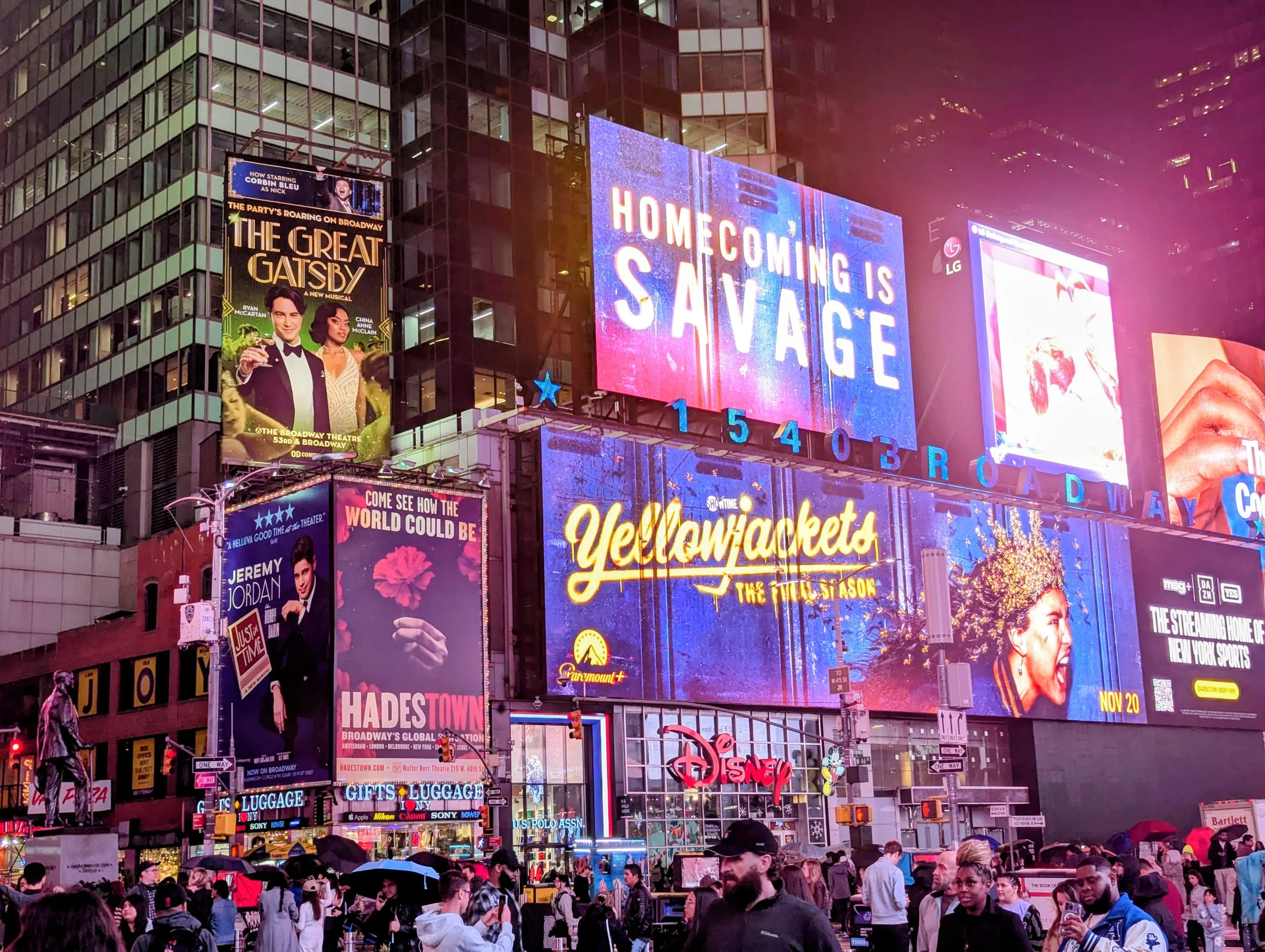
The size and professionalism of plays in the modern era has turned Broadway into a substantial business enterprise. Attendance at the 74 active Broadway shows that took place during the 2026 season reached 14.6 million people with theaters achieving 91 percent capacity and selling tickets at an average price of $131 per show. The last season generated almost $2 billion in gross revenue at the box office which was the highest grossing season in history. The growth of Broadway in the past few decades has also helped the city revitalize the Times Square area as a tourist destination for visitors from around the world.
The shows produced on Broadway create additional revenue streams for their owners in later years. Many shows that run on Broadway spin off touring productions that give performances at different cities across the country or in the West End of London. Other shows generate revenue from theater companies purchasing licenses to perform the play or from Hollywood movies based on the play. Finally, merchandise and record sales can continue for years.
THEMES OF CURRENT BROADWAY PLAYS
Developing a new play on Broadway can easily cost $10 million to get to opening night and a musical can cost up to $20 million. Once a play is running the operating costs can be over $650,000 per week. Given these barriers to bringing a new play on line, it is not surprising that many new plays are based on the life story or the music of real people such as the "Jersey Boys" about The Four Seasons, "Oh Mary" about the life of Mary Todd Lincoln, and "Dolly" about Dolly Parton. Another approach used to fill seats is to take popular childrens' stories like The Lion King, Aladdin, and Harry Potter, and adapt them to the stage as Disney and Warner Brothers have done. Other productions give a leading role to a well known actor or actress and build a play around their personal popularity. Despite these props, some plays based on dramatic themes such as "A Few Good Men" and "Other Desert Cities" are also doing quite well in 2026.
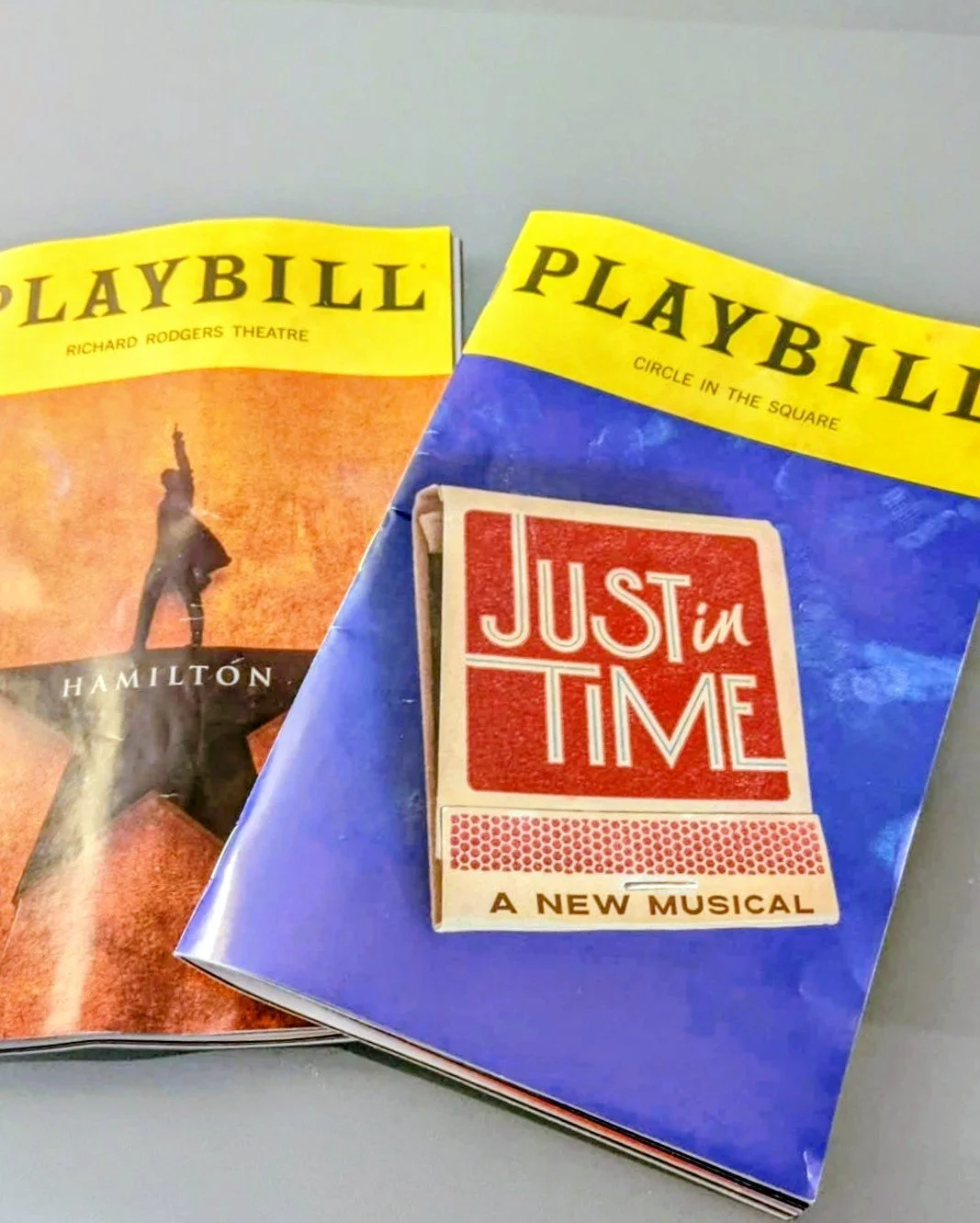
Two different plays recently seen by the author on Broadway show the popularity and diversity of the theater:
Hamilton- The popular play Hamilton has been running on Broadway for eleven years and is still routinely sold out with many people coming for repeat performances. Featuring black performers in all major roles, the play tells the story of the colonial era American immigrant Alexander Hamilton, who rose to become a key aide to George Washignton during the Revolutionary War and served as Treasury Secretary during his Presidency. Hamilton's struggles to be "in the room where it happens" and get his "shot" for political power in competition with people like Thomas Jefferson and Aaron Burr, while preserving his family life, are dramatized in the play. The musical play uses a combination of songs and rap dialogue to tell the story including depicting the eventual death of Hamilton and his son Dodd in duels defending his honor. The dialogue can be difficult to follow at times but the acting is exceptional allowing the audience to understand the story and see all sides of an important and complicated man.
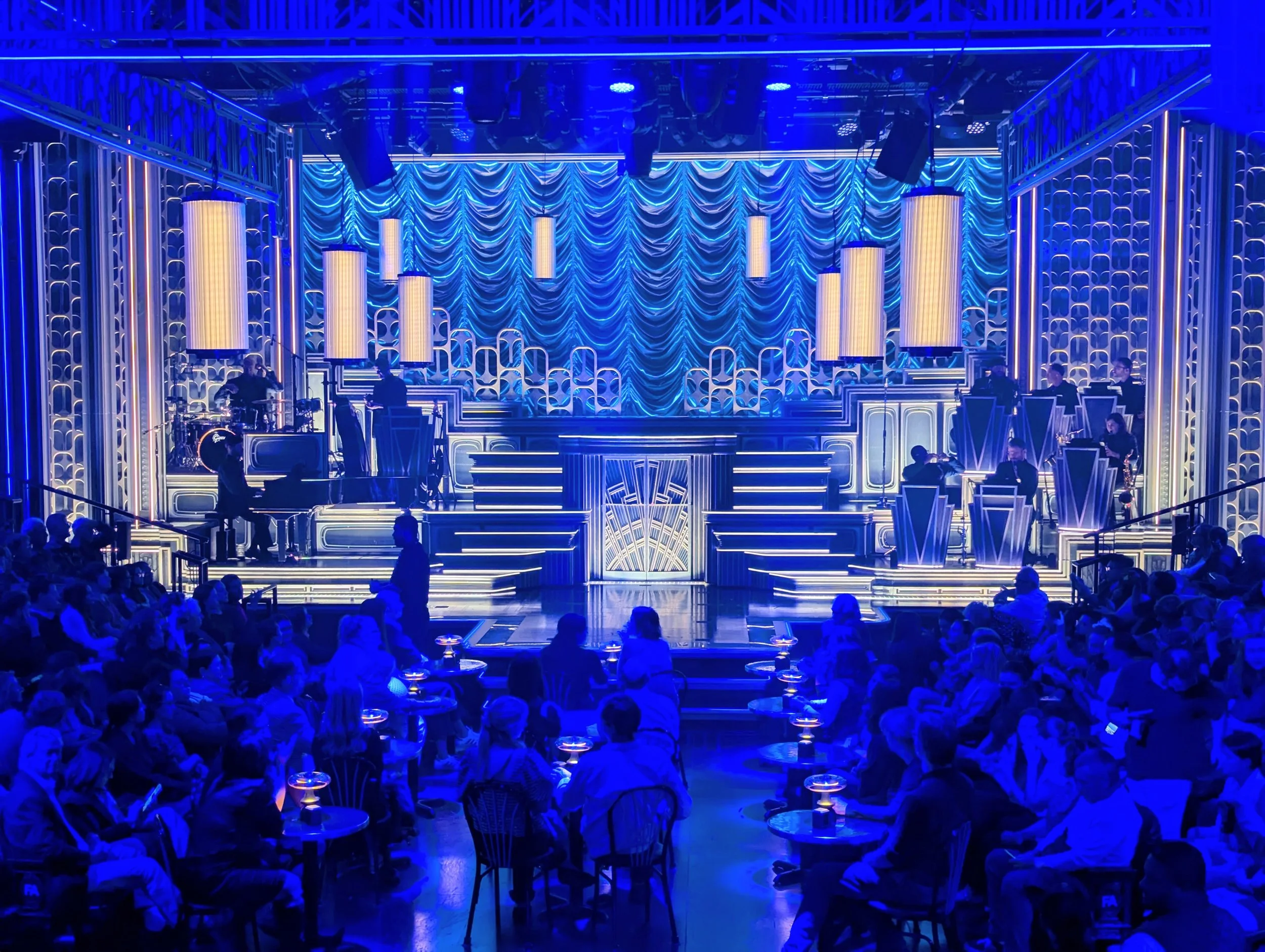
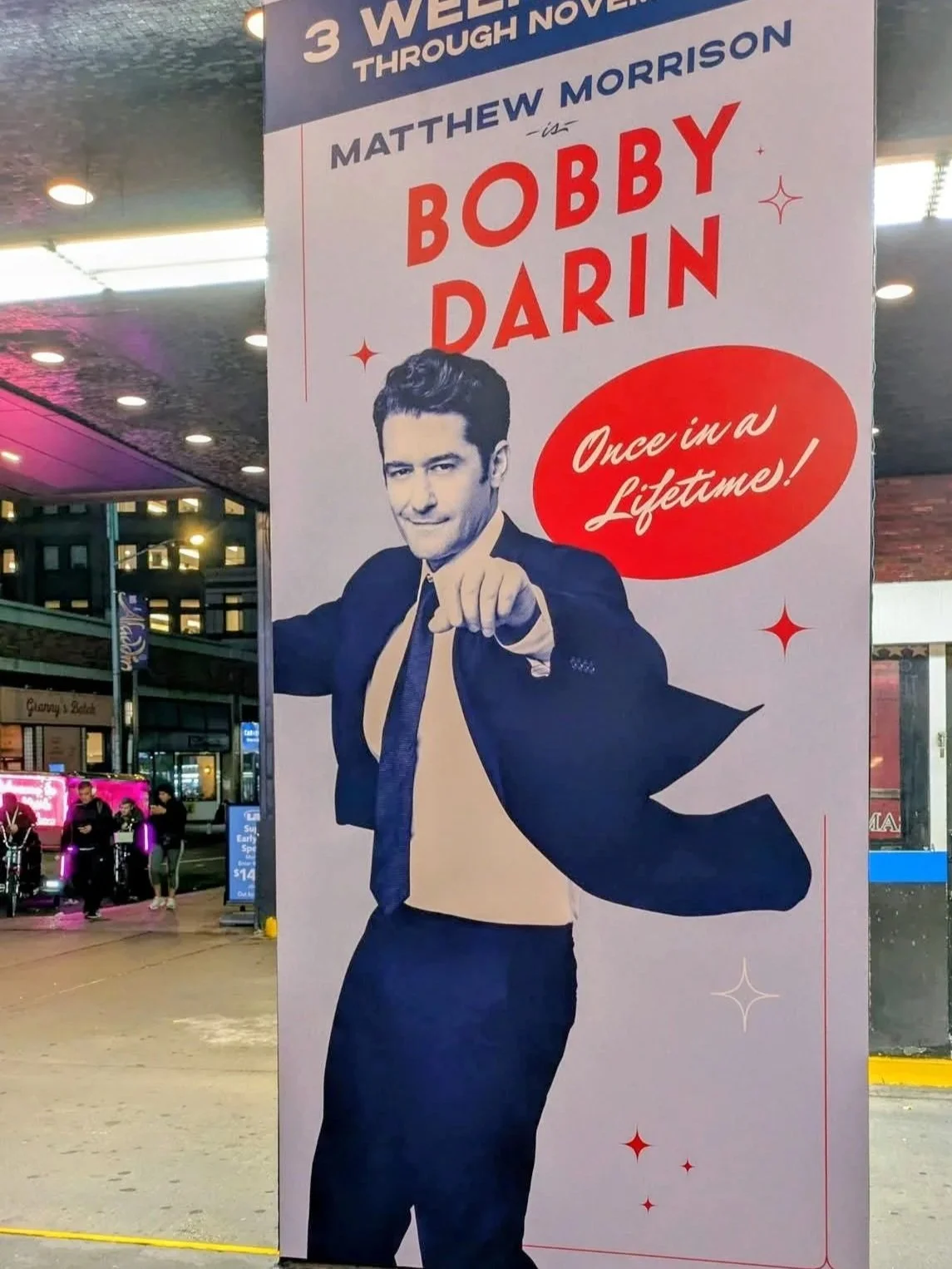
Just in Time- Just in Time is a new show on Broadway that uses excellent singing, set design, and an interesting plot to tell the audience about the life and and success of singer Bobby Darin in the late 1950s and early 1960s. It focuses on his unexpected rise to fame with songs like Mack the Knife, Beyond the Sea, and Dream Lover, as well as the intersection of his life with his wife Connie Francis, one time flame Sandra Dee, and his mother and sister. The theater is set up for the play like a recreation of the Copacabana Club of New York in the fifties using several stages and the aisles of the theater for dialogue and memorable songs. The acting of the principals and various sidekicks is strong and convincing with poignant insights into that era. Just in Time is an excellent musical addition to Broadway with an open end engagement expected to run well into 2027 or beyond.
WHAT YOU WILL EXPERIENCE HERE
There are many distinctive things about seeing a Broadway play that may be surprising to newcomers. Here are some of them:
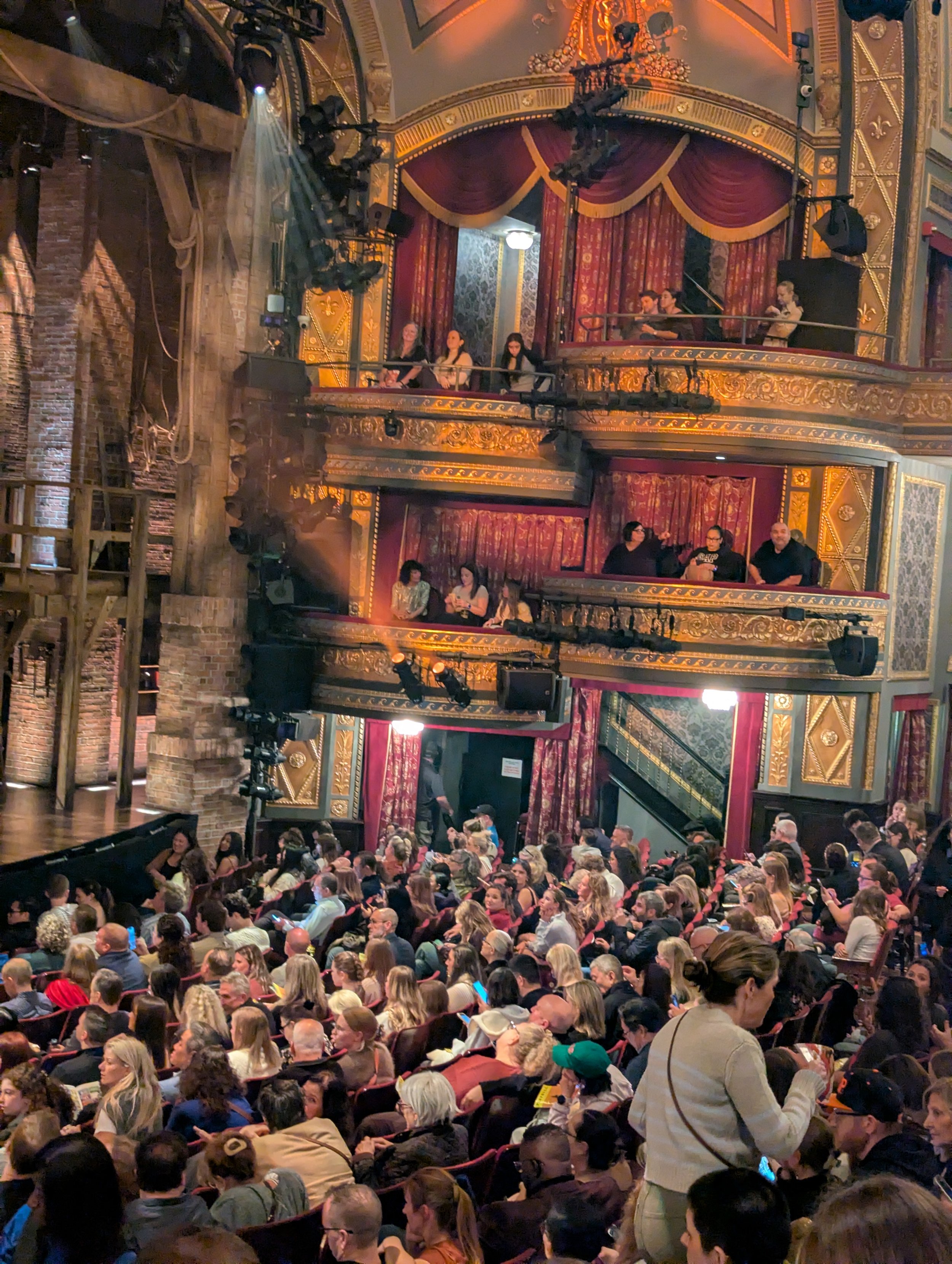
Ticket Availability - Tickets for some of the most popular new shows and long lasting standards that have been playing for years can be difficult to get. To ensure availability, try and schedule your visit to Broadway two months in advance and then you will have a better chance of getting a few tickets together in the theater. Good seats in the orchestra often go for $150 to $300. Opera boxes located on the side of the theater with private seating for a few people can vary in price because some of them have obstructed views. A common problem with tickets to popular shows such as Hamilton or The Lion King is that they are all sold out except for tickets available from ticket brokers at additional cost.
Seat Selection- Just because it is Broadway, don't expect large modern seating in the theater. Actually, it is usually the opposite. Most seats are nicely cushioned but are quite narrow for American adults and have little leg room. In the mezzanine and upper tiers of the theater, or on the far side of the orchestra section, there can be restricted views of the front or side areas of the stage.
Restricted Activities- Some activities that you can do at a movie theater are prohibited in Broadway theaters. No video or photographs are permitted once the show starts, and no refreshments are allowed to be brought into the theater except sometimes a water bottle is permitted. During the intermission which is usually about 15 minutes long a large crowd descends to the refreshment and restroom areas, and you need to return to your seat before the second Act of the play begins.
Hearing the Dialogue- Although the actors all have microphones to project their lines, it still can be difficult to understand all of the words spoken on stage. This is often the case in some newer plays where numerous people are singing or chanting in unison. There are no subtitles in the theater like watching a foreign film on Netflix.
WHEN TO GO
Broadway productions operate throughout the year, and new productions usually launch in the fall. Ticket demand is generally high during the winter Holidays and in the springtime leading up to the Tony Awards. The months of January and February are perhaps the slowest months for tourism in New York so tickets are more available and sometimes offered at a discount. Throughout the year, weekend shows are often fully booked so consider going to a play on Tuesday to Thursday. Most shows are closed on Mondays.