
Carpet Weavers Association Preserves Turkey’s Artistic and Cultural Traditions- Bergama, Turkey
What is It? - Modern Turkey is a combination of ethnic groups that populated the region in ancient times such as the Hittites, Greeks, and Romans, along with other groups that migrated there over the centuries from the Balkans, the Middle East, and Central Asia. Over seventy percent of the population of modern Turkey are descendants of the Turkic people who began migrating west into Anatolia in the 11th century. They have their roots in nomadic tribes of the Eurasian Steppe. The culture and traditions of the Turks as well as those of the Ottoman empire continue to influence the customs of modern Turkey. One heritage of Turkic peoples is the ancient art of carpet weaving. The skills required to produce Turkish carpets have been abandoned in some villages, but a dynamic cooperative formed by supporters of that craft in the Izmir Province of Turkey has preserved them as an occupation for local women in dozens of villages.
Turkish rugs are not just floor coverings, but important links to historic events, religious practices, and personal artistry. The central part of Anatolia around the large city of Izmir and the historic area of Bergama have long been a hub for Turkish carpet weaving. Carpets from this region have been celebrated for their craftsmanship, unique patterns, and beauty for five centuries. The struggle to preserve this ancient art form was buoyed by the formation of the SS Bergama Carpet and Handicrafts Cooperative. Formed in 2009 by a retired teacher named Kadriye Yakar in coordination with the Turkish Ministry of Tourism and Culture, the cooperative’s purpose is to provide locations, equipment, and training to women in local villages to continue the traditions and commerce of carpet weaving. This Cooperative produces approximately two hundred carpets annually and publicizes the traditions behind these goods.
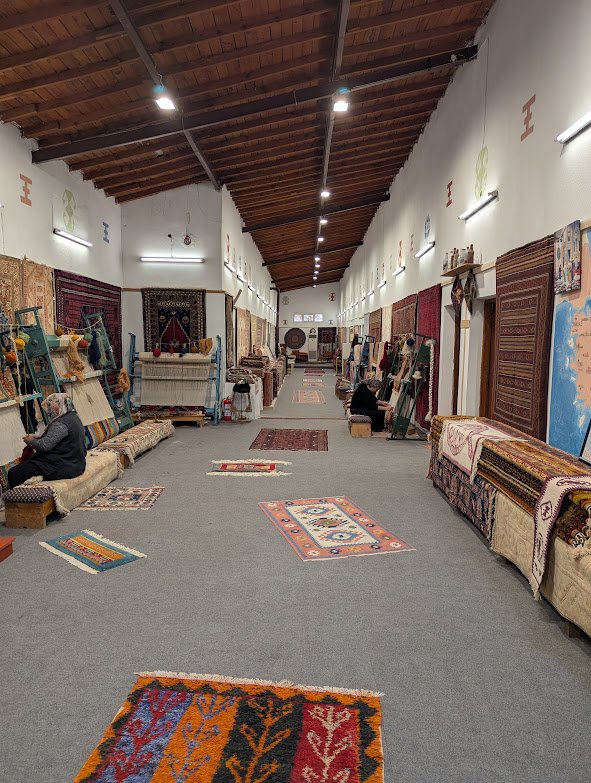
What You Will See There- Carpet weaving is a labor-intensive activity since most carpets require about two months of handiwork on looms to complete. The Desan Carpet Weavers Association maintains a large workshop, a warehouse, and a tea shop in Bergama. Because it is a cooperative, all the women members receive a stable salary and access to healthcare. After learning the art of carpet weaving at the facility, the women can work at home and share in the profits earned by the Cooperative from carpet sales. On the day my guide and I visited the cooperative, the director opened the facility for a few hours to tell us about their important work and demonstrate the key steps in carpet making. Unlike the commercial carpet shops tourists encounter in Istanbul or Kusadasi, the focus of this tour was on educating us about the work required to create a carpet and showing us, the skilled labor required for quality Turkish carpets.
The activities you can observe or participate in at the Cooperative are:
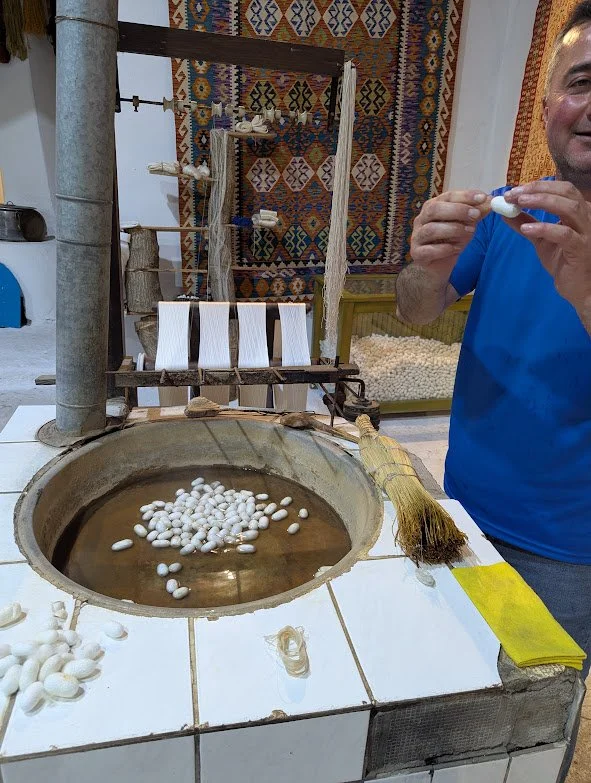
Silk Creation- One of the most interesting things to watch is the way that silk is collected from silkworm cocoons after placing them in large vats of boiling water. About 1,000 meters of silk can be extracted from a single cocoon by unraveling the silk by hand.
Observe Traditional Hand Knotting- Another thing you can see at the cooperative is the unique way in which the women use traditional double knots or symmetrical knots to create a durable and tight fit.
Turkish Style carpets- By seeing the materials used to create the carpets and then watching them constructed, you also learn the unique features of Turkish style carpets and how they are different from Persian carpets. Turkish carpets usually feature bold geometric patterns, motifs that derive from the traditions of specific regions, and symbols of nature and the animal world. Turkish colors are traditionally warm and striking. They include deep reds, terracotta, and saffron yellow. Turkish carpets have a heavy wool foundation which makes them great insulating material and resistant to dust.
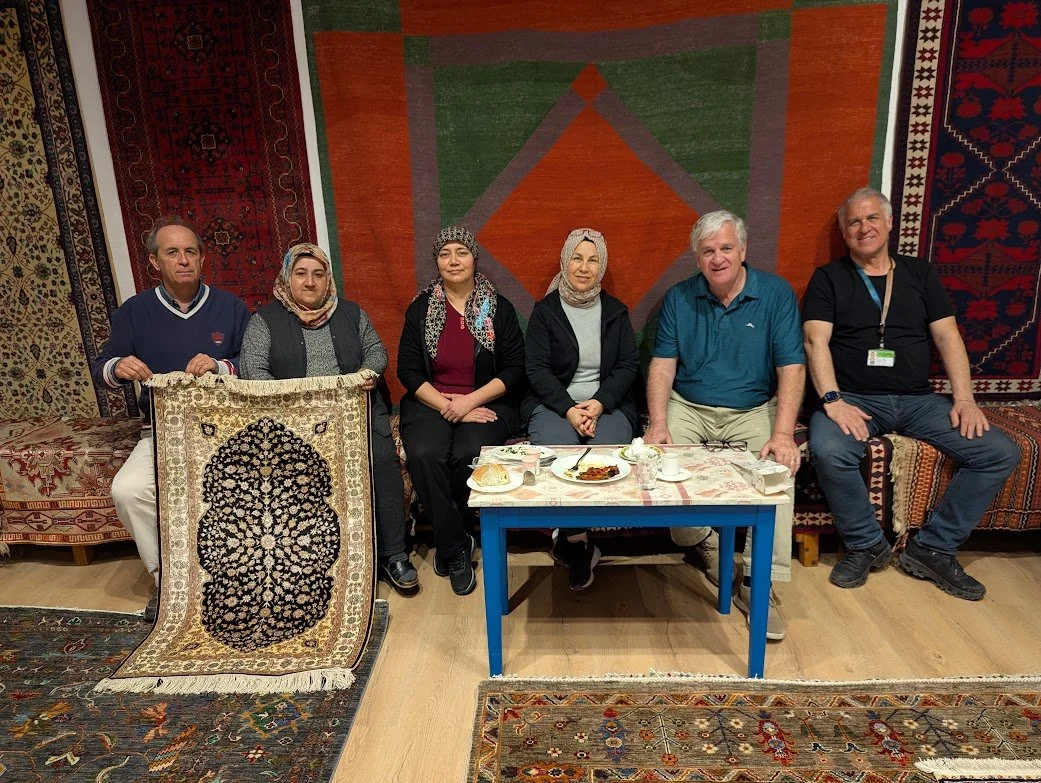
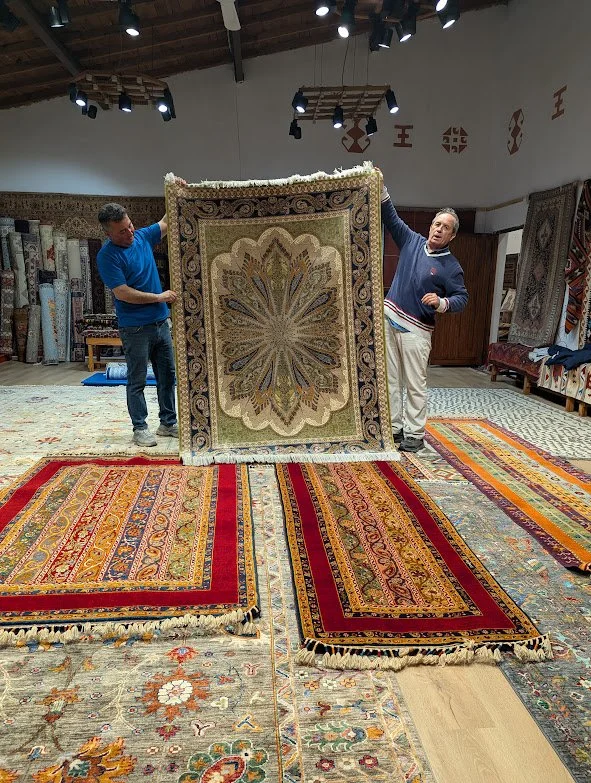
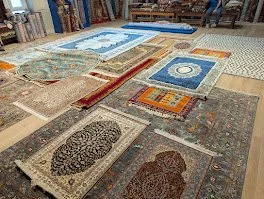
Enjoy Shopping and Tea- Consistent with local tradition, guests of the Cooperative will be invited into a showroom and served tea and snacks. Meanwhile, dozens of carpets of varied sizes and shapes will be laid out across the room for viewing. The Association is justifiably proud of their 100 percent organic carpets and silk rugs. Their rugs typically cost between $300 and $3,000 depending on the size and materials used. Small accent mats are popular for home use or wall hangings. Some bargaining is appropriate at these settings.
When to Go There- The facility and demonstrations provided by the Association are available year-round between 9:00 a.m. and 5:00 p.m. Many people visiting Pergamon or Izmir enjoy the pleasant weather of Bergama the most in late spring or early fall.
How to Get Here- The best way to reach the Association facility is to drive for about ninety minutes north on highway E87 from Izmir to the outskirts of Bergama. Or you can head south on route D240 road from the Bergama archeological area. Ephesus Tour Turkey, run by Neopolis Travel, can provide private capable driving and guide services to visit the ancient ruins at Ephesus, Pergamon, or the carpet association in Bergama.
Cost - There is no admissions charge to visit the association. The tour, demonstrations, and complementary beverages are provided without obligation to purchase anything or contribute to the Association.