
Tuscany's Rival Cities of Siena and Florence Helped Lead Europe's Architechtural and Cultural Renaissance
Italy attracts more than seventy million visitors annually to the country known for its history, food, culture, and friendly atmosphere. The beautiful region of Tuscany located in western part of central Italy ranks up with Rome and Venice as a popular destination because of its evocative landscapes full of villas, vineyards, farmland, and medieval hilltop towns. While some people enjoy sampling the wine country and village life on their trips, many others are drawn to the historic cities of the region where conflict over art, culture, politics, and religion created beautiful sites and fostered the renaissance that gave rise to modern Europe. The Tuscan cities of Siena and Florence were fierce rivals for supremacy in these fields and from the late 1100s to late 1500s they each enjoyed periods of dominance. A trip or short stay in each of these places will leave a lasting impression on experienced travelers and first-time visitors to Europe.
Siena’s Rise to Prominence in the 12th Century- Siena has an unusual geographic location. The city sits on top of three separate ridges separated by canyons which have been left in their natural state and turned into orchards. Like many cities from the Middle Ages, Siena had walls surrounding the city center with gates allowing visitors to pass in or out in the direction of Rome, Florence, or Grosseto. This landscape plus the presence of several important underground springs caused the city to build cobblestone streets, public fountains, and tall houses on narrow streets clinging to the hillside. The city was originally a Roman colony and was later ruled by the Longobards and the Franks before falling under the control of clergy bishops in the 11th century. This led to the development of a secular government headed by noblemen in 1150 and eventually a Council of Nine that remained in power until 1355.
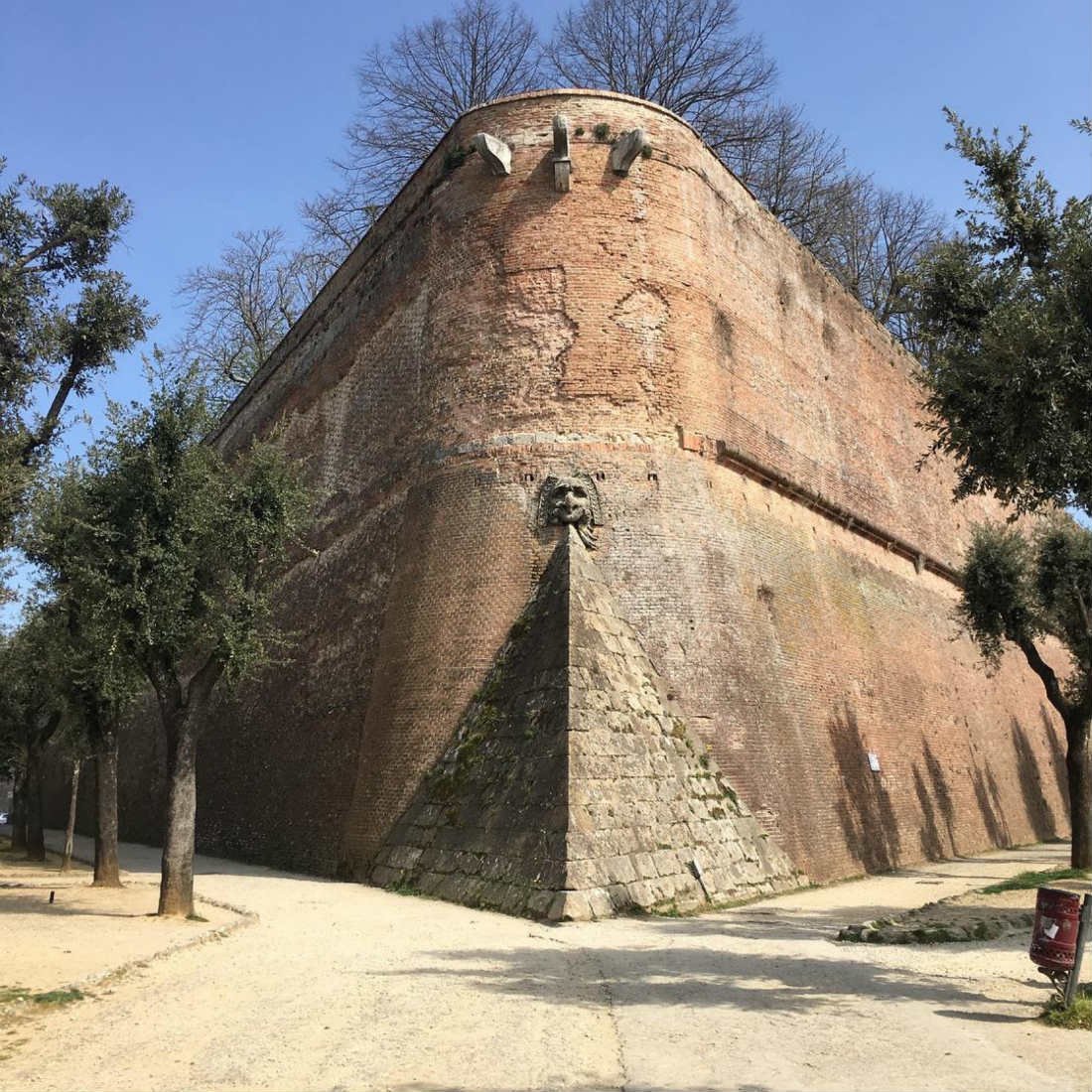
During these two hundred years, Siena had a strong economic base, opposed the papacy, and expanded its territory to dominate the region. This expansion included defeating the rival Florentines after a huge battle at Montaperti in 1260. Throughout this period, many beautiful public and private buildings such as the Town Hall, the Piazza Del Campo, the Duomo Cathedral, towers, and noble residences were built. Sienese architecture evolved from Romanesque to primarily Gothic designs. Development of the city center continued throughout the 1400s but slowly and methodically Siena declined from a variety of causes. These included internal feuds among rival lords, effects of the Black Death plague, excommunication of the city by the Pope, and the interference of the Spanish crown in the Italian peninsula. By 1555, a siege of the city led by the Duchy of Florence and the Holy Roman Emperor destroyed much of the surrounding countryside, and immediately the population collapsed and leaders were exiled. The Fortezza Medicea military fort with a distinctive quadrangular design and bastions was constructed in subsequent years to remind the residents of the Medici family’s power over the city.
Sites and Experiences to Enjoy in Siena- There are many interesting sites to see in Siena, but these are some of the most impressive:
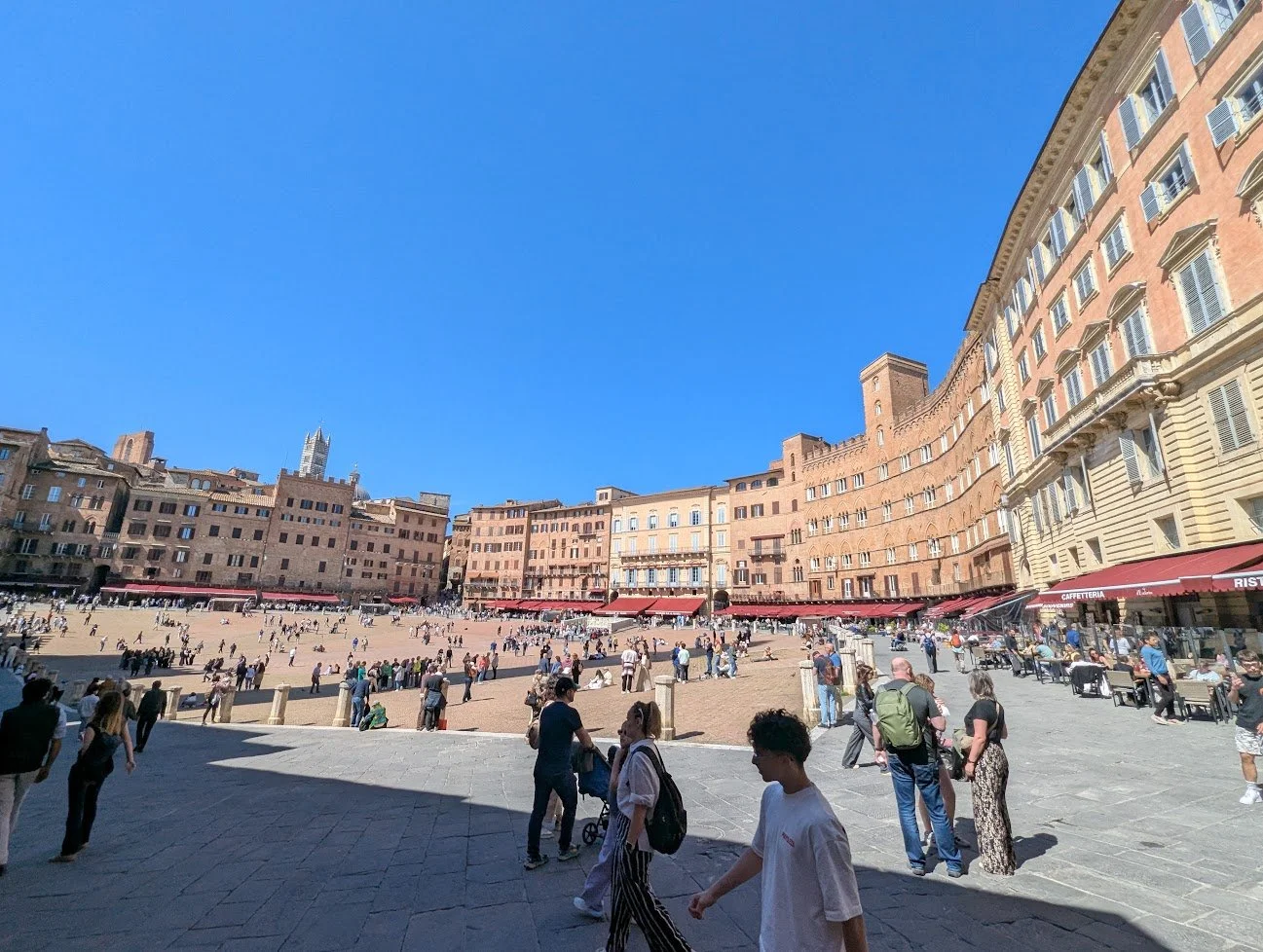
Piazza Del Campo – This is a grand civic plaza that was built in the center of town at the site of the town’s former marketplace. The semicircular plaza is surrounded on all four sides by other grand buildings, but it is the open space itself shaped like a grand fan that commands instant attention. Conceived by the City’s Council of Nine in 1327 and completed in 1349, the red bricks of the plaza slope inward to the center and are divided into nine sections by strips of white stone. Walking around the Piazza seems similar to a modern track. Each lap around is .21 of a mile or about 4.7 laps to a mile. Most people reach the Piazza by walking slightly downhill or uphill from the surrounding streets but however you enter the area, the sight is a memorable one.
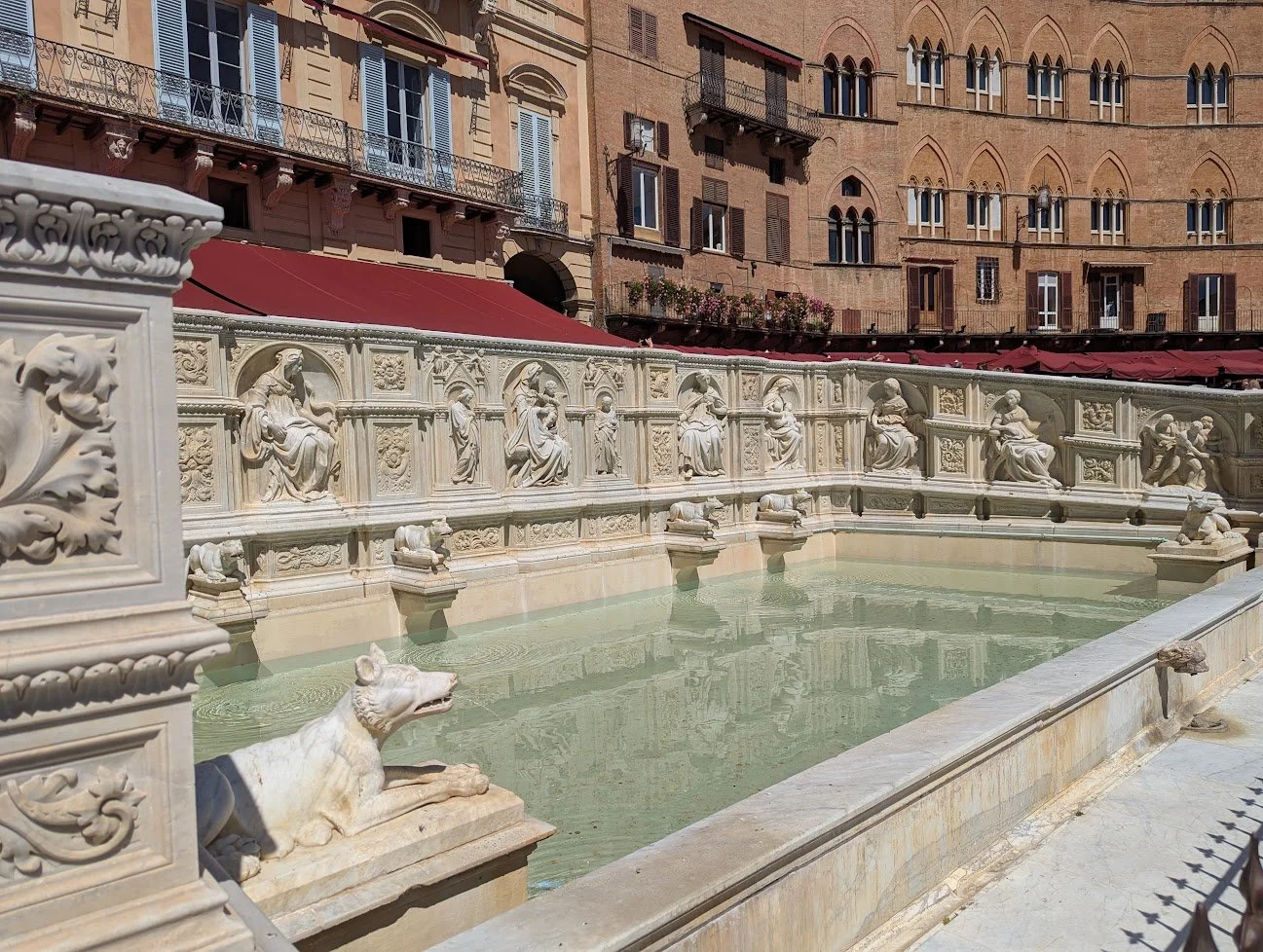
The Palio Horse Race- Adding to the breathtaking experience of viewing the Piazza Del Campo is the opportunity to visualize the Palio di Siena horse race which takes place twice each summer in front of thousands of spectators crowded in the middle or watching from the surrounding buildings. Ever since 1656, riders representing ten of the seventeen districts of the city ride bareback for about 90 seconds around the Piazza seeking the honor of winning a silk banner. Race week is filled with pageantry, costumes, parades, and all kinds of festivities. Each district has a special name such as the She-Wolf District, the Dragon District, or the Sovereign Porcupine District, and supporters proudly wave their flags. When the race is not held the areas surrounding the track are filled with cafes offering meals and refreshments throughout the day.
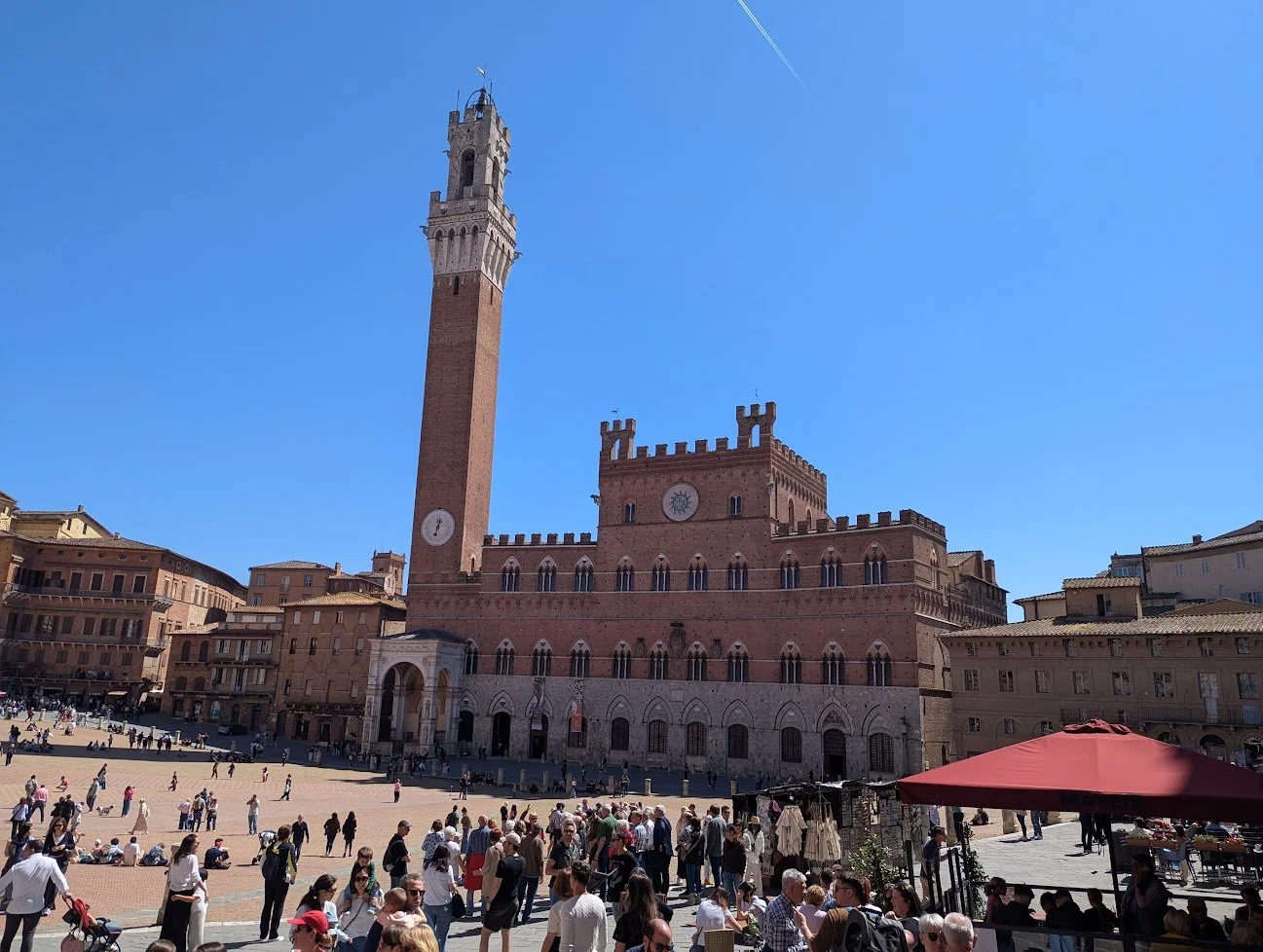
Town Hall and Torre del Mangia- The Town Hall of Siena was built in the late 1200s as a place for conducting the affairs of state. It includes the Great Council Hall and still serves as a municipal office. The Gothic style of the exterior is known for its fine marble and elegant windows. More impressive is the huge tower and clock that rises from the south side of the building to a height of three hundred feet. Topped by a huge bell, visitors who climb the four hundred narrow steps will see tremendous views of the Piazza, the city, and the countryside.
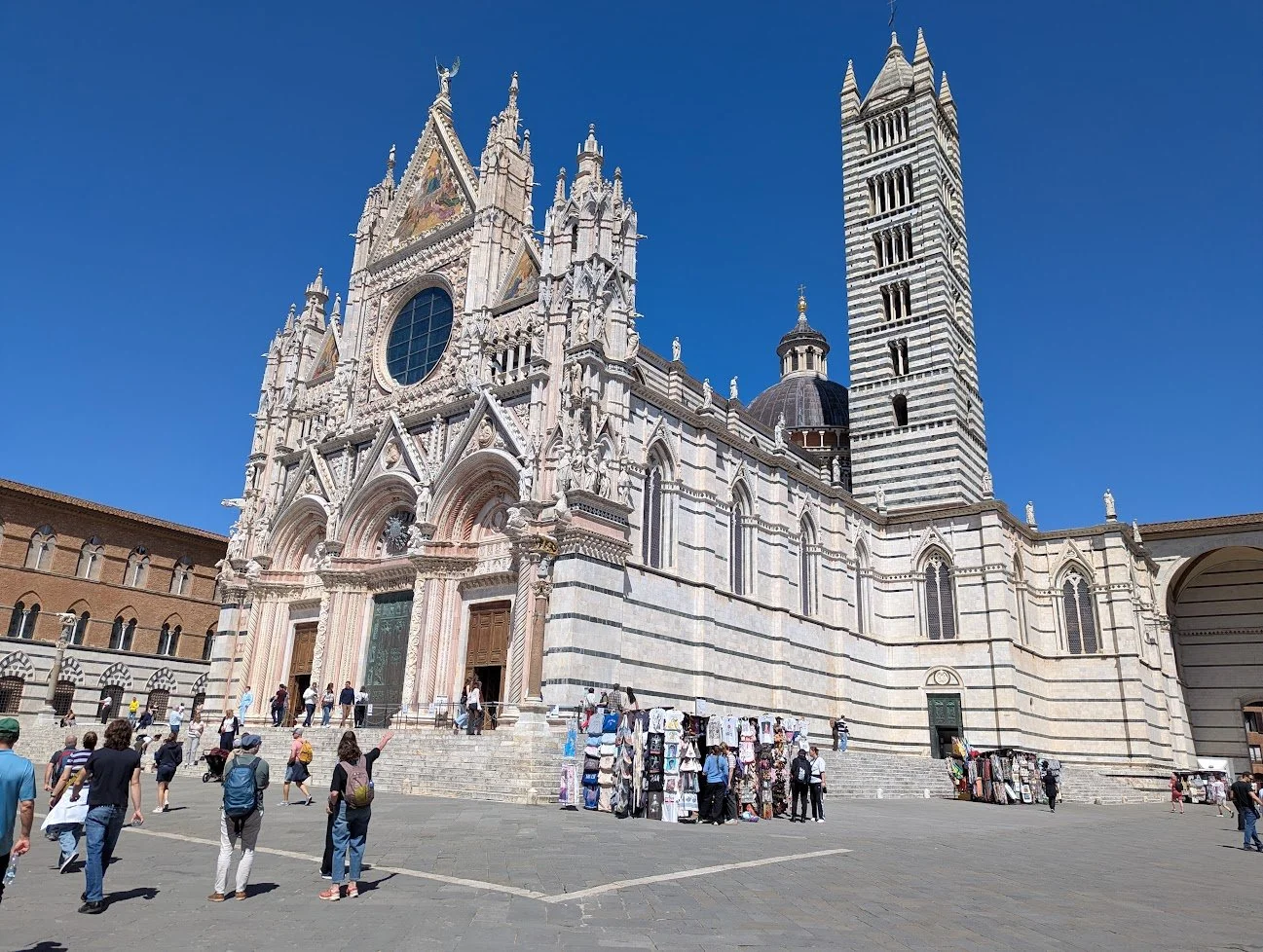
Duomo Cathedral- The Duomo of Siena is one of the grandest cathedrals in Europe. Like many others, it was built in phases over 250 years with the last major changes taking place in 1382. The exterior façade is mostly white marble with contrasting pink and green stones. While the lower sections of the façade are Romanesque, the upper sections have Gothic features. The interior of the cathedral has brightly colored marble flooring, large striped archways, and sculptures from talented artists of the period.
Florence Used Banking, Political Skill, and Cultural Attractions to Rise to Power - The rise of Florence as the preeminent power on the Italian peninsula in the 15th century and as a respected European center of arts and culture during the Renaissance would have surprised observers in the late Middle Ages. During the 12th and 13th centuries, the Maritime Republics of Genoa, Venice, Pisa, and Amalfi used their fleets of ships to dominate trade, mount military campaigns like the Crusades, and cultivate powerful relationships with church authorities. Meanwhile, Florence took its own path and emerged from the Dark Ages as an independent city state. By the 13th century it had an active trading presence in textiles and wool, powerful guilds, a banking sector, and connections to religious authorities in Rome. Meanwhile, the city had a culture that encouraged economic innovation, literature, and the arts. This enabled it to build important infrastructure and attract intellectuals and wealthy citizens to invest and participate in civic life. After surviving local controversies and warring neighbors, competition among the ruling families of the city produced the emergence of the Medici clan as the financial and political leaders of Florence. By collaborating with other great men of the era such as Michelangelo and Leonardo DaVinci, the Medicis and Florence came to dominate the political, religious, and economic affairs of the region for centuries, leaving Siena and even Rome behind. Eventually, Florence and the rest of Italy became subject to foreign domination in the 1700s until the Republic of Italy was founded in 1860 with Florence as its new capital.
Sites and Experiences to Enjoy in Florence- There are many interesting sites to see in Florence, but these are some of the most impressive:
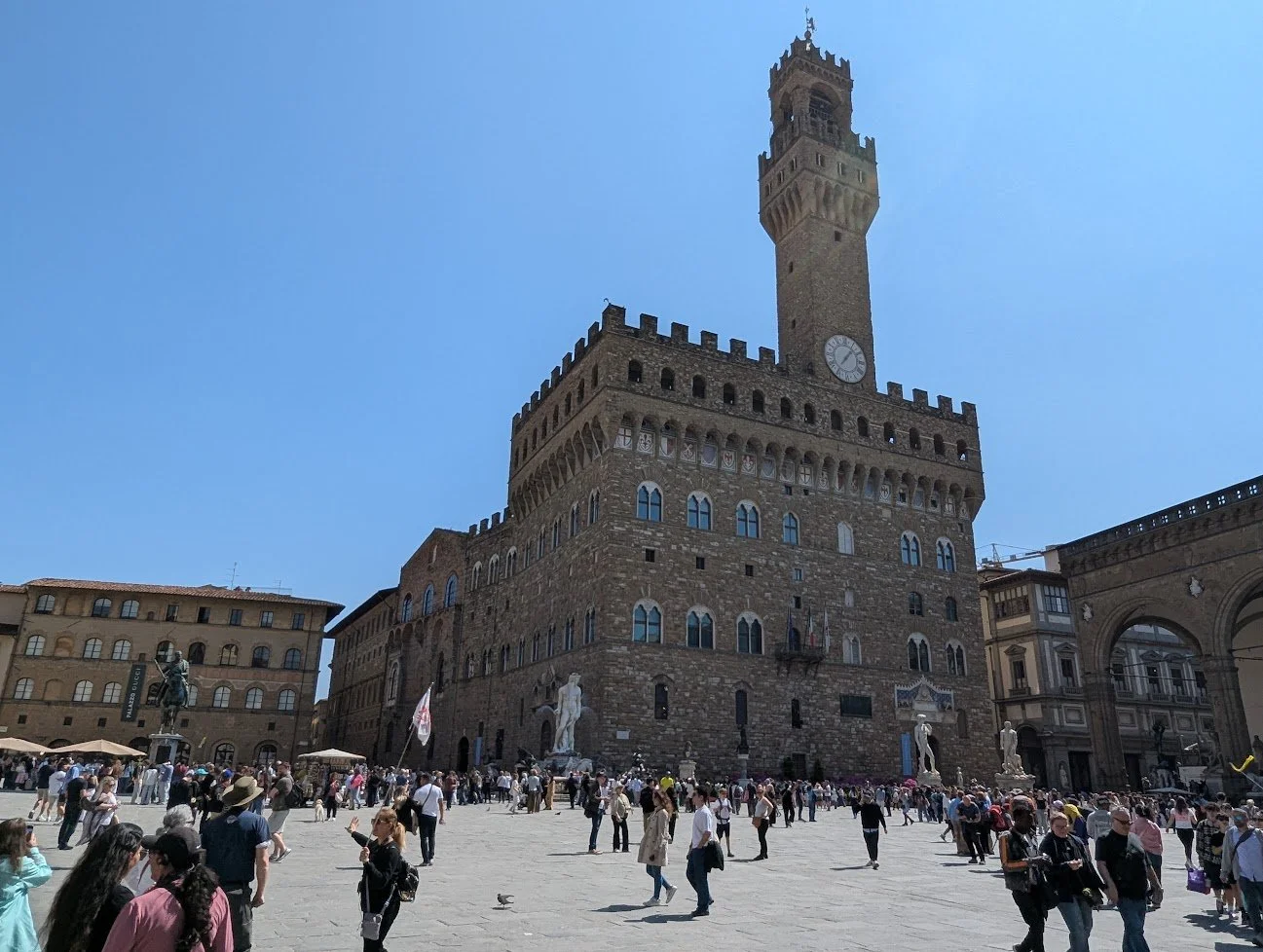
Palazzo Vecchio- This large building in the center of the city was originally built in the early 1300s as a fortress and a palace for the ruling Priors. Modified numerous times in subsequent centuries, the building has two features which have endured. One is the Tower of Arnolfo located slightly to the right side of the building which rises 308 feet above the piazza. Another is the frescoes located on all four sides of the building showing the coat of arms of the nine leading communes of the city.
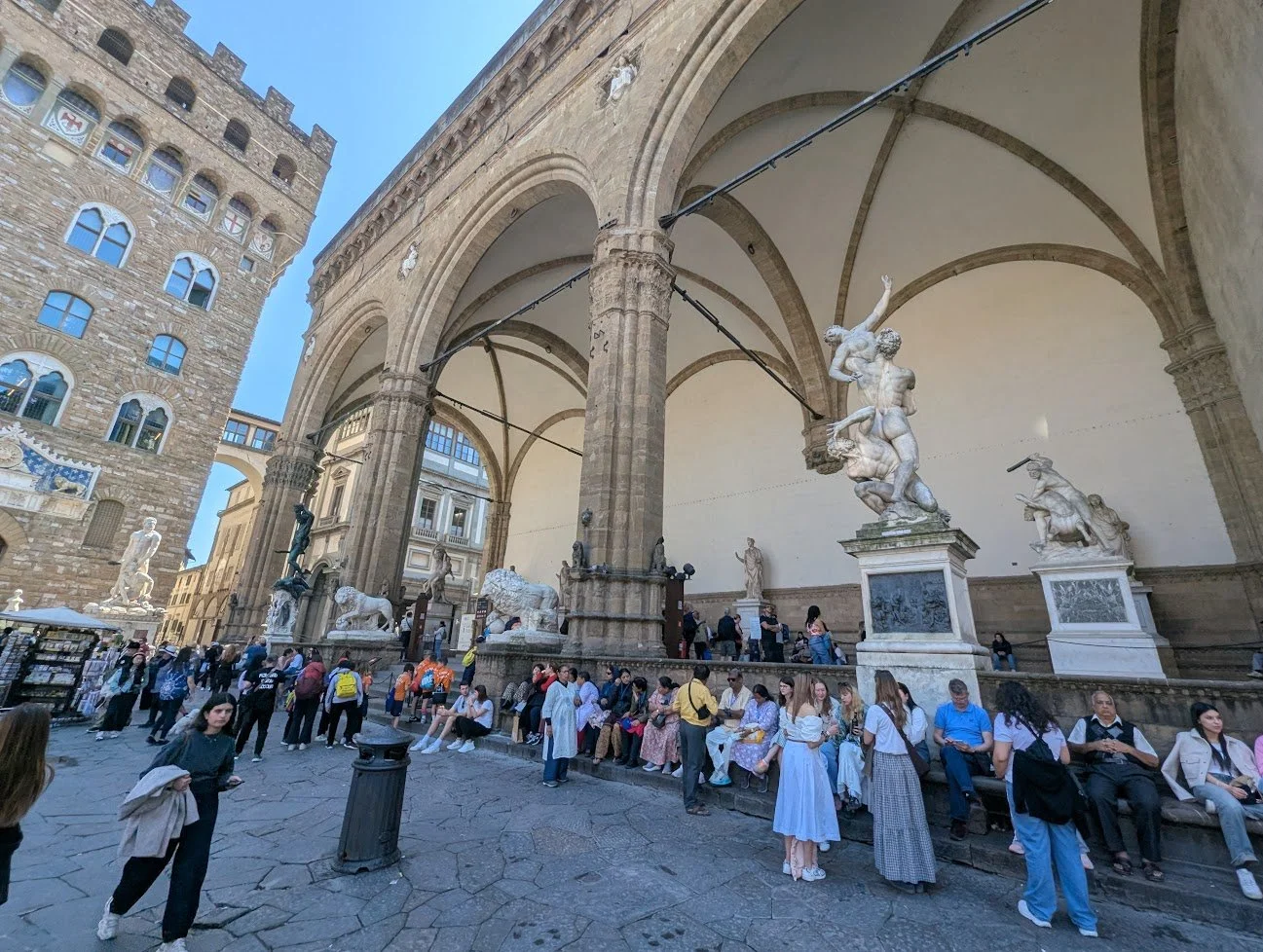
Piazza Della Signoria- The large town square of the Piazza Della Signoria has been a gathering place for residents and visitors ever since the 14th century. In addition to the Palazzo Vecchio Town Hall and several old palaces, the square has a covered portico known as the Loggia del Lanzi with marble sculptures commemorating important city events and a huge fountain depicting the Sea God Neptune on a chariot drawn by sea horses.
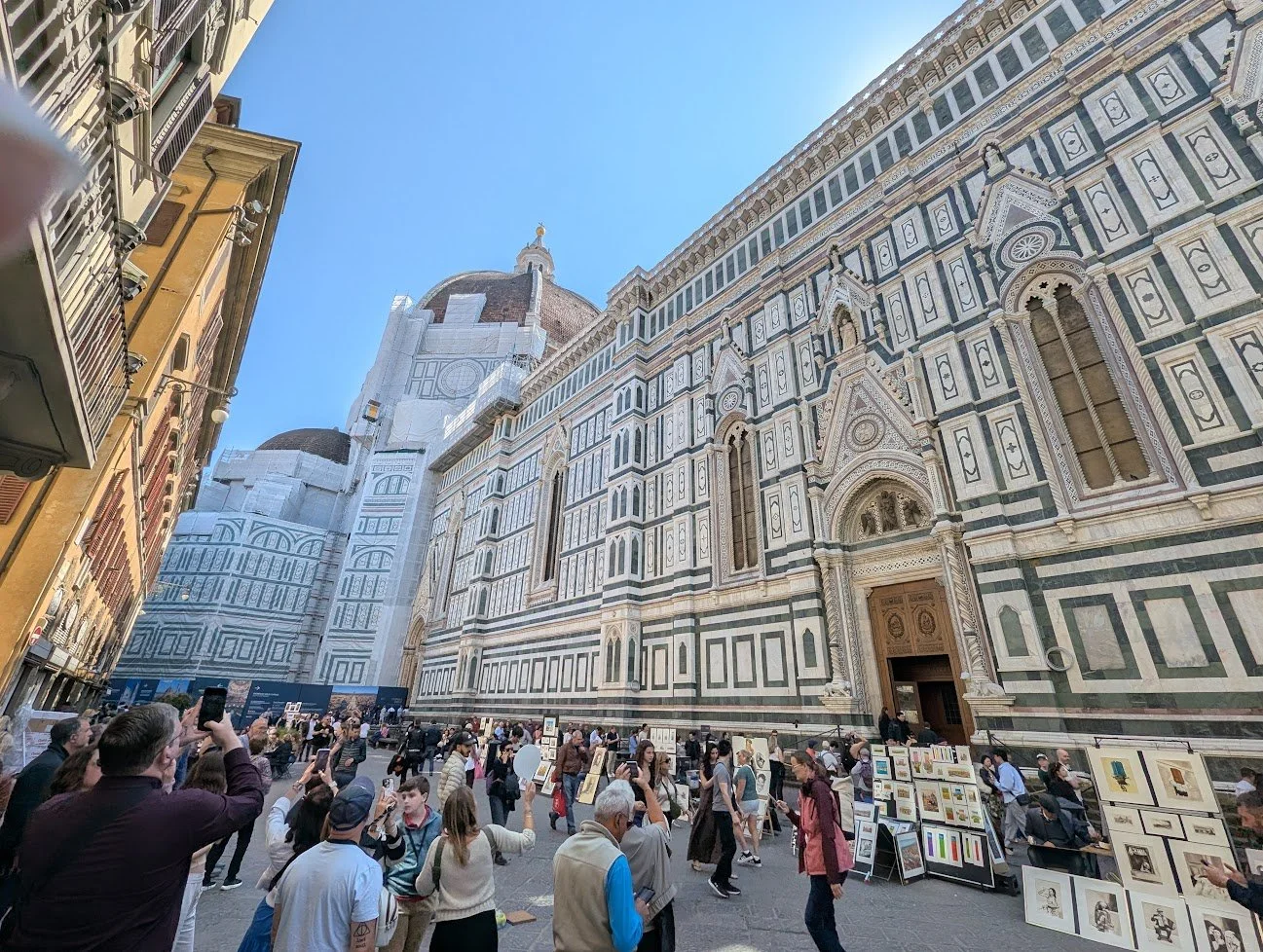
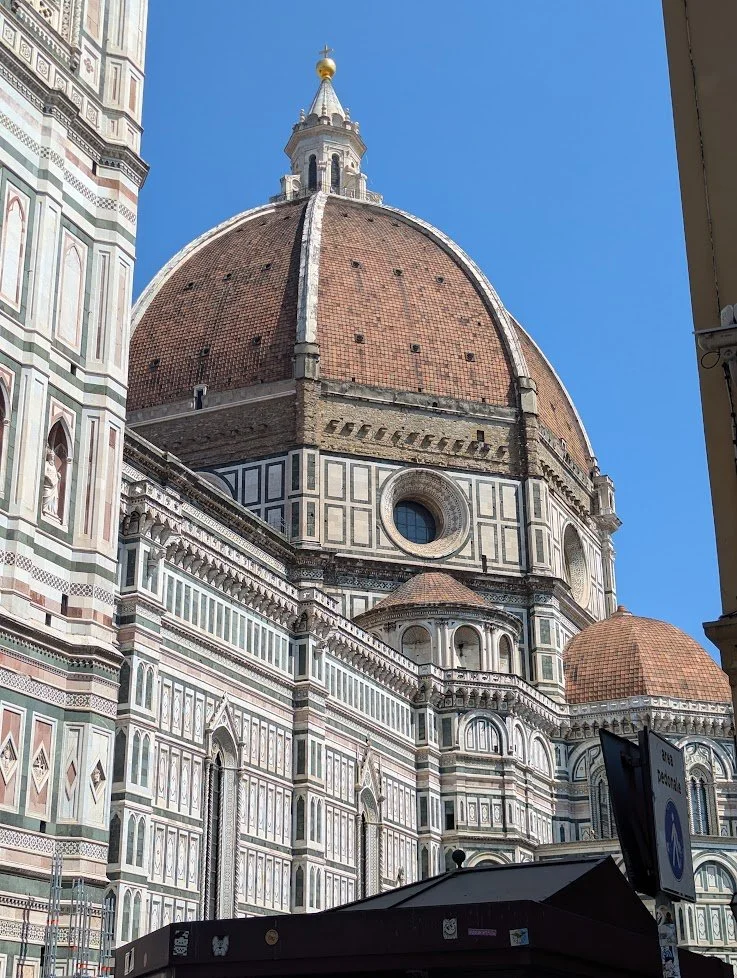
Duomo - For many people visiting Florence, the highlight of their visit is to see the Duomo, also known as Santa Maria del Fiore. This grand cathedral is the fourth largest church in Europe and holds up to 20,000 people. Ever since the foundation stone was placed in 1296 and the church was consecrated in 1434, the structure has been the most revered site in the city. Some noteworthy things about the Duomo from an architectural or artistic perspective include the following. First, the exterior marble of the facade and the bell tower are covered in the beautiful marble colors of Carrara white, Prato green, and Maremma pink. Second, the Dome designed by Brunelleschi is considered a masterpiece because it was built without scaffolding by using ribbing consisting of tie beams and red bricks set in a herringbone patterns. It took sixteen years to build the dome, and the interior was covered with frescoes by renowned artists. A limited number of tickets are sold well in advance to climb to the top of the dome and see views of the city. Third, the interior of the Duomo is known for its austere and Gothic layout created by the huge pillars within, the inlaid marble floor, stained glass windows, and statues of various patriarchs and prominent figures from Florentine history and the Renaissance.
Baptistry- The Bapistry of San Giovanni located opposite the Duomo dates to the fourth century AD. Many famous Florentines were baptized into the faith there. It is known for the ornate bronze doors installed in 1425 on the outside and especially the ten panels known as the Gates of Paradise which depict various stories from the Old Testament. Equally impressive are the mosaics of the interior spaces filled with scenes from the life of John the Baptist.
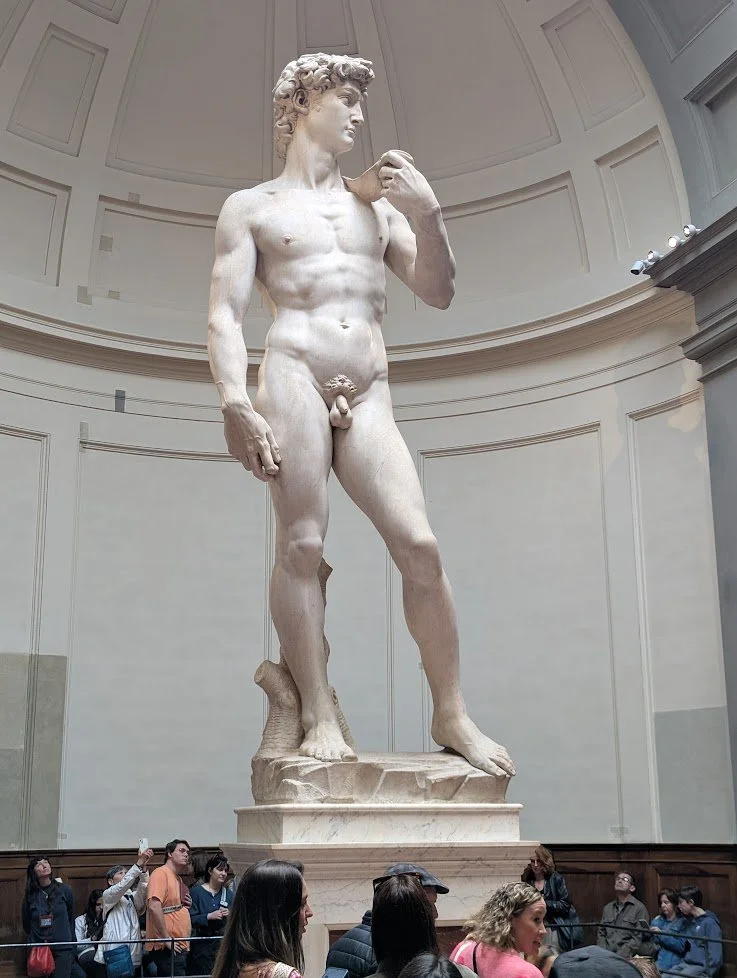
Galleria Dell Accademia- Florence has some of the world’s leading art galleries. Many people start with a visit to the Galleria Dell Accademia where spectacular sculptures and works of art by leading masters were assembled in 1784 for students to study and copy. These include the original nude statue of Michelangelo’s David which stands seventeen feet tall and shows him preparing to fight Goliath as described in the Bible. Other works there include various unfinished Michelangelo sculptures and important paintings by Florentine artists.
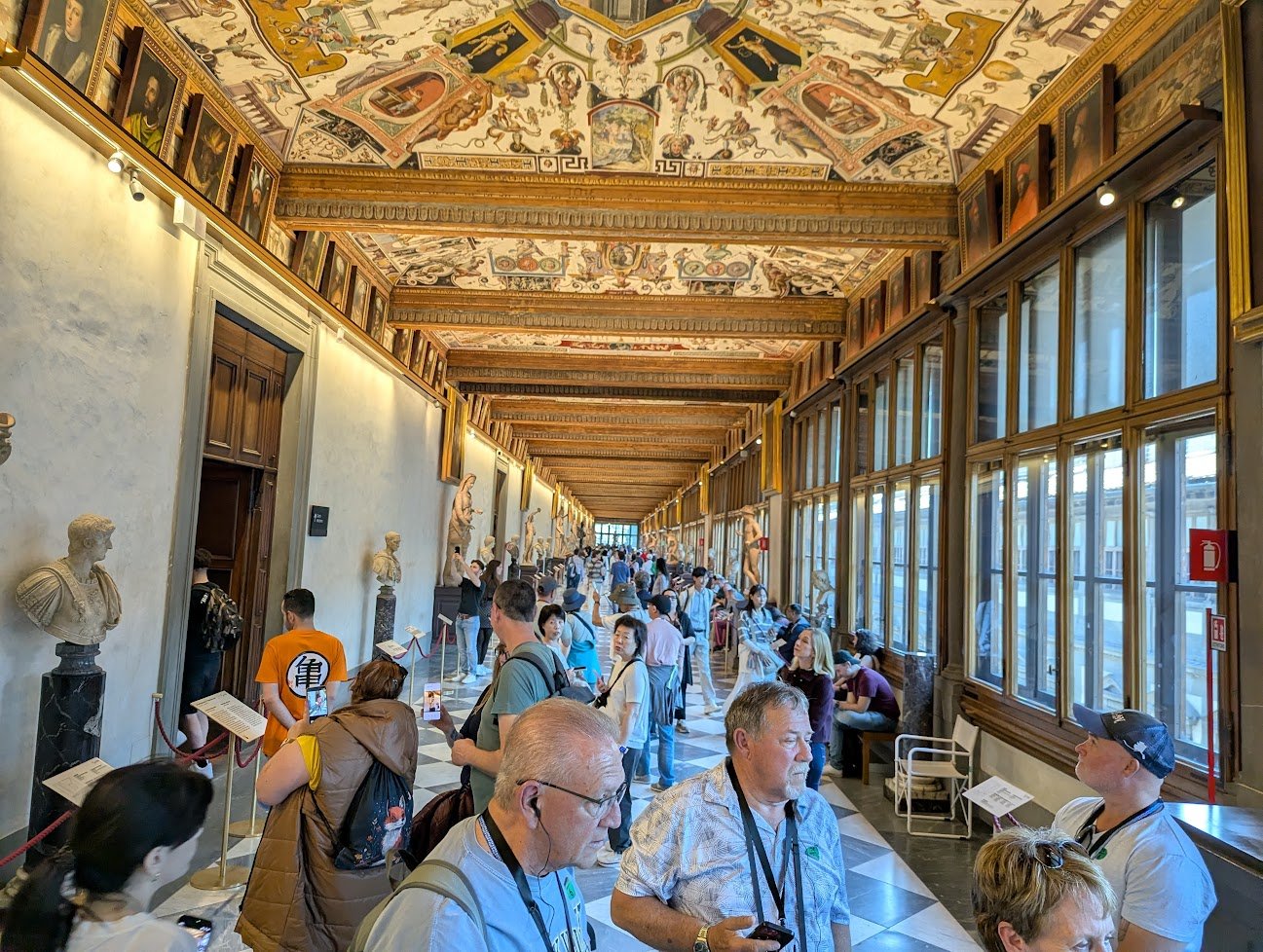
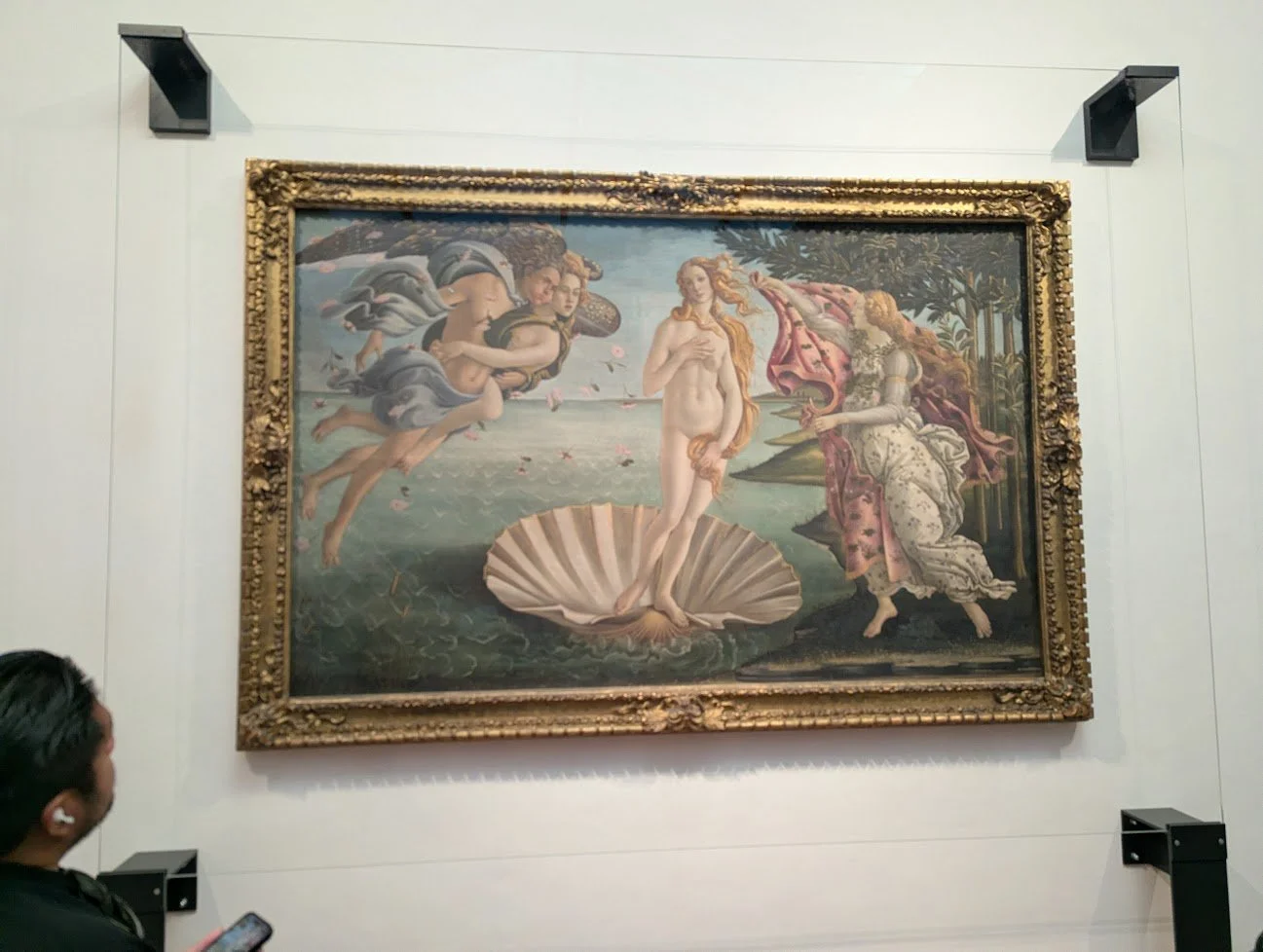
Gallery of Uffizi – The nearby Gallery of Uffizi presents hundreds of painting and sculptures from different periods of history. These include Greek and Roman sculptures and busts from antiquity collected by the Medici family, as well as works of Gothic Art, Early Renaissance, High Renaissance, and later paintings. By hanging the works in a chronological order, it is easy to see the development of distinctive styles or locate specific items of interest. One of the most popular works displayed there is Botticelli’s “Birth of Venus.” There are also some excellent locations in the Uffizi to view the river and the Ponte Vecchio.
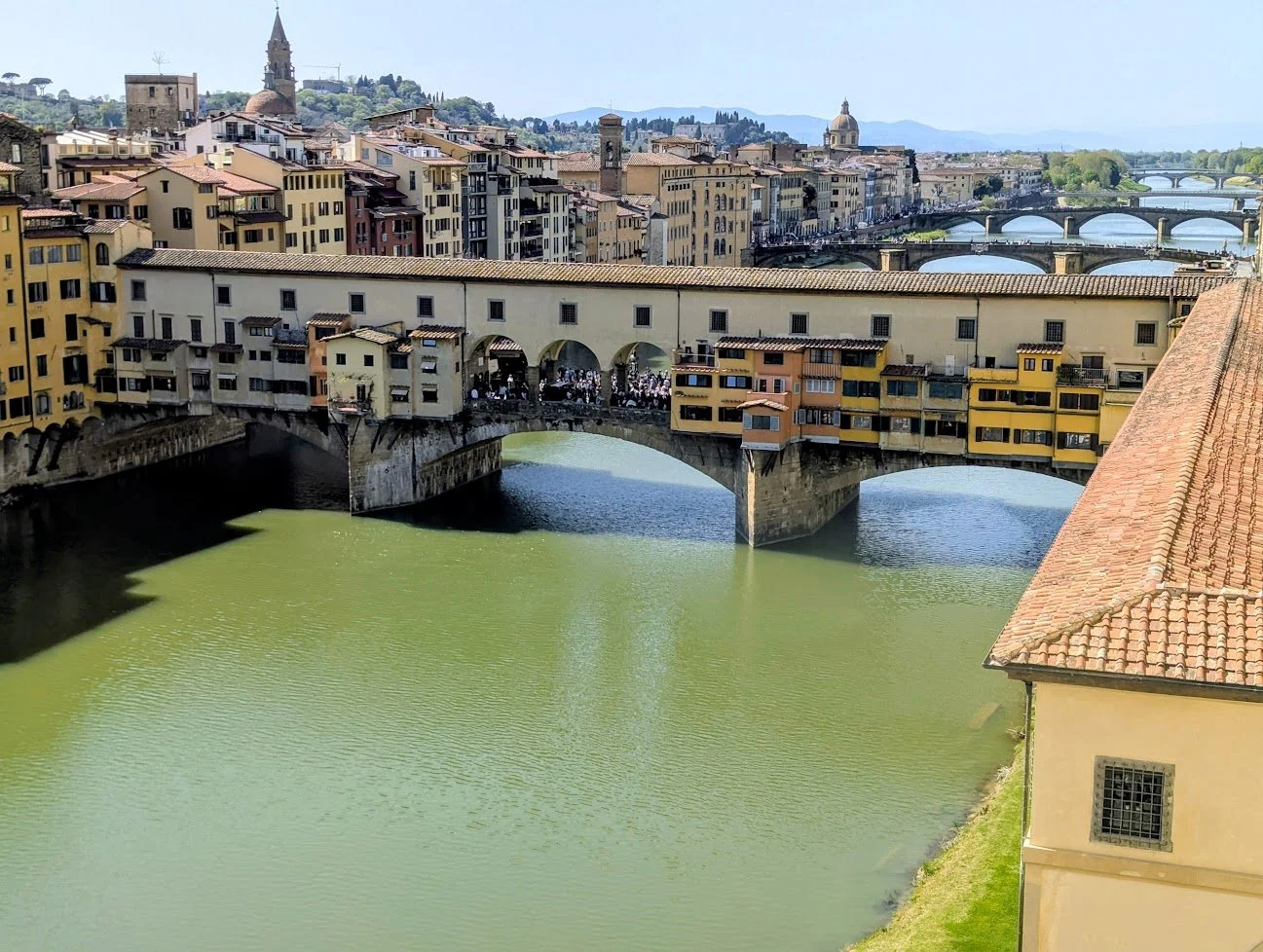
Ponte Vecchio – This simple pedestrian bridge across the River Arno, often viewed from the adjoining banks, had its origins during Roman times. After surviving floods, wars, and economic crises, the bright yellow Ponte Vecchio is often depicted as a symbol of the City’s resilience and grandeur. Once occupied by tanners and blacksmiths, the bridge was handed over to merchants and jewelers in the late 1500s. An elevated corridor was built on top of the shops to allow the nobility to pass across the river without public exposure. Today, the shops on the bridge are dedicated to selling expensive watches along with gold, silver, and gemstone products preserving the tradition of prior centuries.
Other Activities- The experience of visiting Florence can be overwhelming if you try to cram too many sites and attractions into a one-or two-day visit. Most of the historic buildings and treasured art museums are in the city center where vehicle access is limited so be prepared to walk. Decide your priorities and then leave time for enjoying some Tuscan food specialties at dinner or lunch, shopping at designer stores on the Via Tornabuoni, or relaxing with nature at the Boboli Gardens. Other places frequently mentioned by visitors as worthwhile include the Palazzo Pitti, the former residence of the Medici family and location of many of the family’s private collections, and Museo Galileo where the scientist’s instruments and discoveries are displayed.