
San Gimignano's Towers and Medieval Prominance Attract Visitors to its Scenic Hilltop - Italy
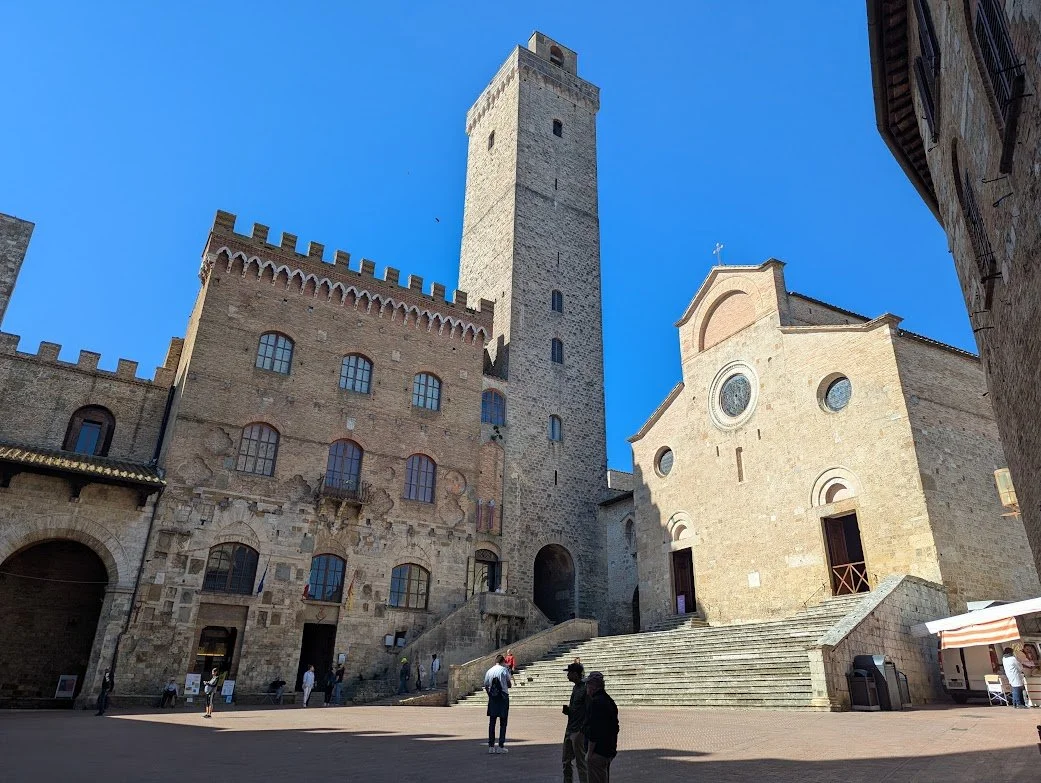
What Is It? - Travelers visiting central Italy often enjoy the small hilltop town of San Gimignano located in Tuscany. The majestic towers and enduring character of the town have been carefully preserved and enhanced with dining, shopping, and art gallery establishments. This unique combination has allowed San Gimignano to receive World Heritage Site designation and attract over three million visitors annually. Although the entire community of 4,000 residents now relies on tourism, wineries, and agriculture, it was once a powerful medieval city full of feudal lords, merchants and church authorities that controlled the economy and politics of the region.
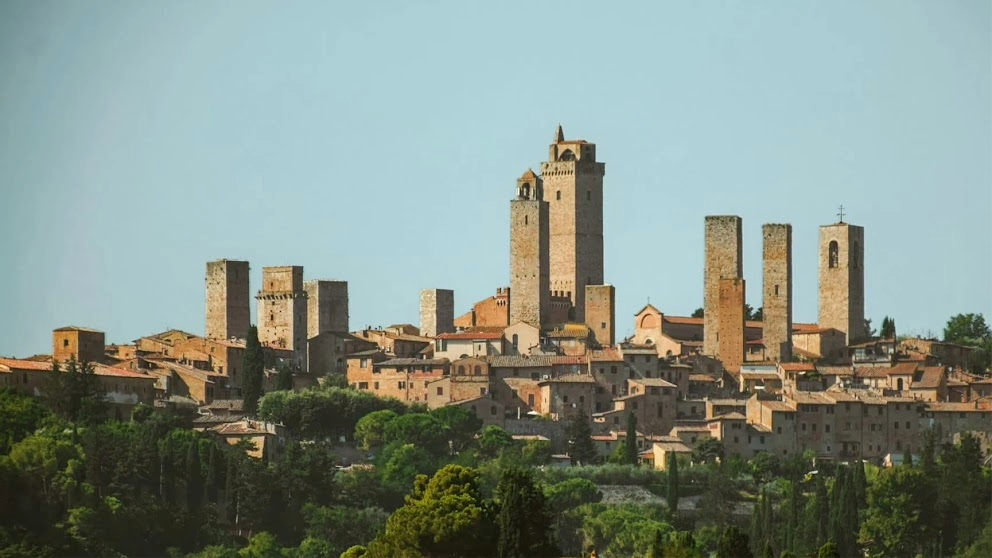
San Gimignano was an Etruscan hill settlement that relied on the fertile soil of the Elsa Valley for sustenance. The Roman empire controlled it for centuries beginning around 100 AD and called the town Silvia. After a local bishop saved the town from the fury of the Goths in 556 AD, the name of the city was changed to San Geminiano to match the local church name and later to San Gimignano. During the early Middle Ages, the town was located on a prominent trade route and pilgrimage road known as the Via Francigena that led to Rome and the Vatican. Over time, many feudal lords in the region left their country estates and moved into buildings within the town walls. They built towers as a symbol of their power in the region and invested in business there. By the early 1300s, San Gimignano had entered a golden age. Poets and artists flocked to the area, the town walls were extended to include local suburbs, and seventy-two towers were constructed - one for each wealthy family and the local commune. Military and economic success followed as rival cities such as Semi Fonte and Volterra were contained, and local merchants sold wine and saffron throughout the Mediterranean.
Fortune did not favor the city thereafter. The plague hit the region in 1348 AD killing an estimated 9,000 of the town’s 13,000 people and cutting off most of the trade, agricultural products, and pilgrimages that supported the city. The population drop and famine led to violence and division. By 1353 AD, San Gimignano had lost its political independence and became subject to the control of Florence like the rest of Tuscany. Painters and artists continued to work in San Gimignano for a while but by the 1500s, many of the grand towers of the town had toppled over or been used as building materials. Ironically, it was this series of economic setbacks that saved the medieval skyline and some of the town’s towers from being replaced or rebuilt during the Renaissance or in recent times.
Things You Will See and Do There- There is no shortage of interesting things to do in San Gimignano such as the following:
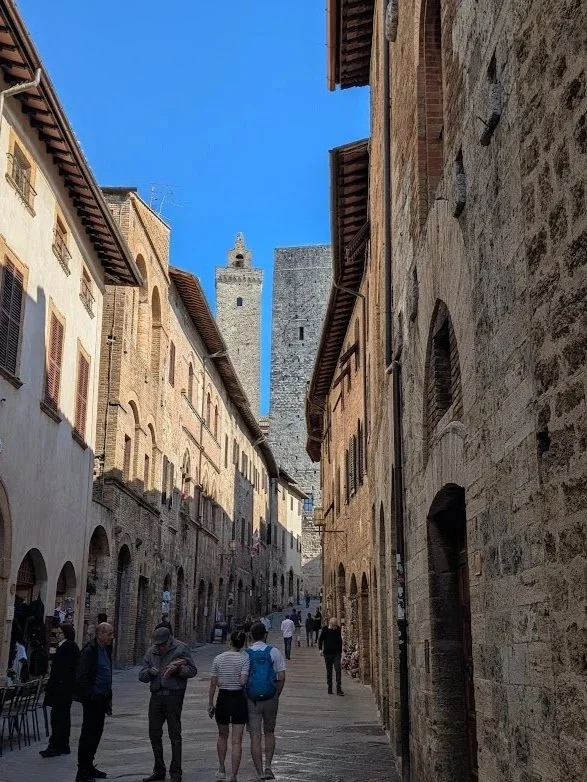
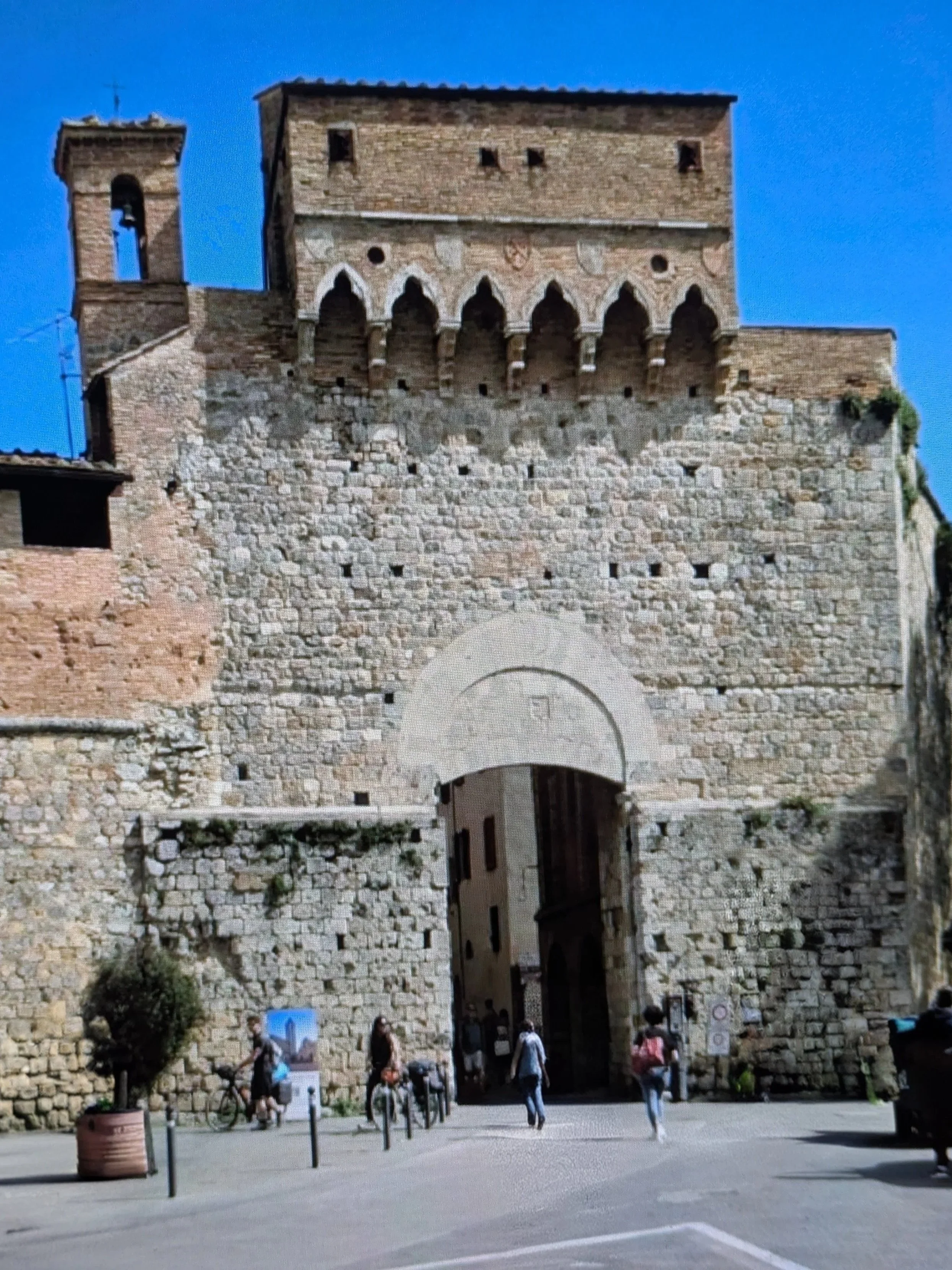
Enter the Town by the Porta San Giovanni and Walk up the Via San Giovanni- The most convenient place to begin a tour of San Gimignano is to enter at the Porto Giovanni or St. John’s Gate which allows access through the 13th century town walls to the center of the city. This imposing gate has a wide archway which opens beneath a fifty-foot-high brick battlement topped by coats of arms and a recessed bell tower for a small church. The gate leads you onto the Via San Giovanni which proceeds slightly uphill along medieval buildings filled with shops selling local products, wines, and souvenirs.
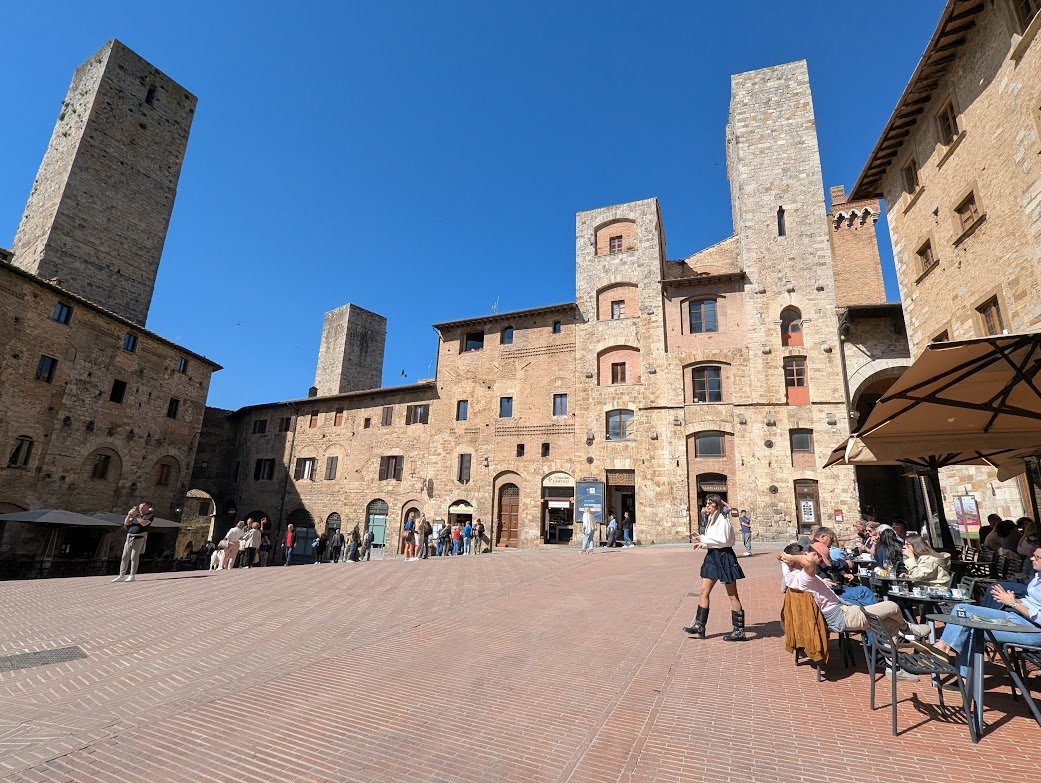
Rest at Piazza Dello Cistern – The heart of the city is Piazza Dello Cistern where a 13th century cistern provided water to residents and travelers a place to rest after entering the city.
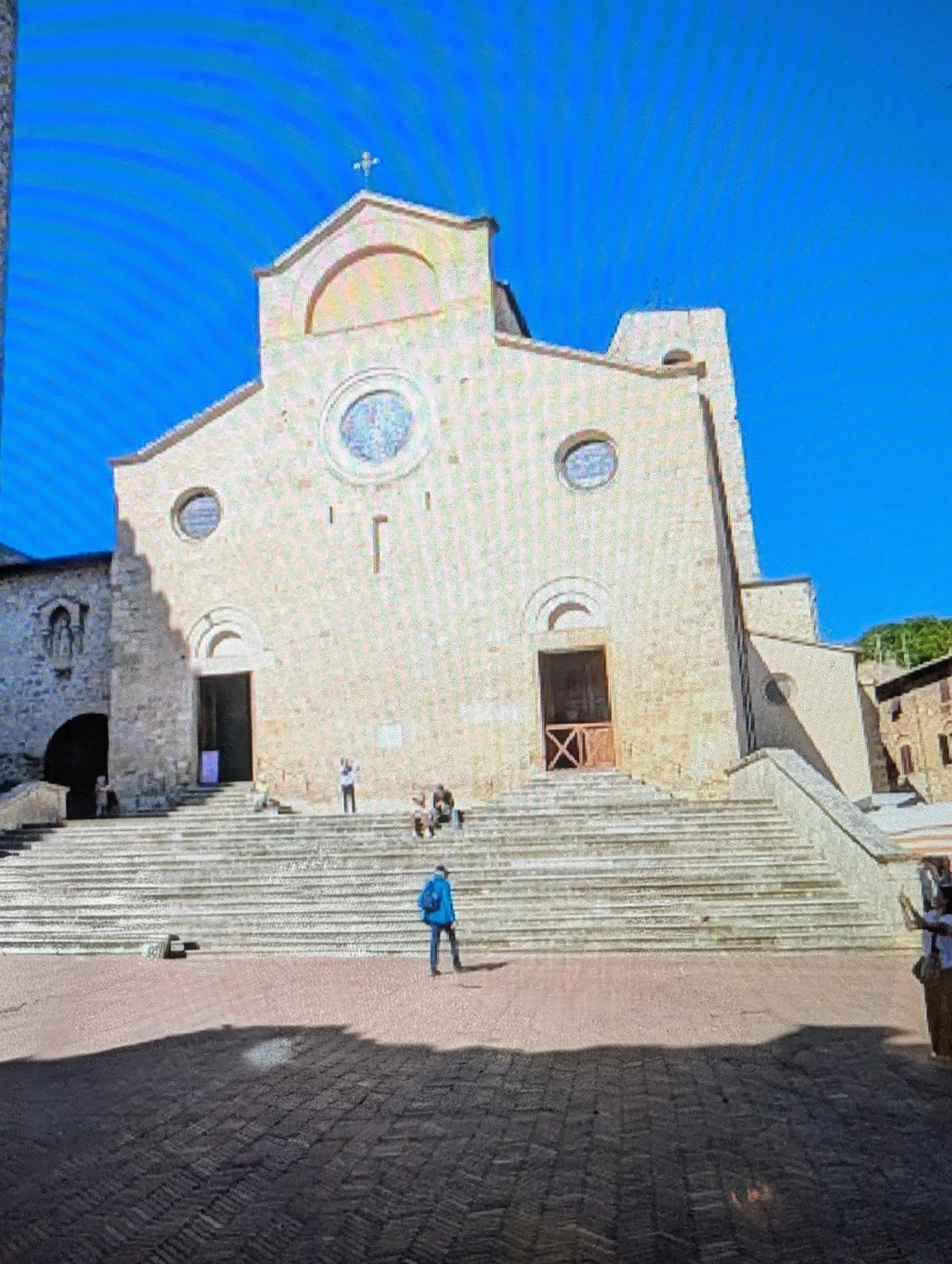
Visit the Cathedral- A few steps away from the Cistern is the large Piazza del Domo which tends to be the meeting place for tour groups visiting the city as well as a pleasant location to visit a café or sit on the steps of the cathedral to contemplate the sites of the town. The cathedral was consecrated in 1148 AD. It is revered for the dozens of colorful frescoes in the interior showing momentous events and people from the Old Testament and the New Testament of the Bible.
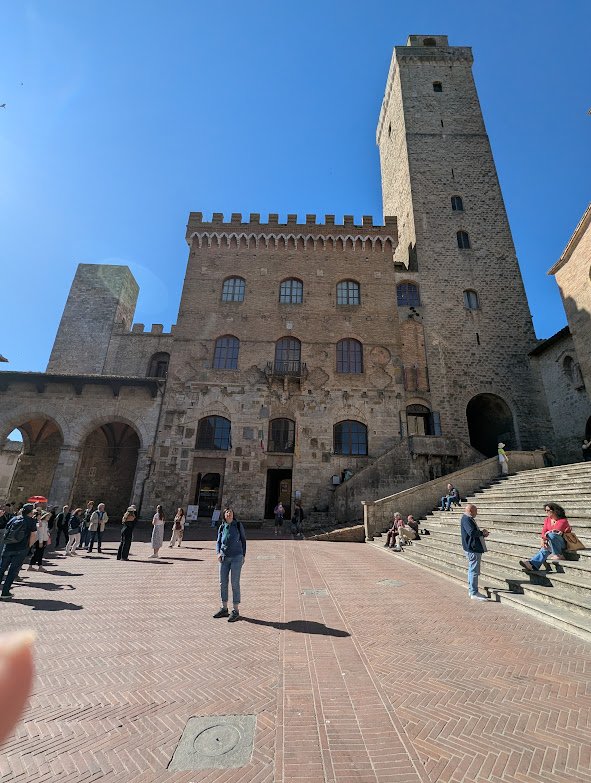
Visit the Civic Museum - Another complex located on the Piazza del Domo is the Palazzo Comunale or Civic Museum that houses the original town hall of the city and displays the coats of city mayors in the courtyard. On the upper floors of the building, the works of many renowned artists collected by wealthy patrons of the city are on display.
Sample a Local Winery or Visit the Wine Experience Consortium- The rolling hills around San Gimignano are covered in vineyards. There are dozens of excellent wineries nearby which provide premium wine tours, family farm picnics, and tasting sessions. In the town, the official wine consortium offers samples of local labels at a shop located on the city walls called Vernaccia di San Gimignano Wine Experience.
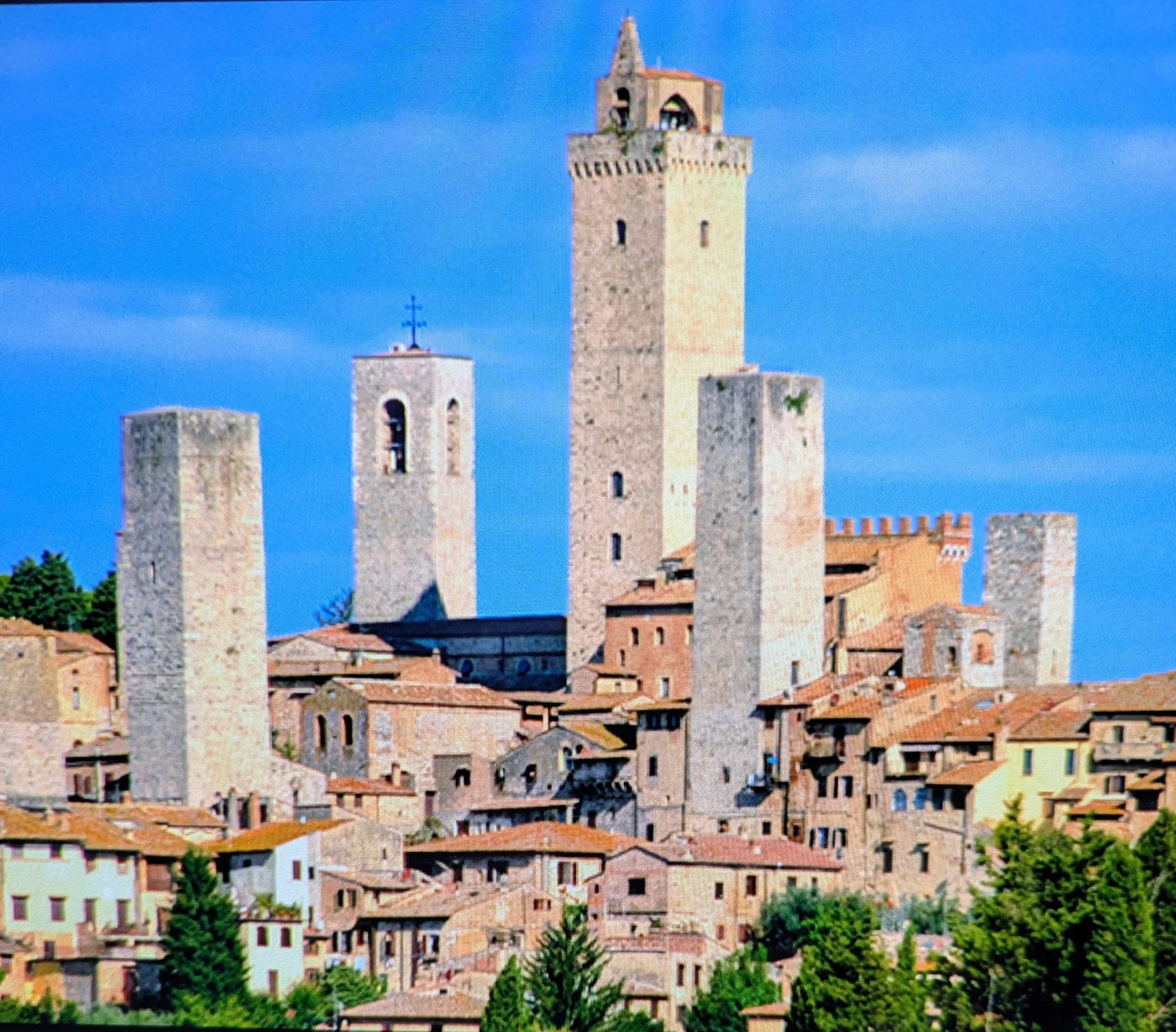
Admire the Towers - Thirteen of the towers built in the Middle Ages remain intact and create the dramatic skyline of San Gimignano. One way to see them is to stop in the valley or on one of the access roads to admire the elevated town. Another way is to climb the Torre Grossa or the Fat Tower which is the only one open to the public and is accessible through the Civic Museum. After climbing 177 feet to the top, you will be rewarded with a breathtaking view of the Tuscan countryside and the rooftops of the town’s medieval buildings.
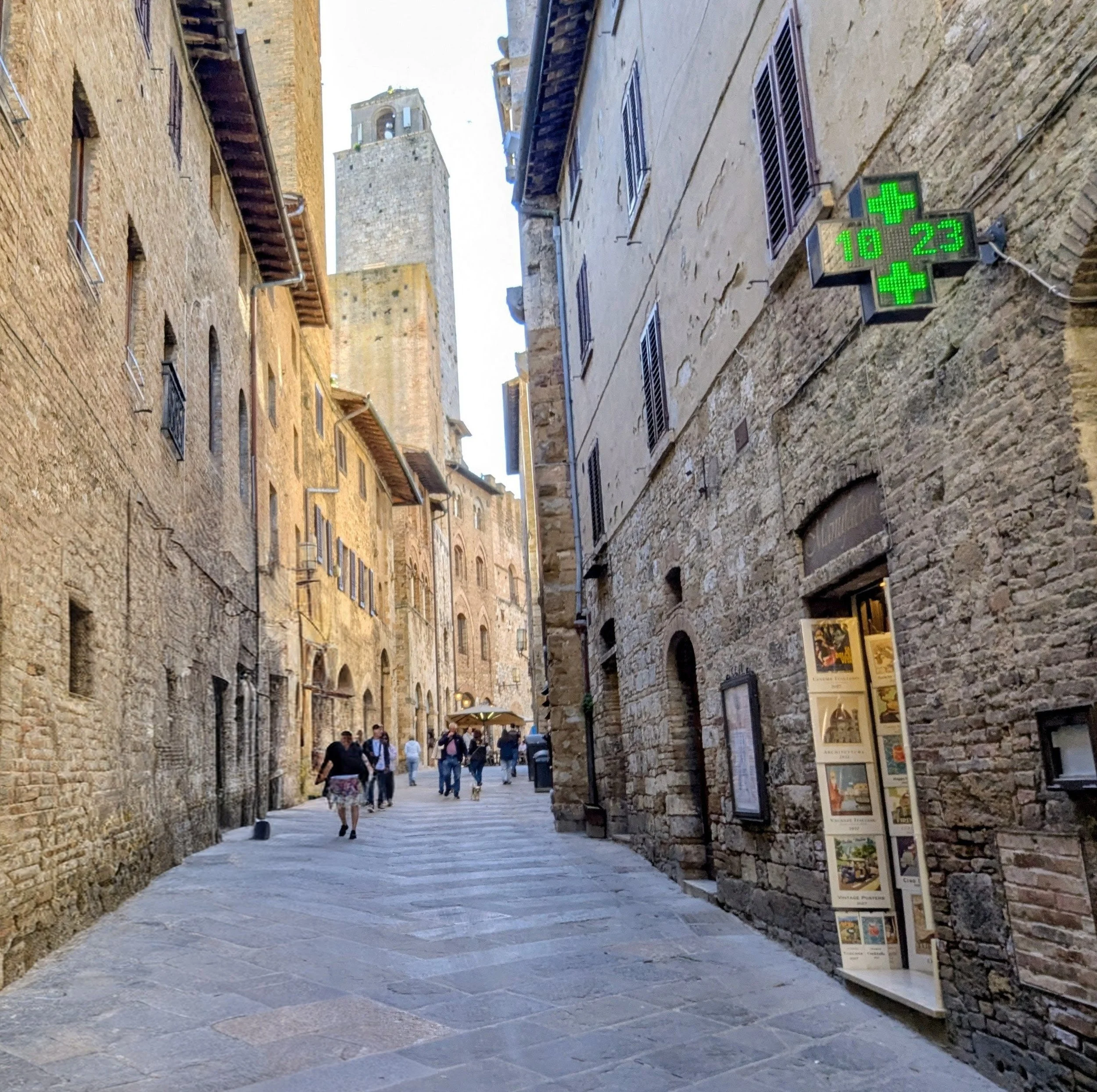
Shop, Dine and Stay in the Restored Buildings of the Town- San Gimignano has accomplished the challenging task of preserving the ambience of past ages while still providing modern amenities for visitors. There are boutique hotels with ready access to the town center, restaurants and cafes with Tuscan cuisine and light fare, and shops with designer goods and artistic works. Medieval souvenirs can be found as well but unlike many other old towns in Europe, San Gimignano has retained its distinctive character.
Interesting Fact- For more dramatically inclined visitors, a Medieval Criminal and Torture Museum which shows the dark side of the Middle Ages in Europe and elsewhere, is a popular alternative. It is housed in two buildings just inside the San Giovanni gate.
When to Go Here- Like other areas of Tuscany, the best weather for sightseeing in San Gimignano is during the months of April, May, September, and October when temperatures are a comfortable 60 to 70 degrees Fahrenheit. During the peak tourist season from June through August, San Gimignano can be very crowded with temperatures rising to 90 degrees. The town holds a popular medieval festival during the third week of June with knights and harvest activities. Precipitation is highest from September to December, and many shops and attractions close or reduce hours from November to March.
How to Get Here- The two closest airports to San Gimignano are the forty-seven miles away at Pisa and thirty-seven miles away at Florence. Train service is not convenient for the town, so most visitors arrive by bus or on private tours. The town is at least a three-hour drive from the Rome and Milan metropolitan areas.