
Madrid's Many Landmarks and Attractions Highlight Spain's Grand History and Enduring Spirit
Madrid was the most important capital in the western world during the 1500s and 1600s when Spain’s empire stretched from the Iberian Peninsula to parts of North America, South America, Africa, and Asia. While the country’s global influence began to wane after the War of Spanish Succession in the early 1700s, the country held onto some of its colonies and possessions until the end of the Spanish-American War in 1898. Nevertheless, Madrid continued to make important contributions to the economic and cultural growth of Europe. Madrid is the third largest metropolitan area in Europe with a population of over seven million people. Madrid receives over eleven million visitors each year who come to enjoy the fascinating landmarks, museums, cafes, and other activities this unique city has to offer. Madrid also serves as the central hub for reaching other parts of Spain by air or through high-speed rail service covering major destinations around the country.
HISTORY OF MADRID
The region surrounding modern Madrid was unsettled and unimportant in the affairs of the Iberian Peninsula prior to the eighth century AD. The native Celtiberian communities built villages in other parts of the peninsula as did the Phoenician, Greek, Carthaginian, and Roman colonizers that arrived here from around the Mediterranean in ancient times. During the Middle Age, however, the Visigoth Kingdom of Toledo established some military outposts near Madrid. By 886 AD the conquering Moors from North Africa had built their own citadel on the west bank of the Manzanares River to protect Toledo and the ruling Umayyad caliphate based in Cordoba from competing Christian kingdoms. Even after the Christian Reconquest of the Iberian Peninsula captured the fortress and caused the several thousand residents of Madrid to fall under their control in 1085 AD, there was nothing to suggest that the city would become an important location four centuries later. It remained an agricultural society with some tradesmen involved in leather work and manufacturing building materials.
The development of Madrid into a great European capital was a gradual process. Religious orders founded monasteries and many churches in the area, and it became popular among the royalty of the Kingdom of Castille as a hunting ground and central location for conducting affairs of state. In the early 1500s, supporters of Queen Isabella and her husband King Ferdinand captured Madrid to resolve a succession crisis in Castile. The growing importance of Madrid was confirmed in 1561 when prominent King Philip II, who was the monarch of Castile, Aragon, Portugal, Naples and Sicily, and the Provinces of the Netherlands, established Madrid as the capital for all his realms. By this time, Spain’s massive global empire extended to its territories in the New World. Great wealth poured into Madrid and the population of the city grew to over 100,000 people. Construction projects and cultural activities flourished throughout the 16th and 17th centuries as palaces, grand cathedrals, museums, and notable landmarks were completed. This building style was referred to as the Castilian Baroque movement and featured red brick facades, dark slate roofs, and grand courtyards.
Spain’s growth and Madrid’s evolution into an imperial capital during this period is sometimes referred to as Spain’s Golden Age. However, the harshness of the Spanish Inquisition, several weak rulers, numerous foreign wars and colonial revolts, and massive debt obligations left the country vulnerable to foreign manipulation and internal division in succeeding centuries. Madrid recovered briefly during a period of prosperity and cultural renaissance in the late 1800s which restored growth and style to the city. Nevertheless, the 20th century was a time when progressive and reactionary forces contested for control of Spanish politics and culture. The nation was reborn after the death of General Francisco Franco in 1975 into a modern democracy and a more prosperous society. Spain’s economy now is the fifth largest in Europe and Madrid contributes about twenty percent of the country’s economic production.
INTERESTING THINGS TO DO WHEN VISITING MADRID
Here are some of the most interesting things to do when visiting Madrid:
VISIT THE ROYAL PALACE
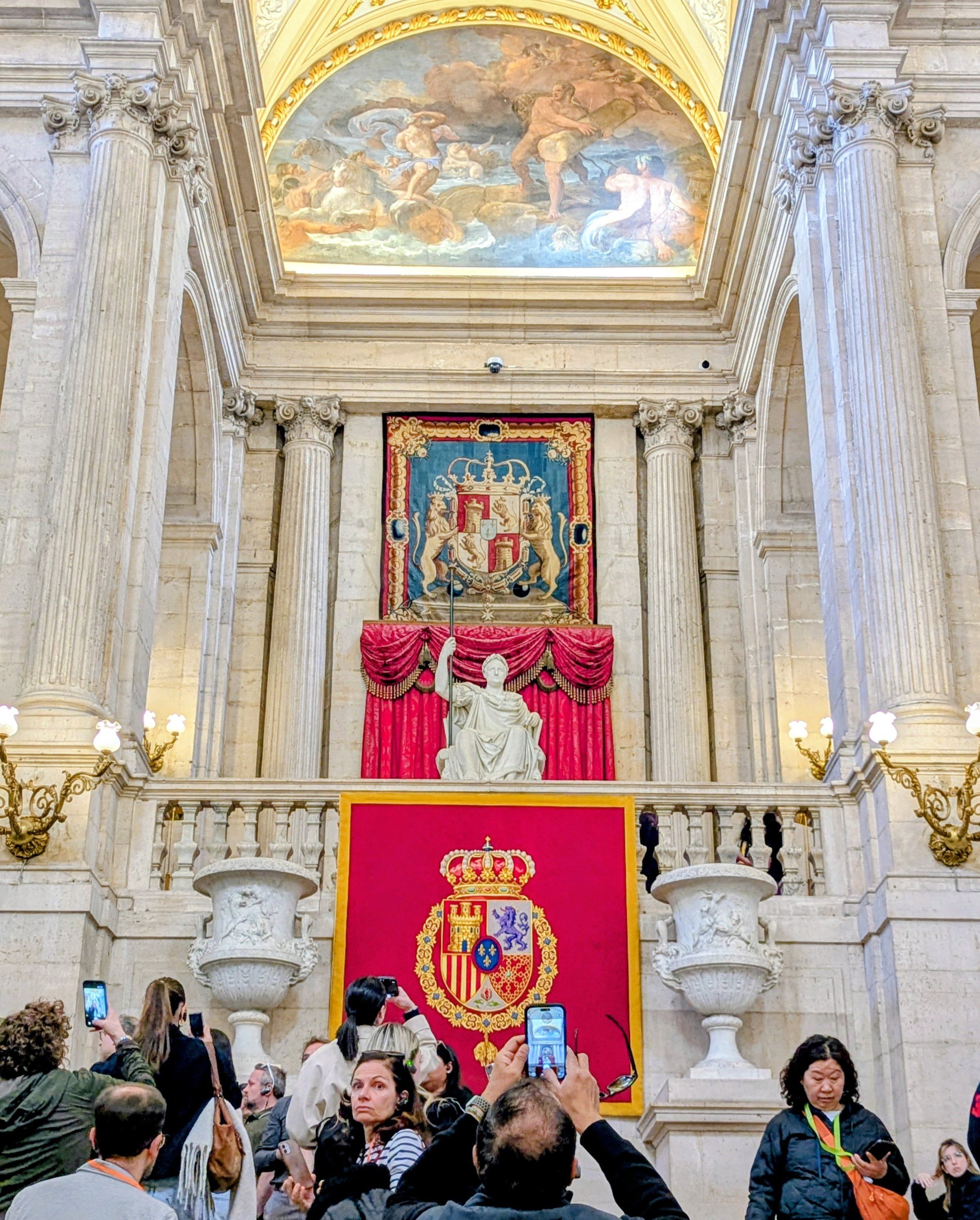
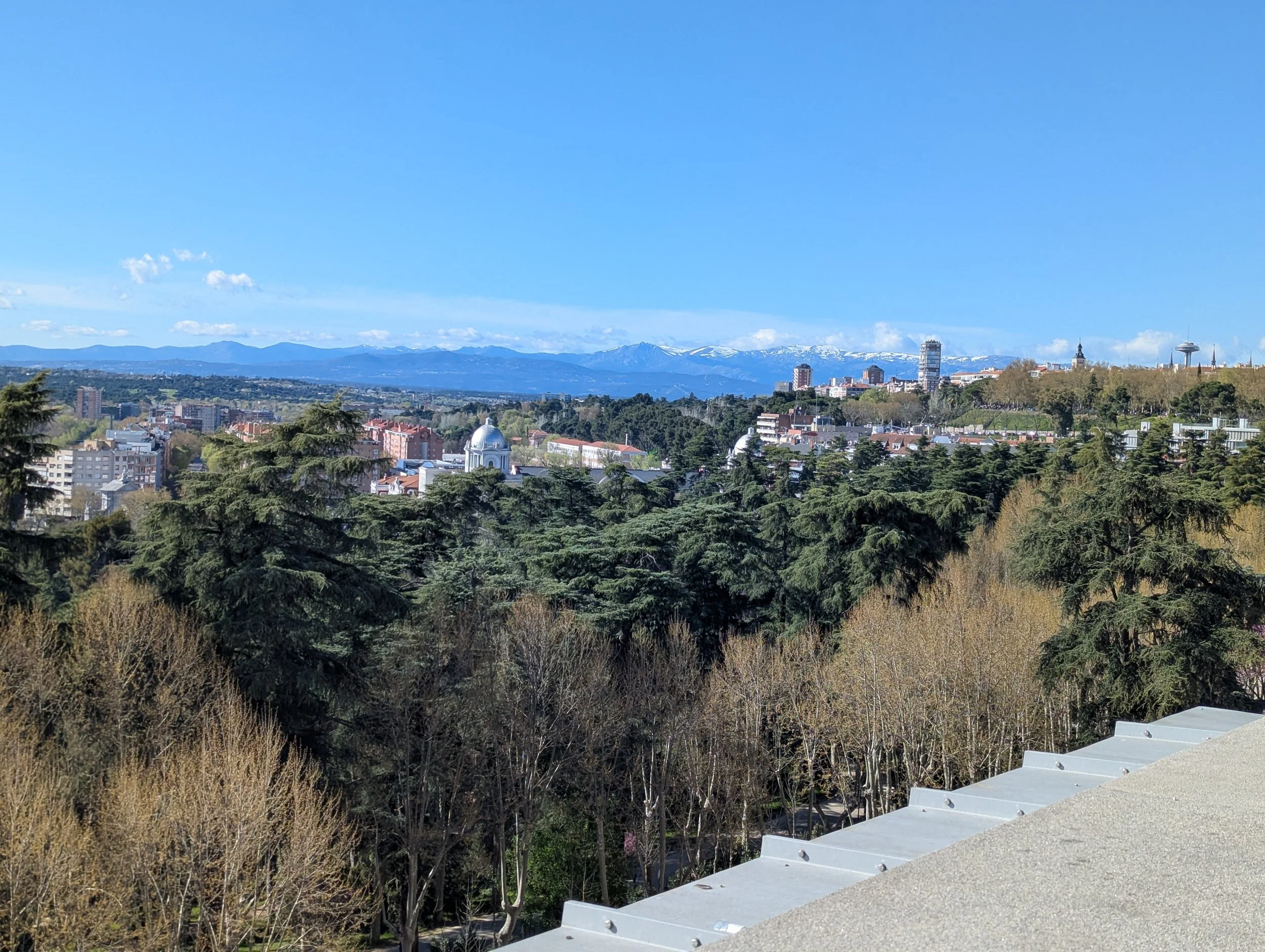
Once people settle into their hotel or residence in Madrid, one of the first places visitors enjoy seeing is the Royal Palace, known as the Palacio Real located in Old Madrid. Initially, this site located on a high hill overlooking the Manzanares River was the location of the Moors’ fortress. The Spanish crown expanded the fort into a Gothic Palace in the 1500s and used it as a royal residence for several decades. However, for almost two centuries thereafter Spanish kings resided principally in an unadorned “grey palace” known as San Lorenzo de El Escorial located in the foothills thirty miles to the northwest of the city. The libraries, museums, family mausoleum, and royal apartments of this plain structure paled next to the grand palaces constructed by other rulers in France, Austria, and Russia during the 17th and 18th centuries. As a Bourbon monarch who had lived in Versailles, King Felipe V envisioned a grander design for Spain that matched these other royal residences, so he commissioned the construction of a new palace at the Old Madrid site in 1738. King Carlos III became its first resident in 1755, and his successors occupied it thereafter. While the palace does not serve as the royal residence for Spain’s present king, Juan Carlos I, it is still used for ceremonial occasions and state visits.
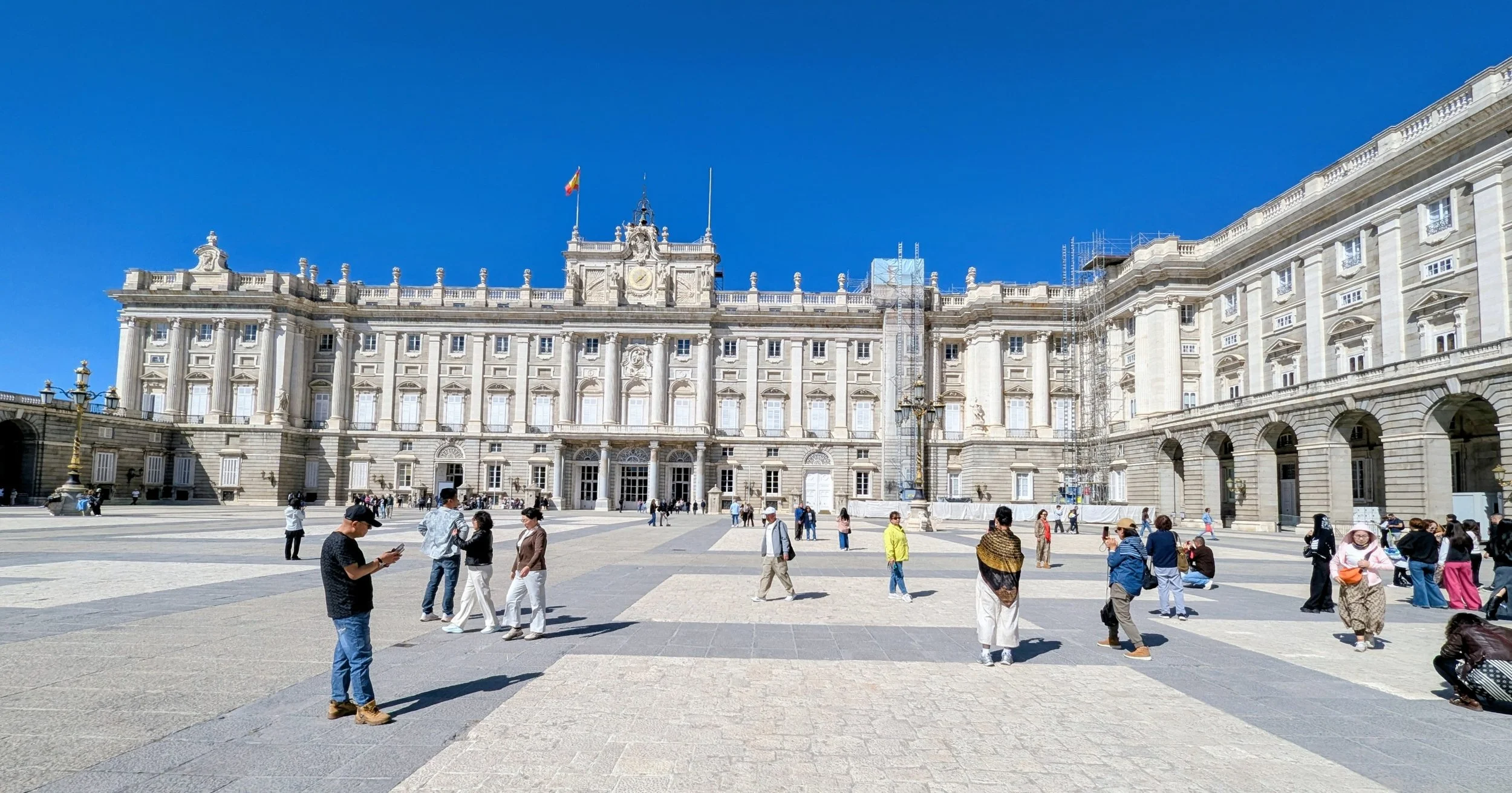
Some of the interesting features of the palace to be seen on a visit there are:
Plaza de Armas-This grand square located just inside the main entrance to the palace complex serves as the courtyard and is used for official ceremonies with dignitaries and military events. The royal armory, which has a diverse collection of arms and armor, is accessed from the Plaza and a monthly changing of the guard ceremony takes place here.
Grand Staircase- The grand entrance to the palace is a double staircase constructed of Toledo marble with seventy-two steps on each side flanked at the base by statues of two lions. Adorned at the top with a fresco by the artist Corrado Giaquinto, the staircase showcases the power and wealth of the realm.
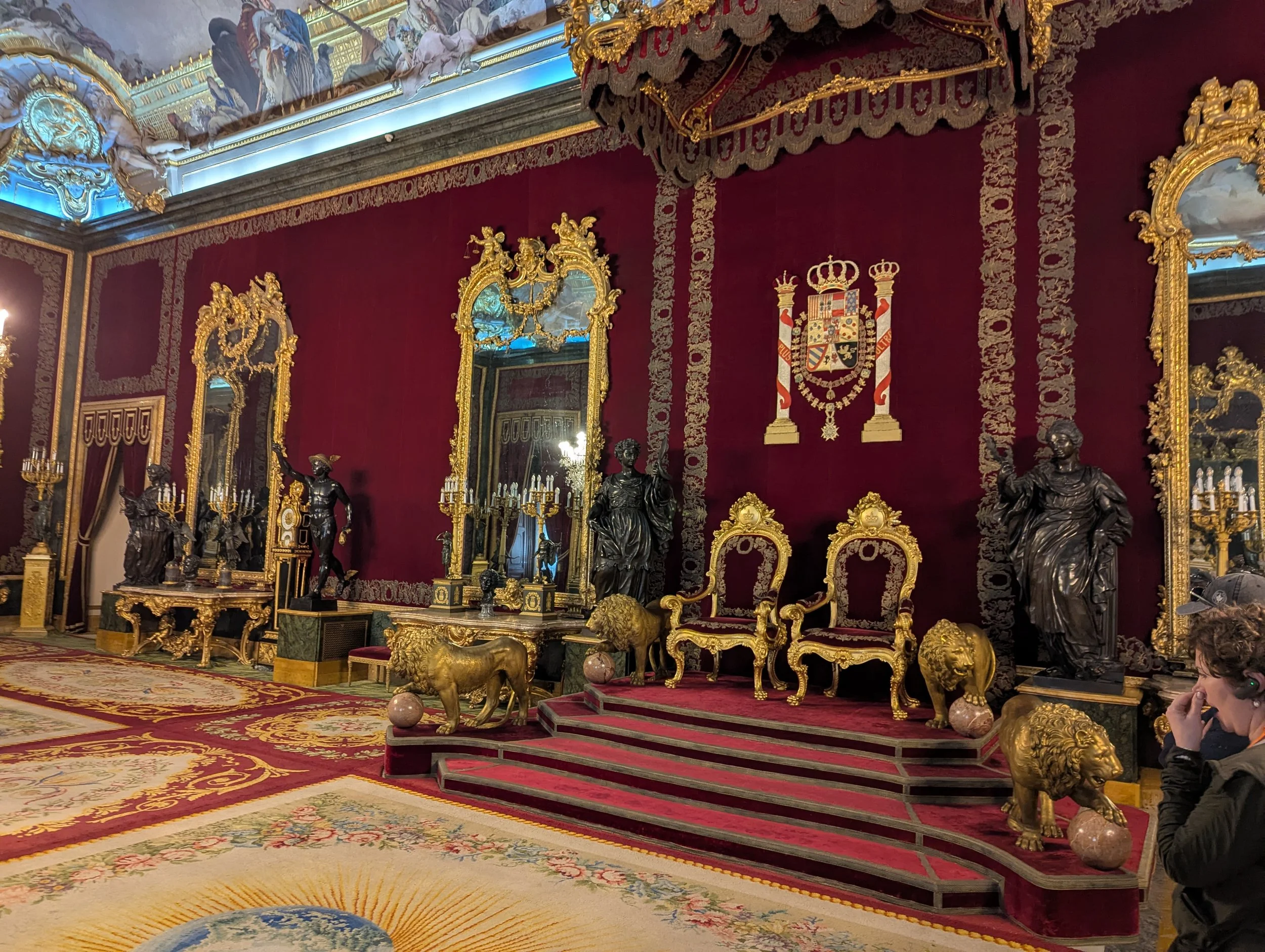
Throne Room- The throne room completed in 1772 has remained the same for 250 years with walls of crimson velvet, crystal chandeliers, twin throne chairs, and precious carpeting.
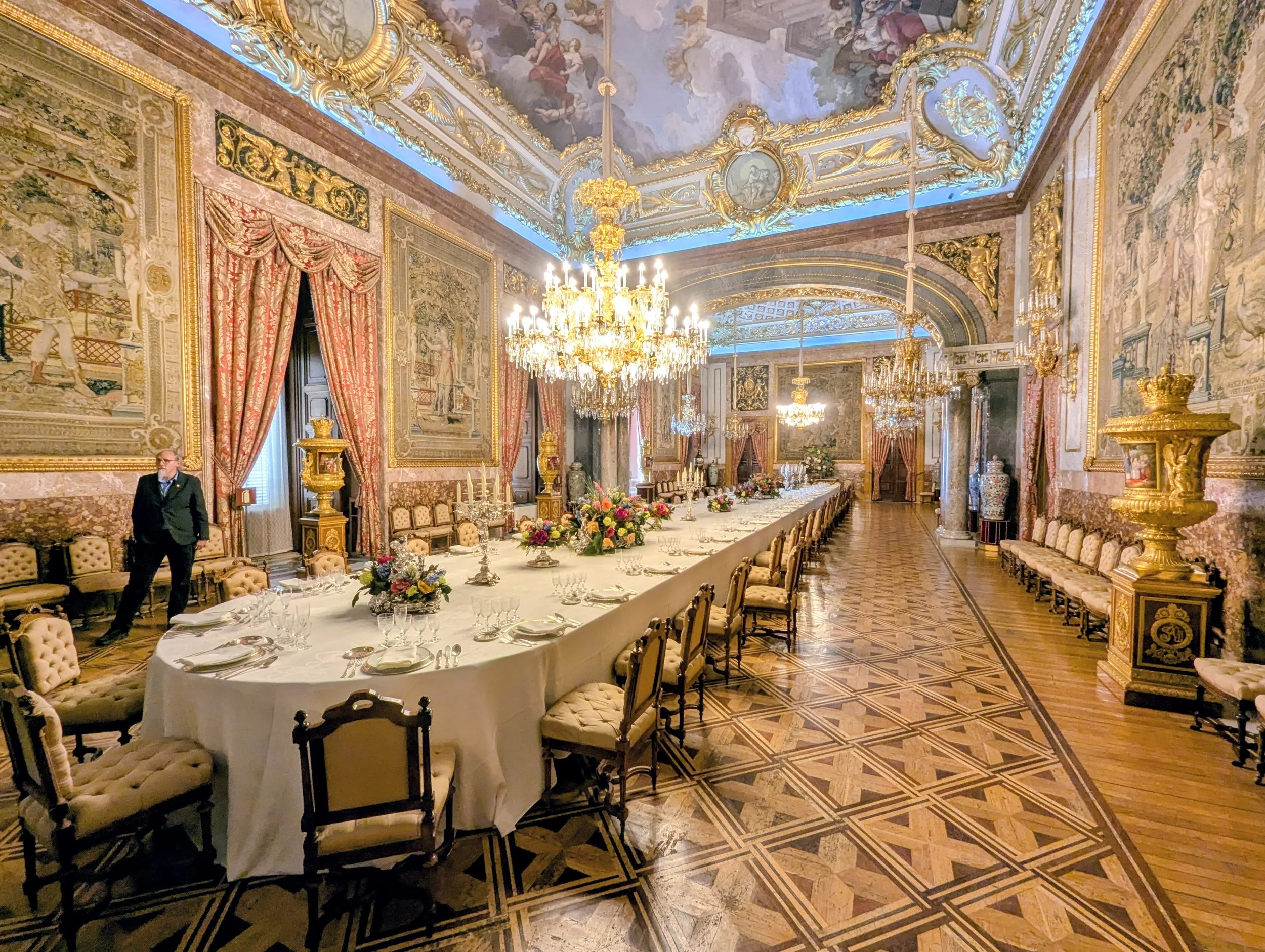
Dining Room- The palace dining room was created for the royal wedding of King Alfonso XII and continues to be used for royal banquets. It is known for the long rectangular tale that can seat up to 144 people, historic tapestries, and other lavish decorations.
BROWSE THE HISTORIC PLAZAS OF OLD MADRID
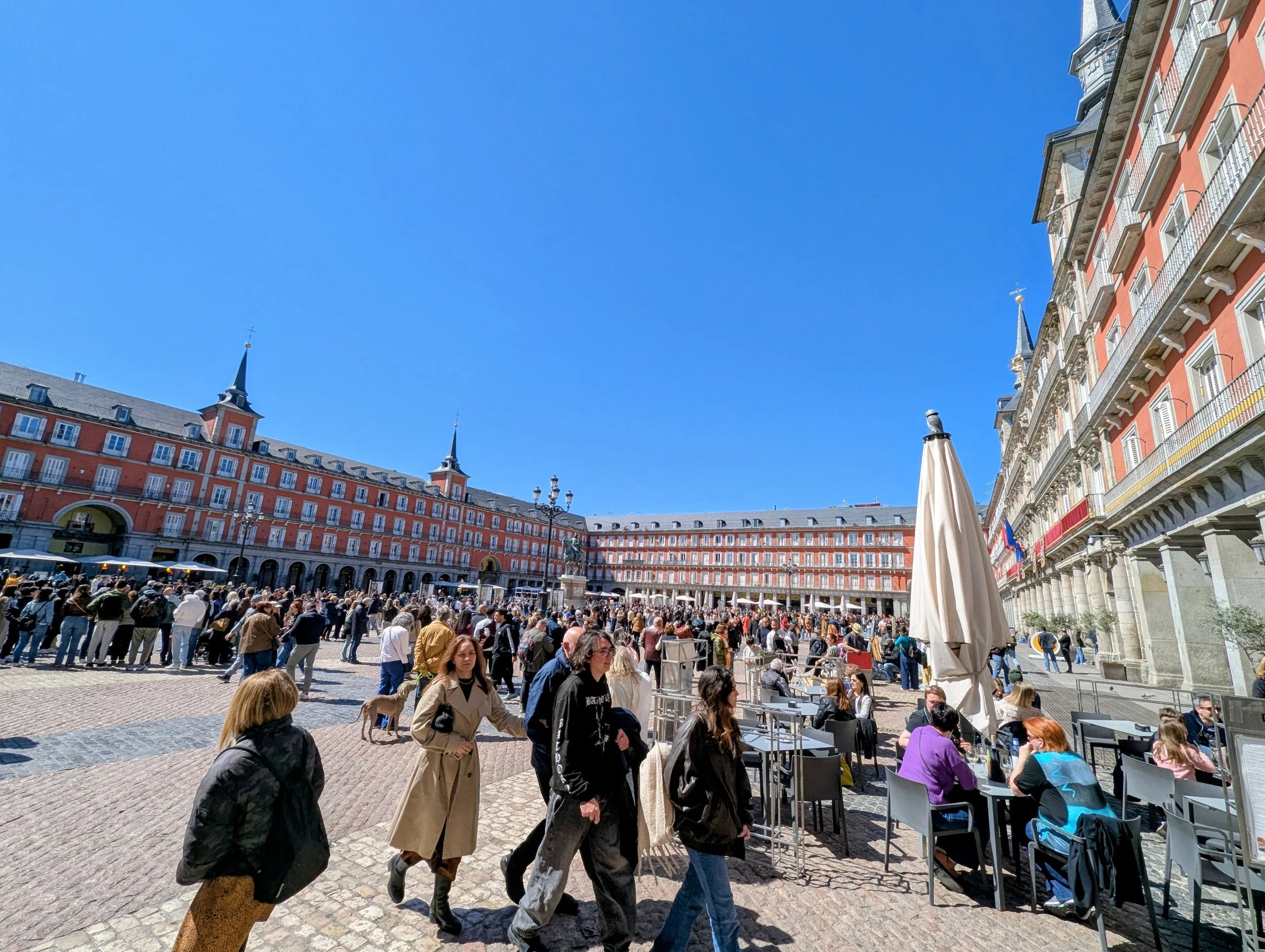
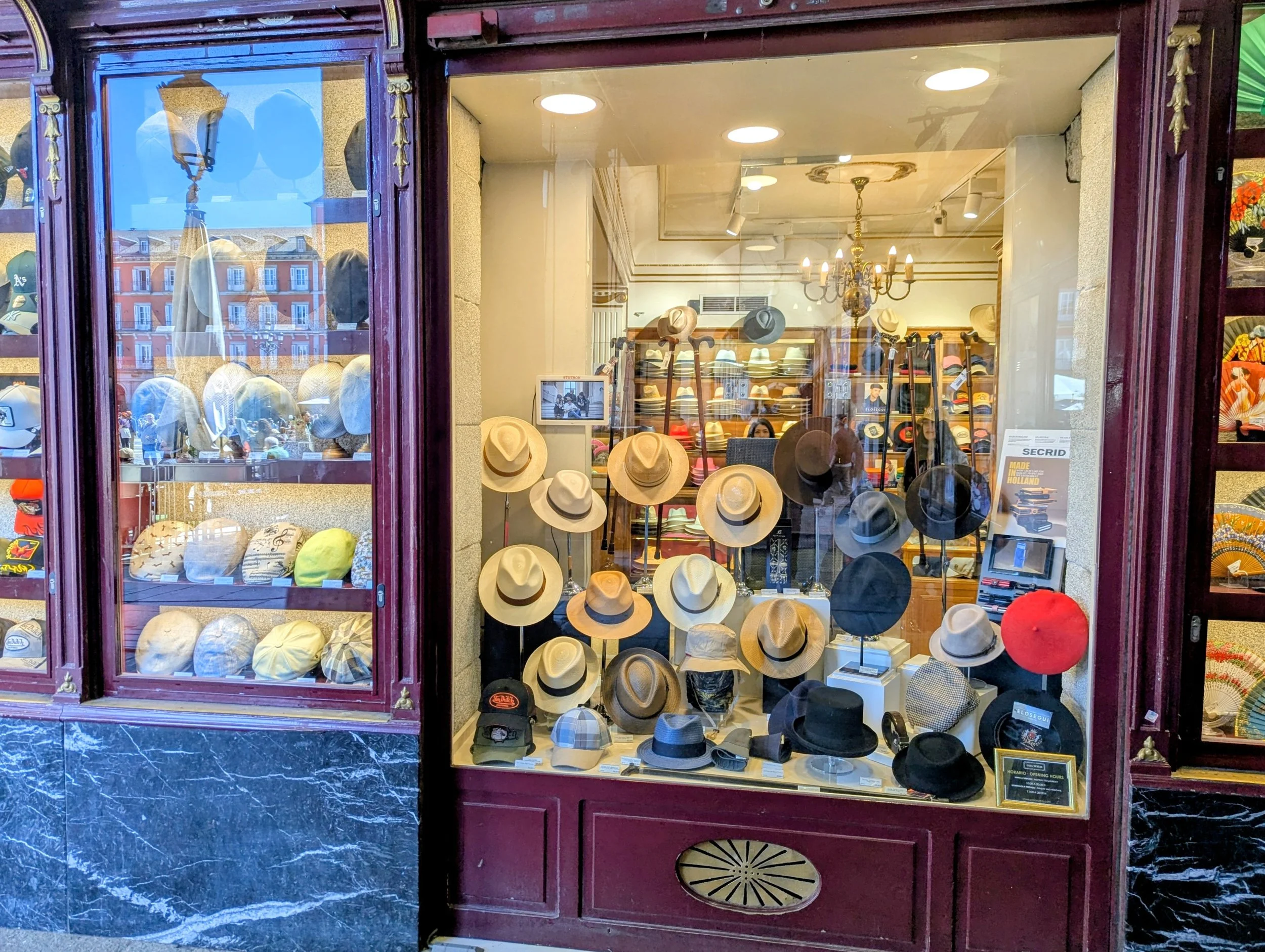
In order to appreciate fully the importance of Old Madrid to Spanish history, it is useful to visit two important plazas that have witnessed many important events over the centuries. They serve as gathering places for shoppers and tourists during the day, and for café crowds on most evenings. First, the Plaza Mayor located in the center of Old Madrid was constructed as a large rectangular public square in the early 1600s. For decades thereafter all kinds of events ranging from executions to trials to bullfights took place there. The grand buildings surrounding the plaza have large columns and balconies that provide shaded areas for shoppers to sell their wares, for visitors to browse the area, and for residents and merchants to observe the events below. Meanwhile, a mounted statue of King Felipe III stands in the center as a photo stop for tourists. Today, the main activities you will see in the plaza are dining and people watching, street performances, photography of impressive architecture, specialty markets, and tour groups processions.
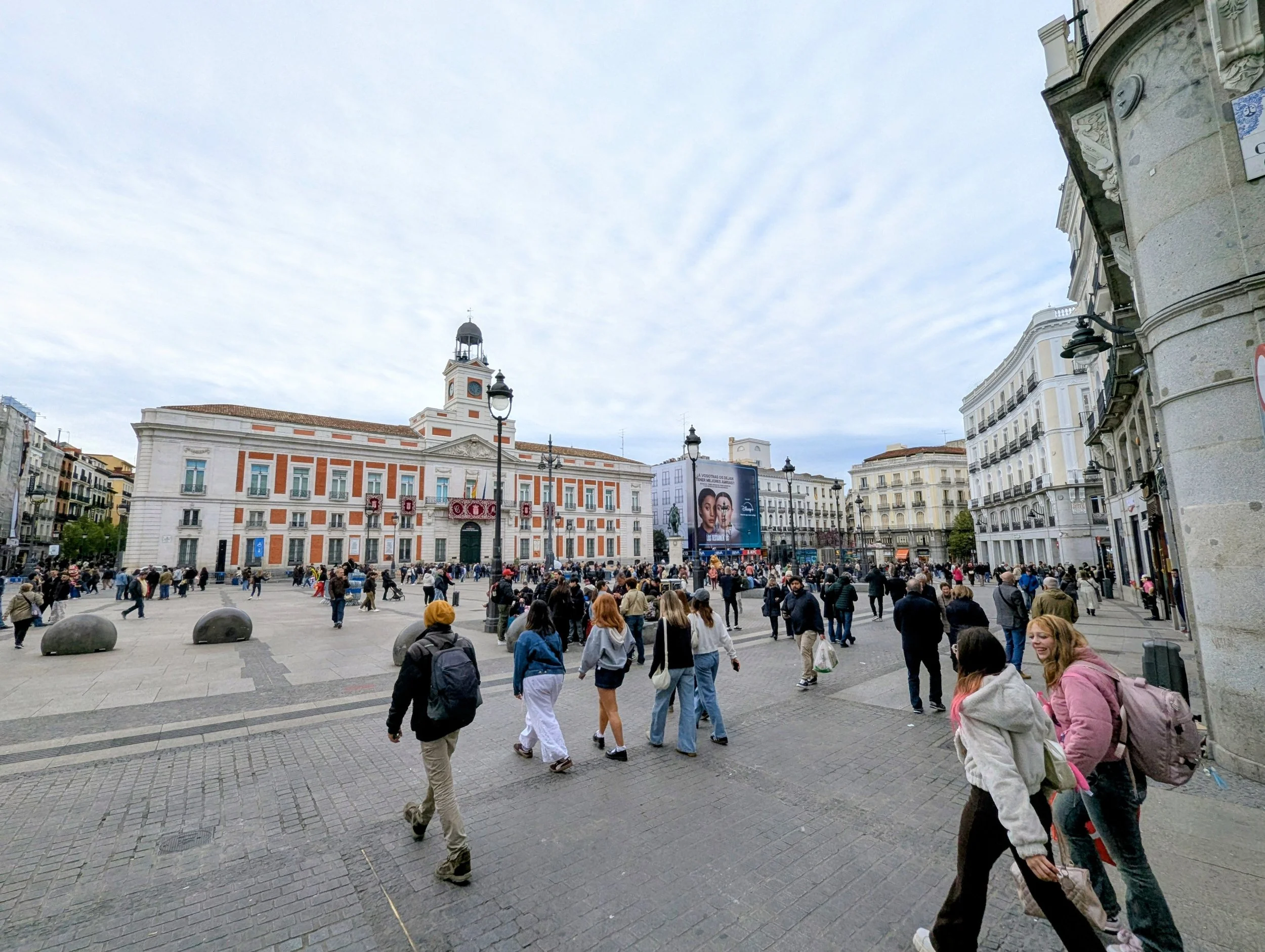
Puerto del Sol is located farther to the east in Old Madrid and is a popular destination for people to meet for celebrations, gatherings, and demonstrations. This pedestrian friendly area is surrounded by major shopping streets like Calle Preciado’s and Calle del Carmen, but also close to tapas bars, cafes, and restaurants. There are tourist offices and symbols of Madrid to photograph there.
VISIT THE MANY MUSEUMS IN MADRID
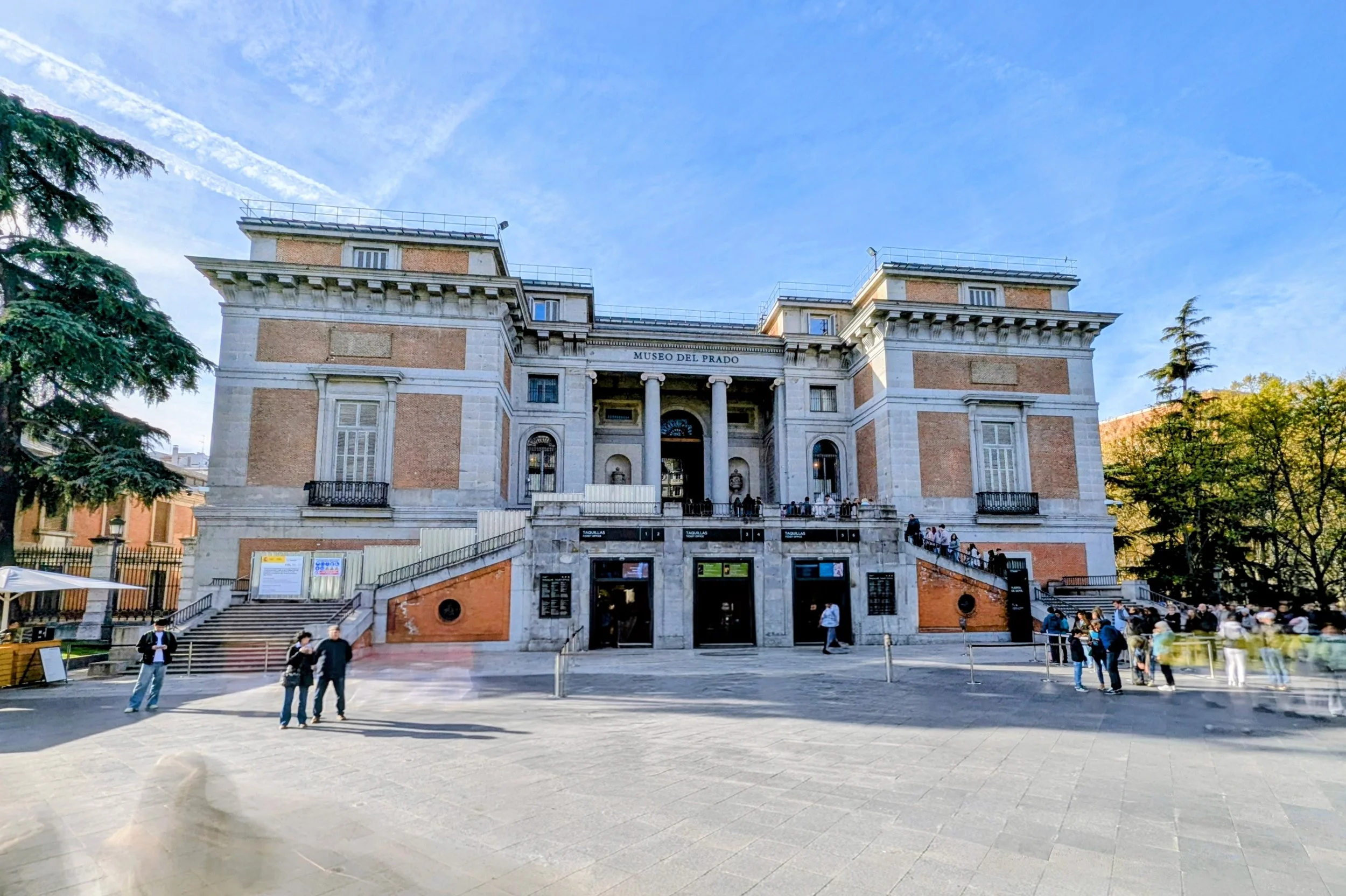
Madrid is full of important museums recognized throughout the world for their collections of art and contributions to European culture. Some of them are in the eastern section of the city known as Bourbon Madrid. Developed in the 18th century, this area ended up attracting many cultural activities, hotels, and financial firms, because of its amenities. These include numerous squares, fountains, gardens, and grand avenues such as the tree lined Paseo del Prado. Everyone has their favorite museums in Madrid, and the following are the most popular:
Prado Museum- In 1785, King Carlos III directed the construction of a neo-classical museum building along the Paseo del Prado that opened in 1819 as the grand Prado Museum. Known for its collection of Spanish royal paintings, important works by Goya and Velazquez, iconic religious art, and great paintings and sculptures from European artists, the Prado’s permanent collections are arranged in chronological order on three floors. With over three million visitors annually, the museum has instituted new crowd control measures to preserve a quality experience for visitors.
Museo Thyssen-Bornemisza- This museum began as a baron’s private collection in 1920 and was later relocated to the Villahermosa Palace in 1992 and purchased by the Spanish government. It complements the collection of the Prado by focusing on the works of various Western artists between the 14th and 20th centuries including collections of German, Russian, other European artists along with some American landscapes. The Thyssen is known for its intimate layout and presentations.
National Archeological Museum- This archeological and historical museum located adjacent to the national library presents hundreds of exhibits covering objects such as swords, crowns, pottery, and religious icons recovered all over Spain. It presents a chronological journey through the history of the various peoples who have settled on the Iberian Peninsula starting with cave dwellers and continuing through Greek, Roman and Visigoth times to royal pieces and collections of the Spanish crown. Founded by Queen Isabella in 1867, the museum was renovated recently and is located north of the other two museums on Paseo de la Castellana.
Museo de America- This museum focuses on artifacts brought back to Spain from its colonies in the New World. It documents the historic voyages of Spanish explorers across the Atlantic along with treasures and objects from the Mayan world and other pre-Columbian peoples.
SAMPLE THE CITY’S LANDMARKS
With centuries of history, Madrid also has other unique landmarks worth visiting. These include:
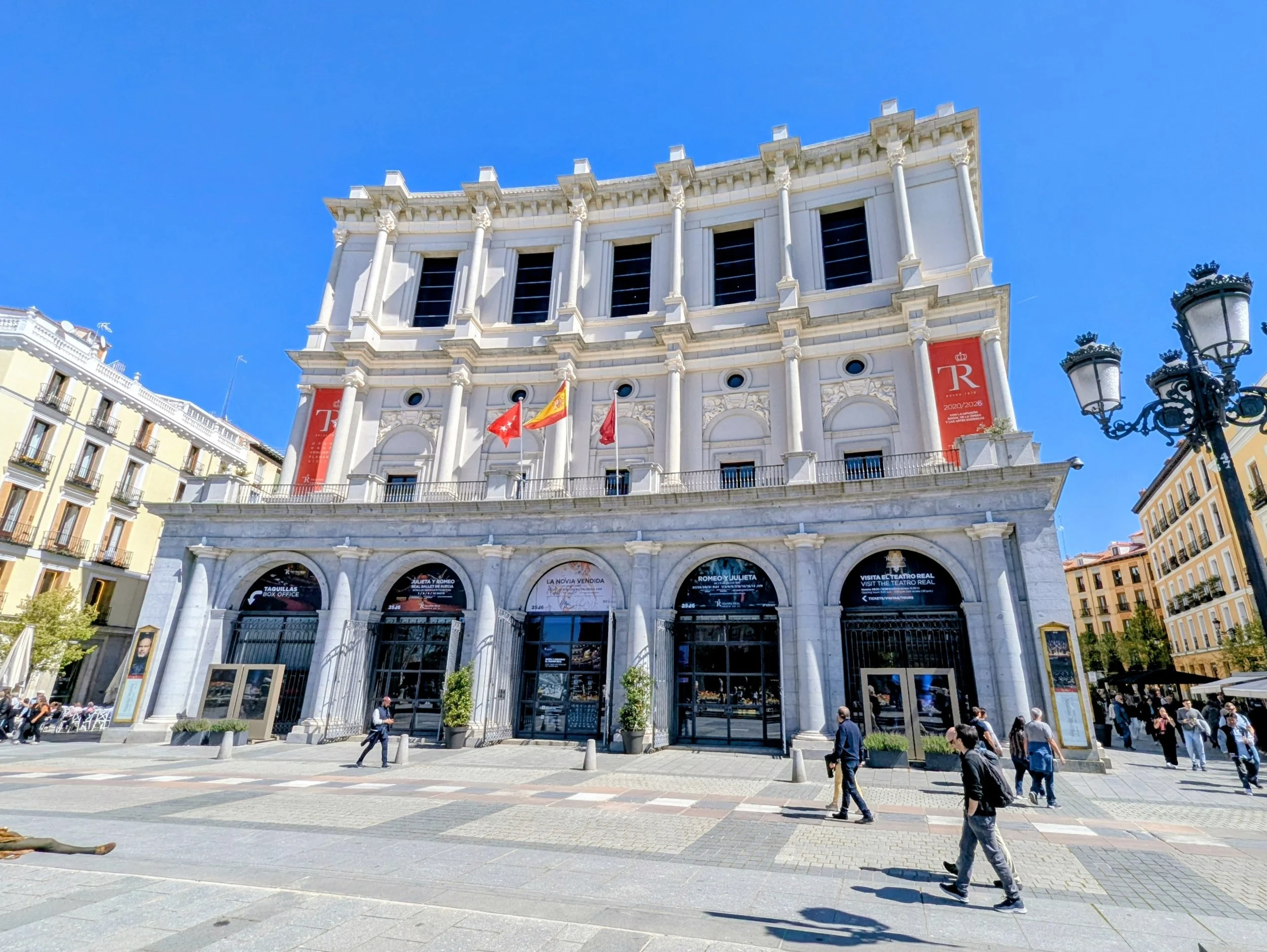
Teatro Real- For almost three hundred years, the land located to the east of the Royal Palace and the gardens known as the Plaza de Oriente has been occupied by stages and theaters. In 1850, Queen Isabel II set out to build a grand modern opera house at that location. The theater served as a cultural icon for several generations before falling into disrepair during the Spanish Civil War. Renovated during the 1990s, the modern version of the Teatro Real is a grand theater seating over 1600 patrons with beautiful red and gold décor. It is used frequently for opera, ballet, and classical musical performances. Touring the theater to see its main hall and royal boxes, massive stage, decorated salons, and restaurant is an enjoyable experience.
Plaza de Toros de Las Ventas- For traditionalists, the bullfighting buildings of Spain represent a link to the culture of the Spanish people. Madrid’s Las Ventas bullring is an attractive venue with grand arches and several levels of seating for up to twenty-four thousand people to attend the sixty bullfights held there between May and October each year or rock concerts held in the fall. The adjoining Museo Taurino contains a wide collection of memorabilia and exhibits about famous bullfights, matadors and bulls that have taken place in the arena.
ENJOY THE CITY’S RESTAURANTS, SHOPS AND PARKS
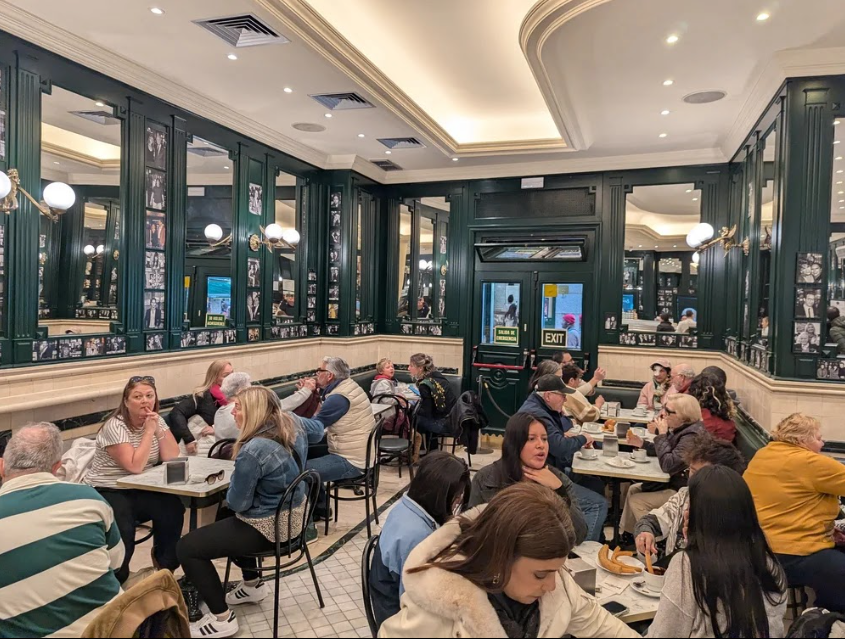
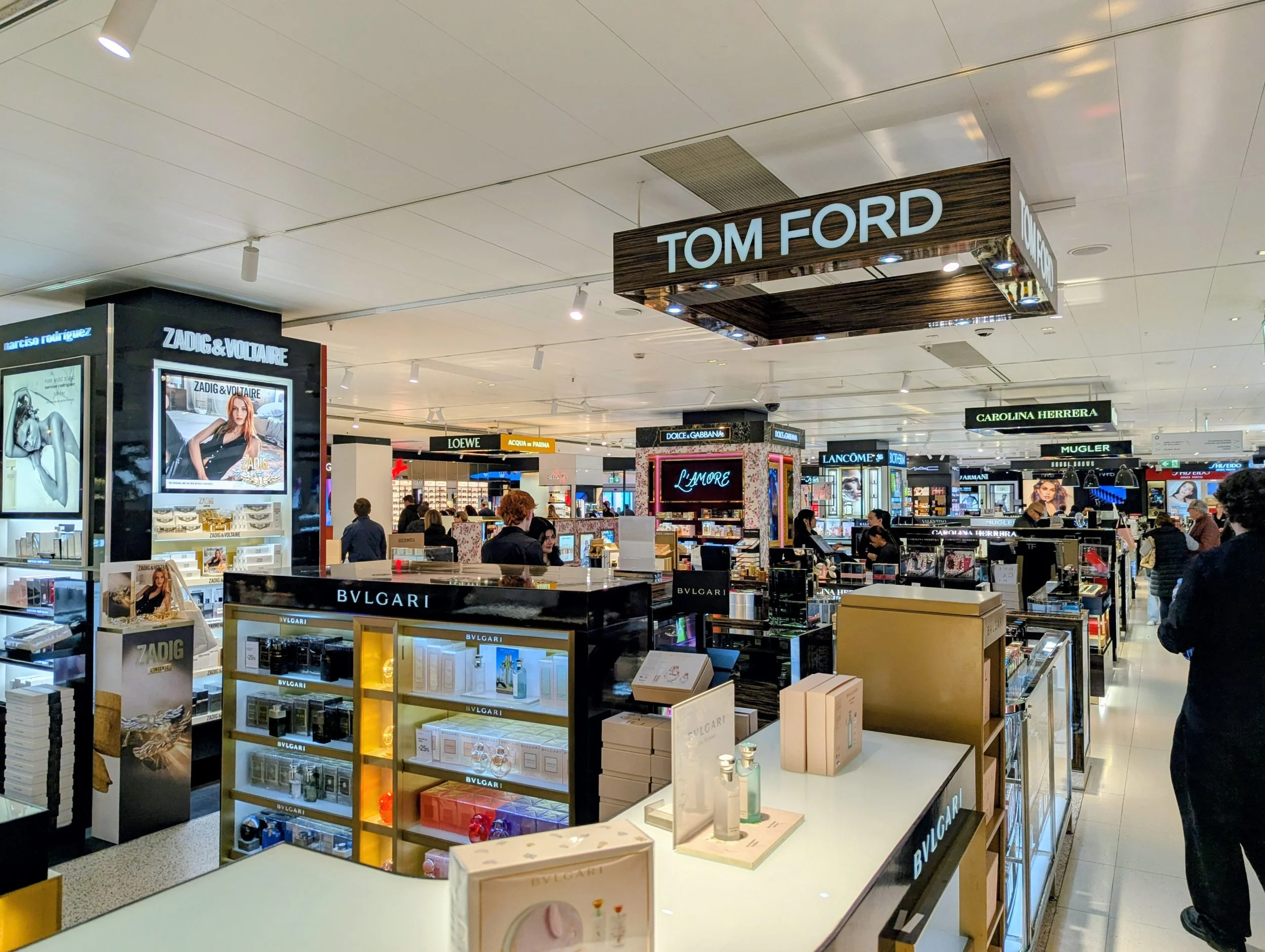
One misperception about Spain is the idea that the Spanish people drink the most coffee and get the shortest hours of sleep of any nation in Europe. That is not the case. However, the people of Madrid do like to take time to relax by enjoying meals, snacks, and drinks, or walking around the city’s parks and shopping areas. It is customary to visit a restaurant or a specialty cafe like Chocolateria San Gines to sample their tapas or dessert offerings. In addition, both lunch and dinner are traditionally served much later in the day than in other western countries.
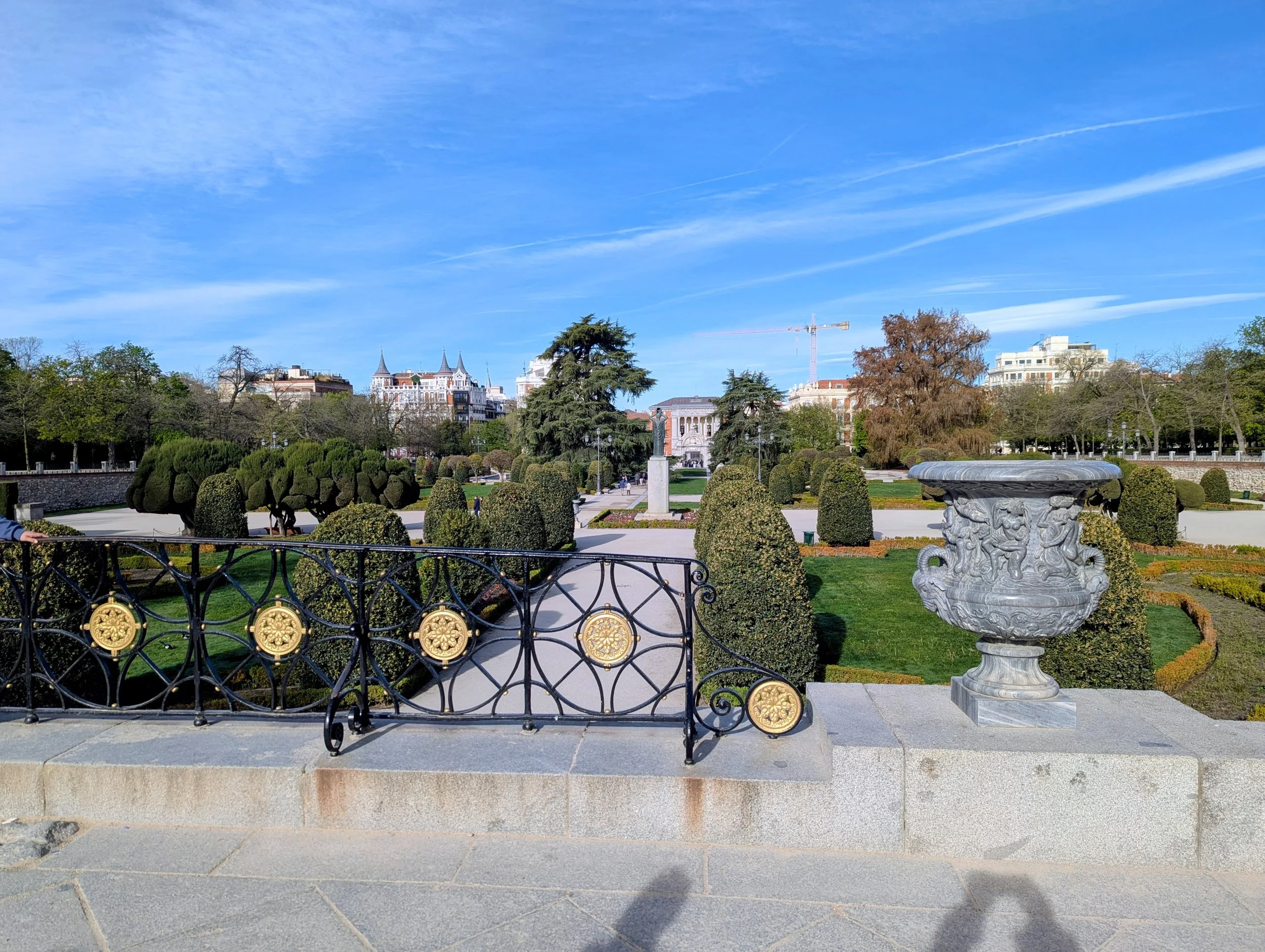
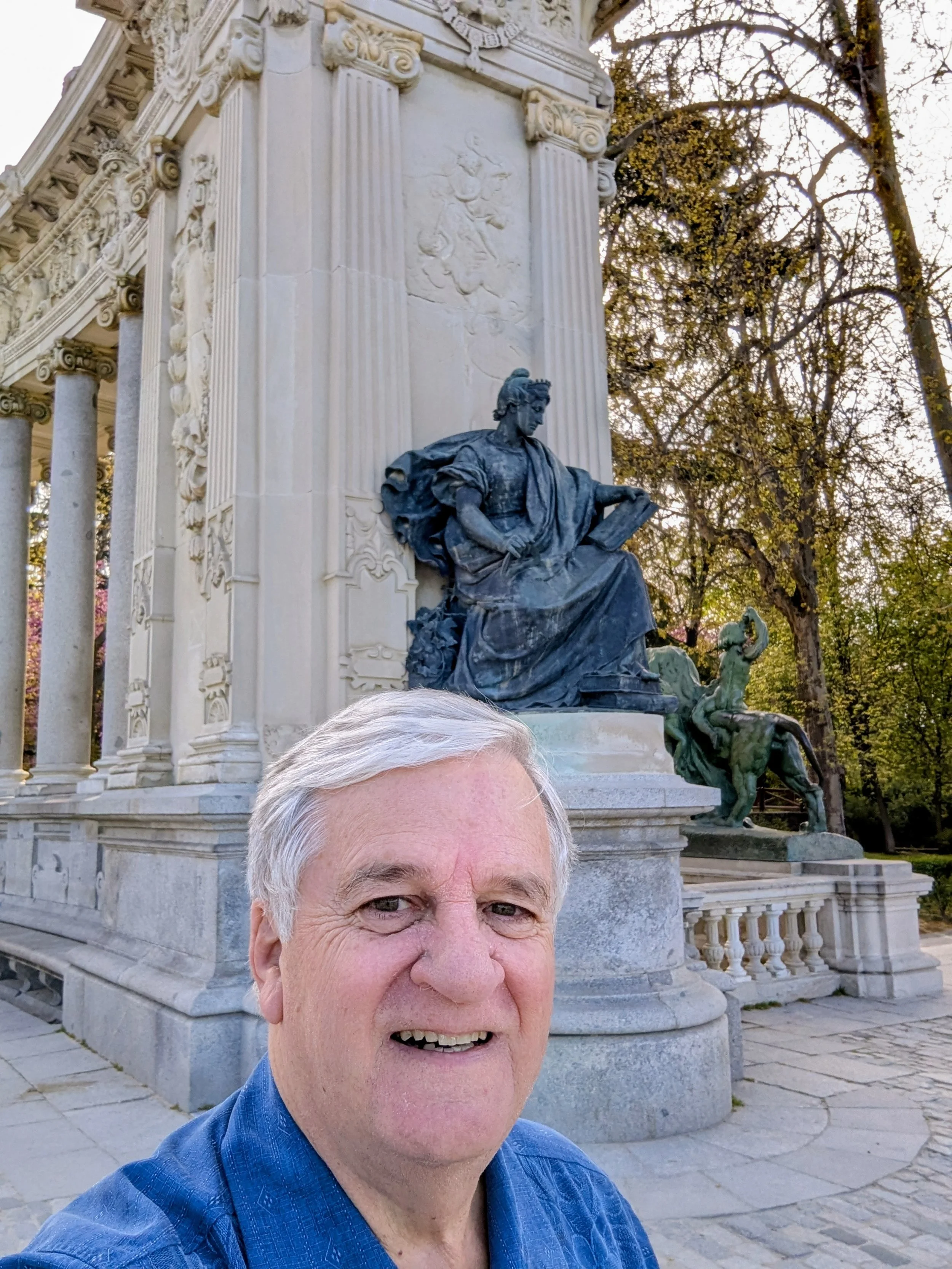
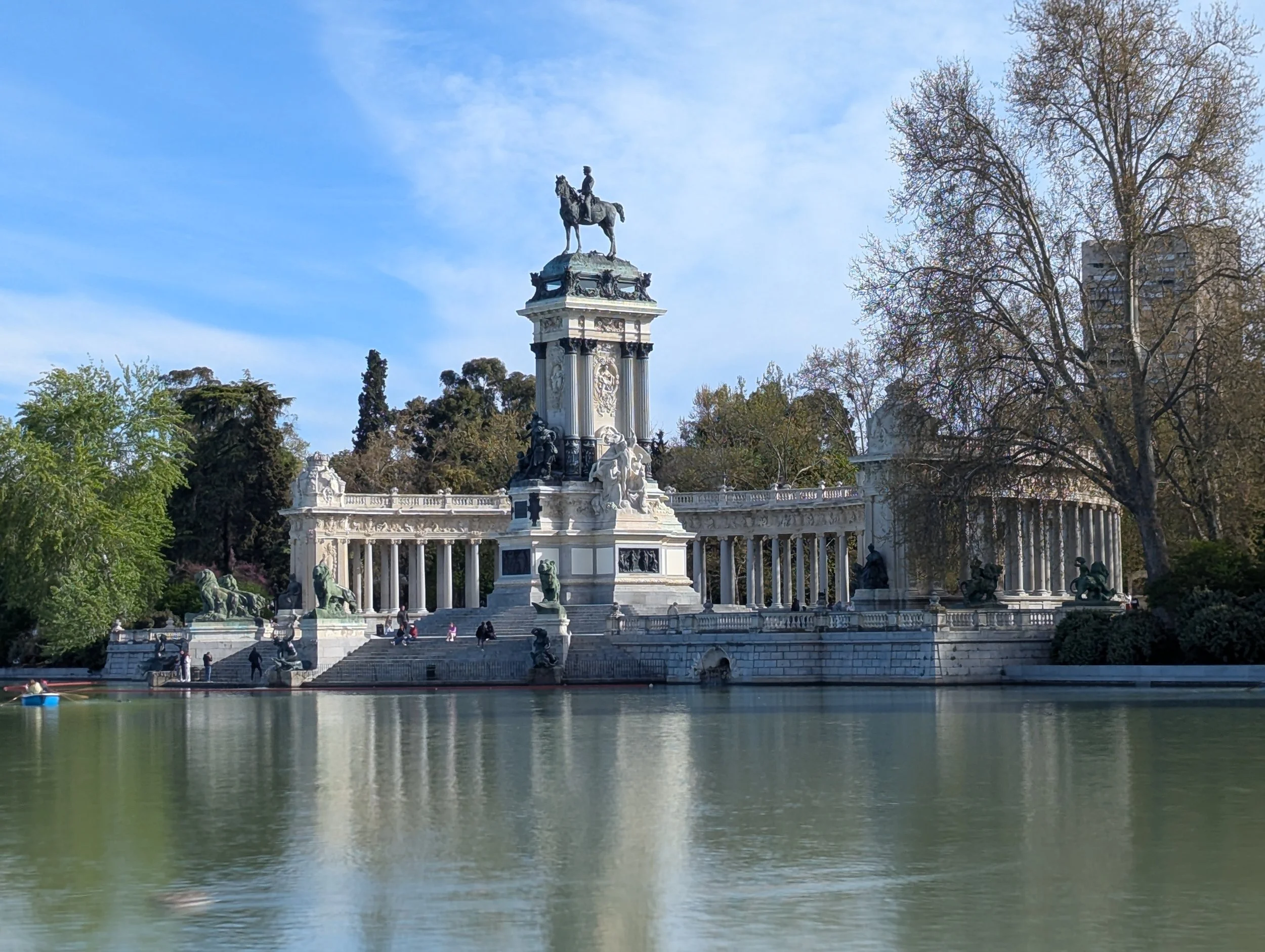
Parque del Retiro- When it comes to relaxation, do not miss visiting the magnificent Retiro Park near the Paseo del Prado. Once the site of a royal palace and private woodlands for the royal family, it was opened to the public in 1869. A wonderful place for strolling, jogging, and horseback riding, the park covers over 350 acres and contains over 15,000 trees. Some people enjoy the artificial lake where you can rent rowboats, the book fairs held on the pedestrian street leading into the park, the rose garden, or walking around the grand monument to King Alfonso XII. Another park attraction is the Crystal Palace, a glass and metal pavilion used to host exhibitions that was inspired by the London Exposition of 1851 and is currently under repair.