
Martinique’s History, Beauty and Blend of French, African and Creole Traditions Create a Charming Caribbean Destination
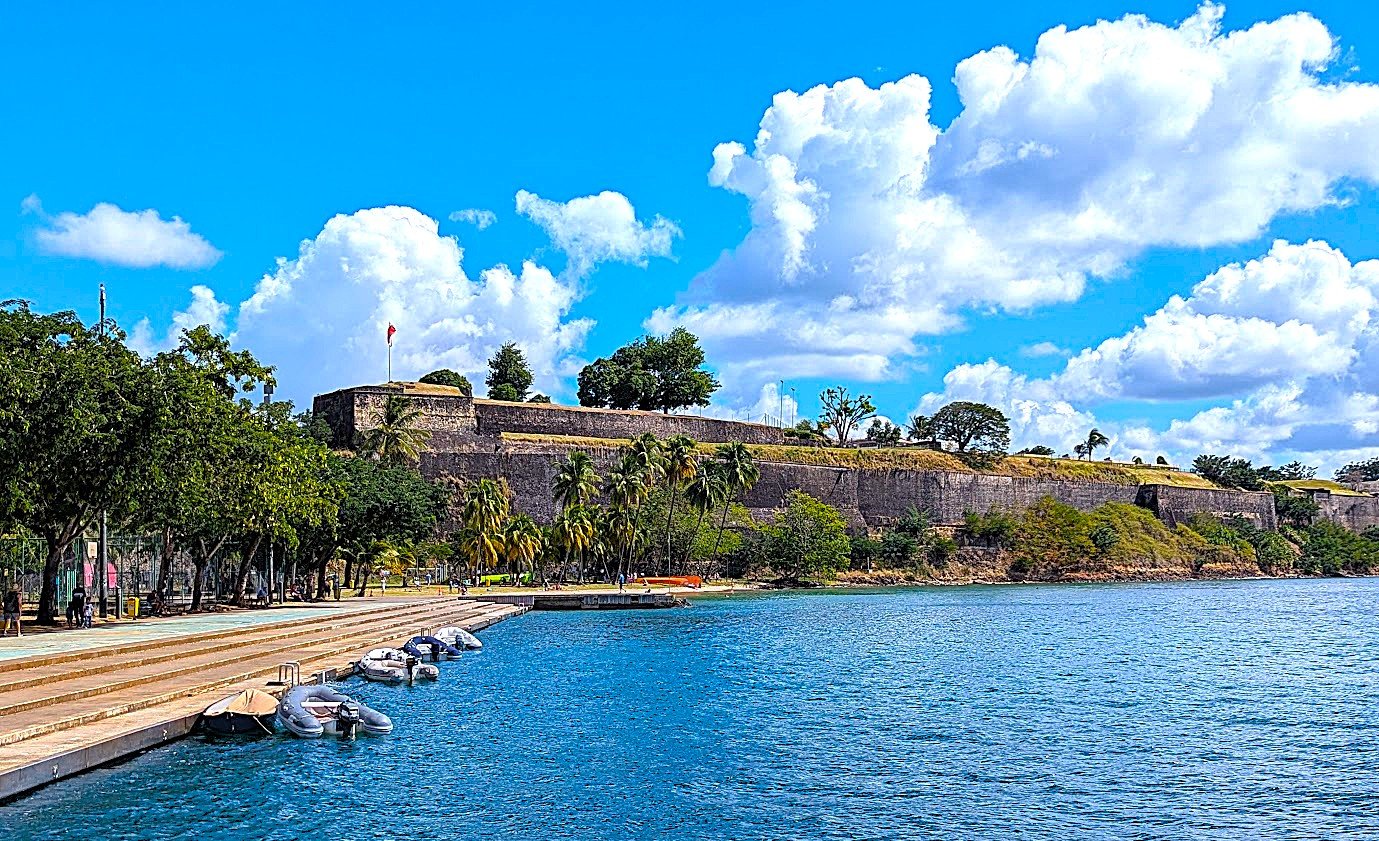
The Lesser Antilles are fifteen small Caribbean islands located to the southeast of Cuba, Hispanola and Puerto Rico. Although European colonial powers contested for control of many of these islands for centuries, the central gateway to French Caribbean culture is the island of Martinique. Martinique has a population of more than 800,000 people and is an overseas department of the country of France. The island is known for its scenic bays and beaches, lush hills, a consistent climate, and a blended culture that combines French, African and Creole traditions. The architecture of Matinique’s towns along with their marketplaces, gardens, and festivals create a comfortable and charming atmosphere of elegance and charm that attracts over half a million stopover guests and cruise ship visitors annually.
Brief History of Martinique
Like many of the islands in the Caribbean, Martinique was originally inhabited by groups of Arawak and Carib Indians before being visited by Christopher Columbus in 1493. Columbus was impressed with the beauty of the island and its many flowers, but Spain never established a settlement there and it remained largely uninhabited until claimed by France in 1635. France built a large fort on a promontory located on the west coast of the island. That area known as Fort-de-France became a strategic stronghold and a bustling port for centuries. British forces were able to occupy the island on several occasions thereafter, but French customs dominated the development of the island.
The culture of the island was also influenced by the agricultural base of the local economy. Columbus introduced sugarcane to Martinique and the luscious land allowed the development of profitable plantations and the distillation of fermented cane juice known as Rum Agricole. The exploitation of African slaves and indentured servants by this industry is a dark chapter in the history of Martinique that continued for two centuries until the French government abolished slavery in 1848. Descendants of those diverse people later helped create a society with a culinary and cultural mixture that features elements of French, Creole and African traditions. In addition, the country was able in recent times to expand its agricultural development to produce pineapples, papayas, custard apples and other types of fruit from the fertile soil that includes volcanic ash from Mount Pelee. Abundant fresh seafood is caught in local waters. Rum remains closely associated with Martinique since island facilities produce fifteen different brands.
Activities to Enjoy on Martinique
Touring Fort-de-France - Most private trips and cruise ship visits to Martinique focus on the capital city of Fort-de-France which developed around the 17th century fort constructed there. In addition to contesting numerous efforts by the British to control the strategic port located on the adjoining bay, Martinique was frequently visited by pirates hoping to seize merchant ships traveling there. Both Blackbeard and Black Bart conducted raids and operated illegal trading activities in the area. The seaside fortress built on a rocky peninsula is an attractive gateway to the city, and a portion of the fort is still used as a naval base
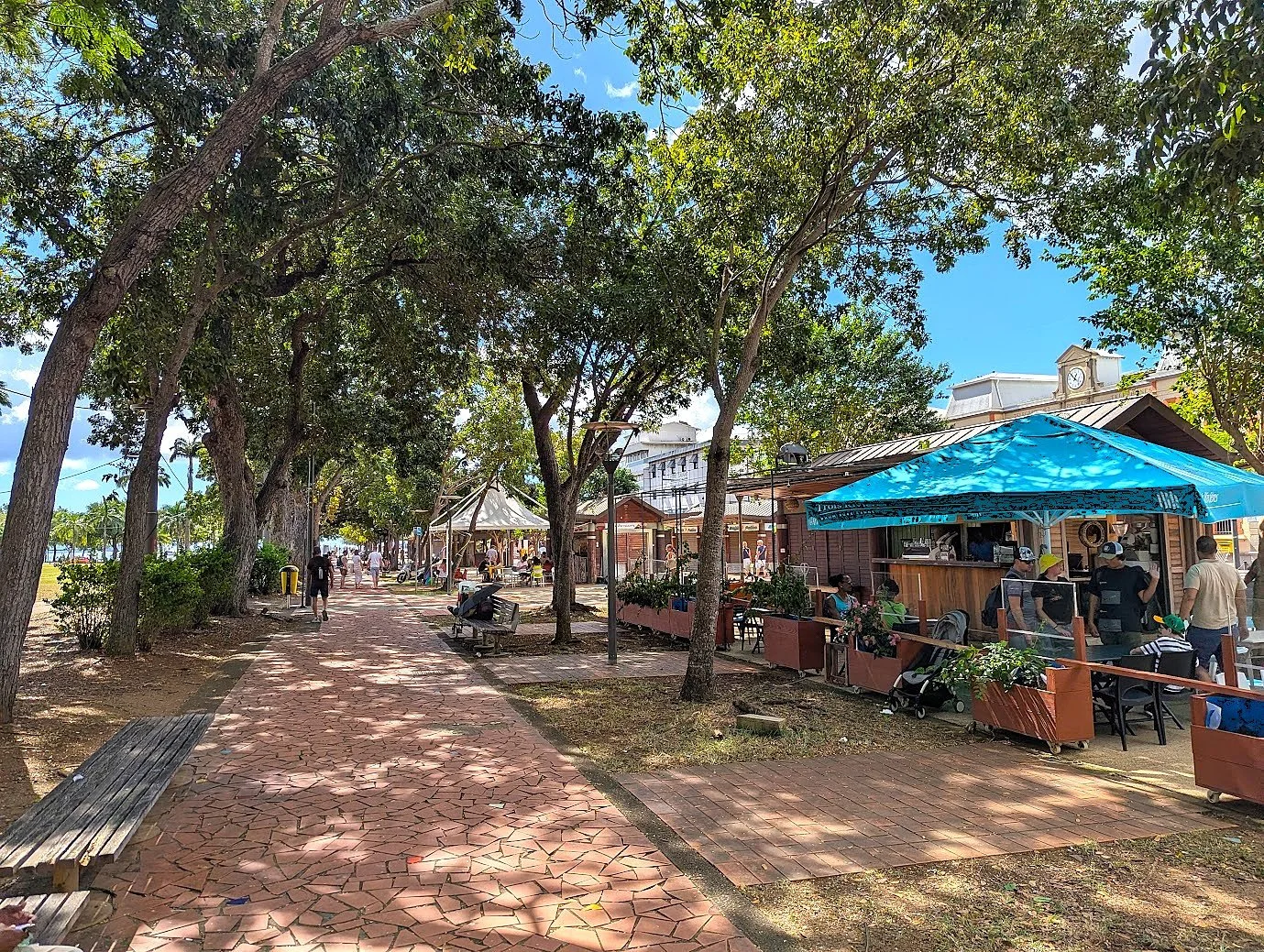
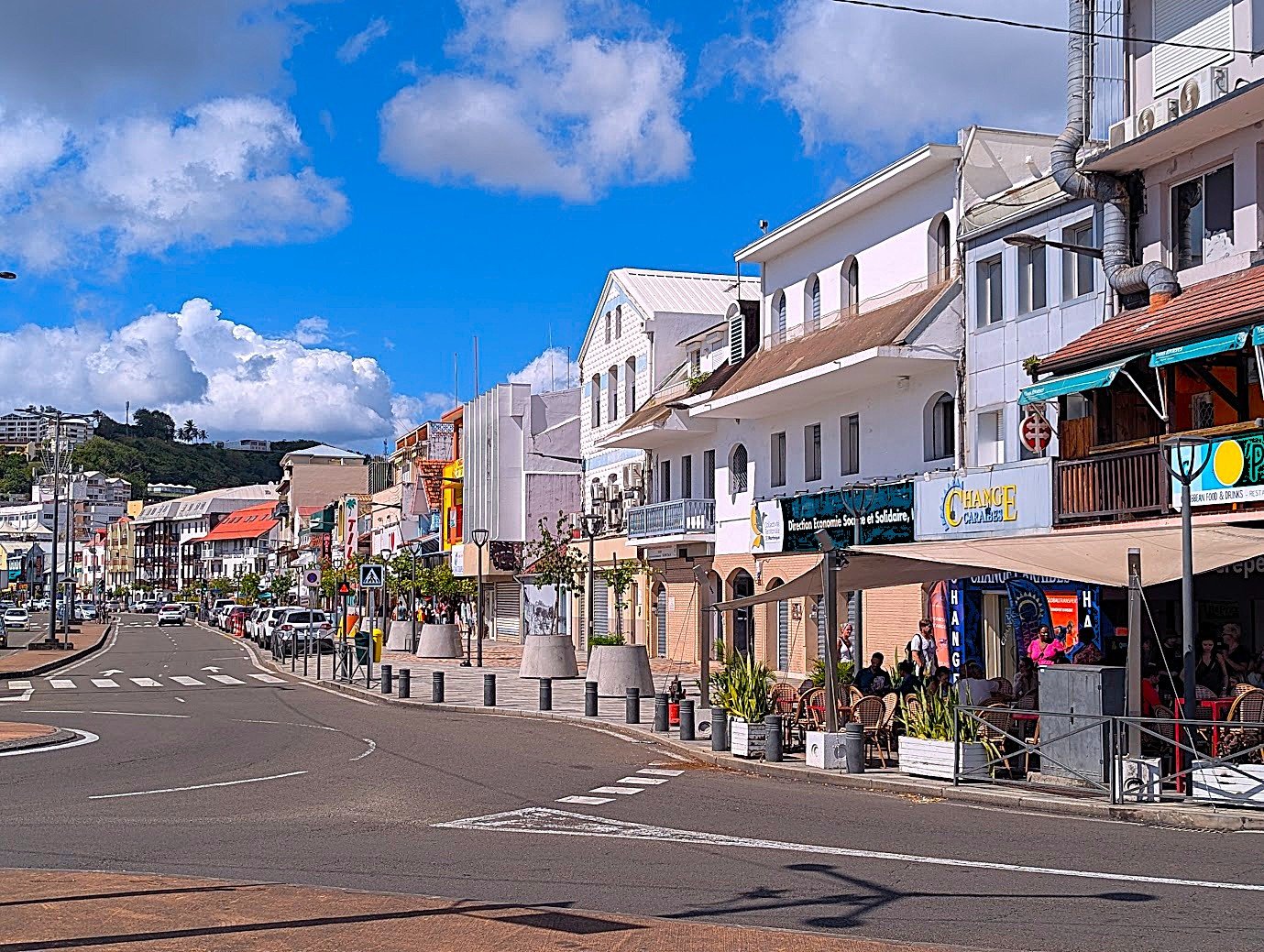
Many attractive views, local shops and cafes of the city are clustered along the waterfront near the fort and La Savane Gardens. This 12-acre grassy field is shaded by large trees with walking paths, an outdoor market, a performance stage, and a nearby public beach. The two most prominent architectural structures in the area are the Schoelcher Library, a Byzantine structure originally built in Paris and moved to Martinique, and an impressive cathedral called the Church of Balata. There is no shortage of restaurants and small local establishments serving French pastries, crepes or Creole dishes flavored with spices, peppers, and curry.
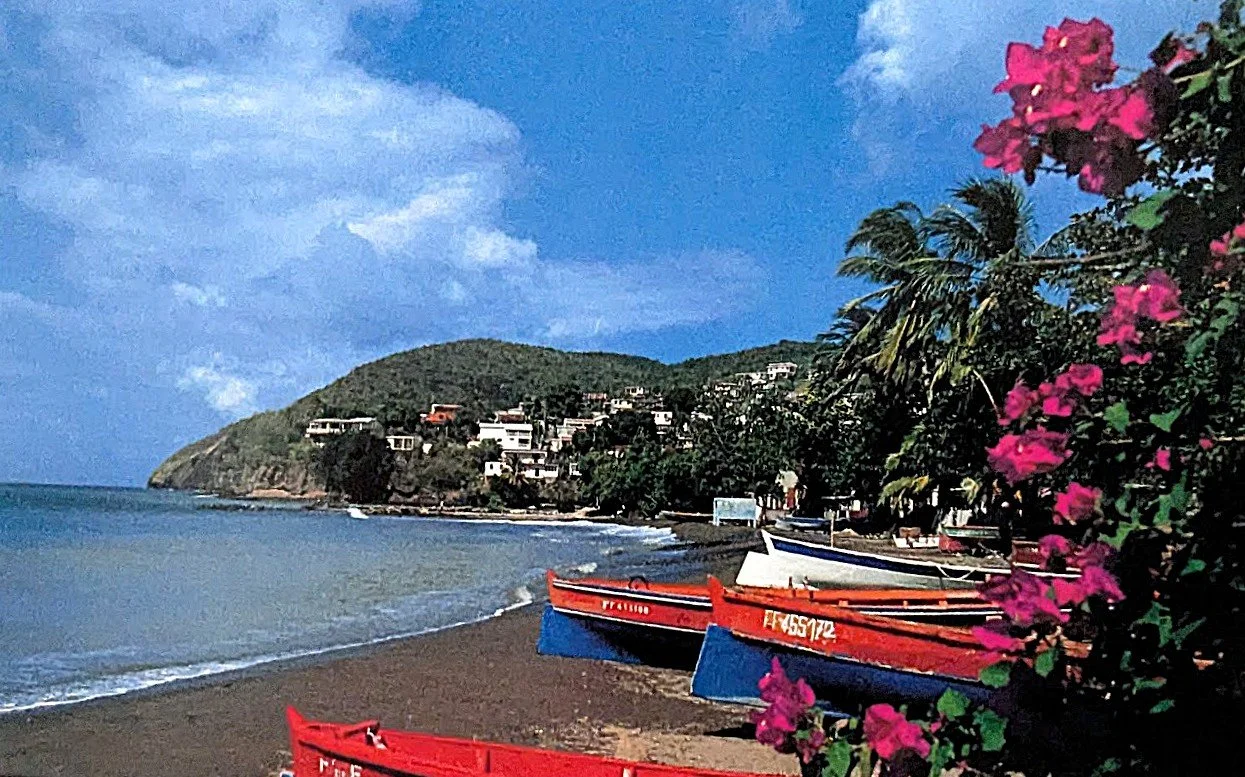
Touring the Island’s Unique Landmarks and Beaches- There are several unique features of the island worth seeing on a private tour of the island. These include:
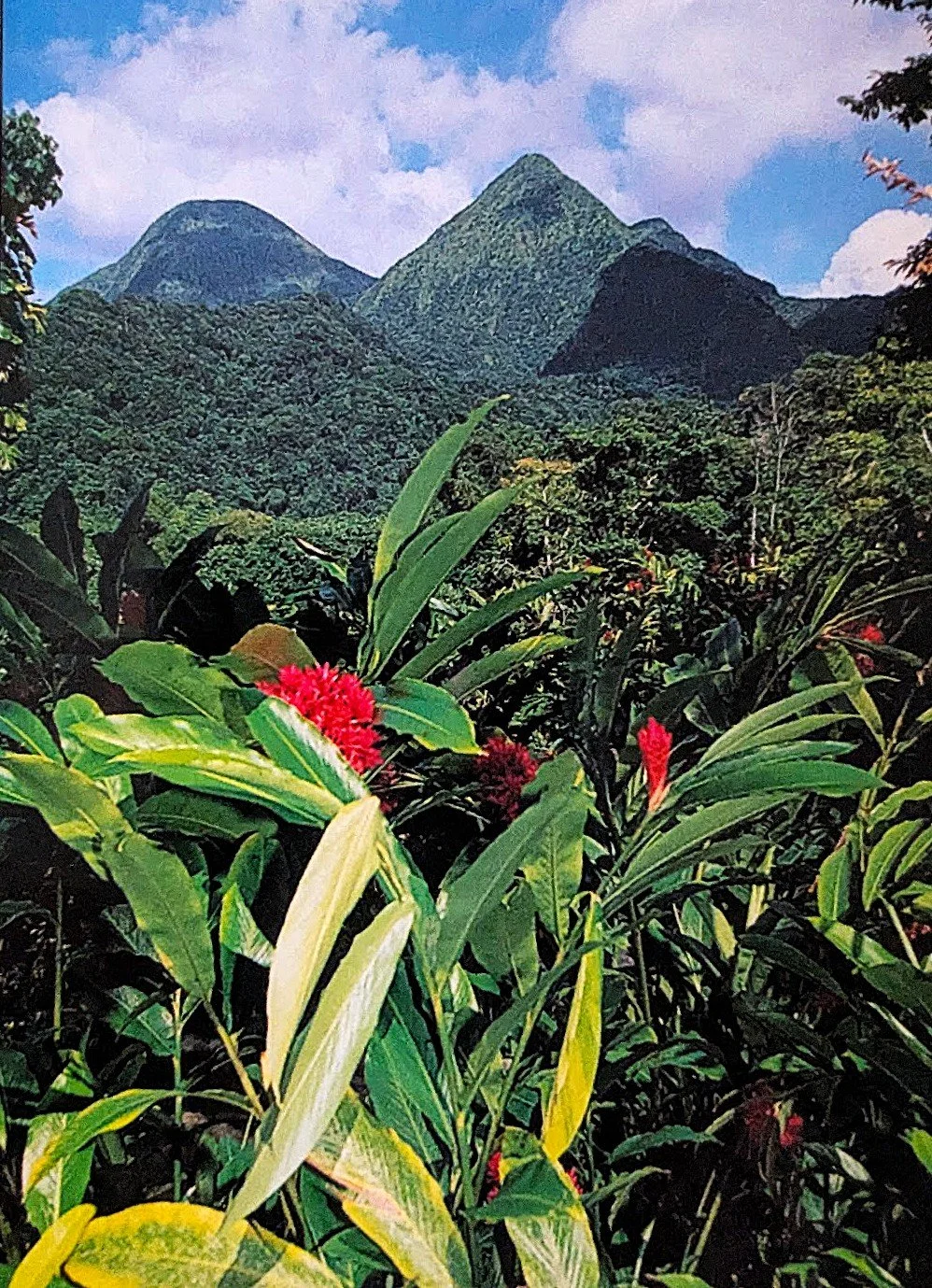
St Pierre and Mount Pelee- The coastal road running north from Fort-de-France leads to the town of St. Pierre which served as the original capital and commercial center of the island. This thriving town was destroyed in 1902 by a devastating eruption of Mount Pelee which killed an estimated 30,000 people and left only three known survivors. The archeological zone there displays artifacts from the commercial buildings, churches and colonial homes buried by the lava and ash. Several small villages remain around the active volcano. For people interested in the geology and hiking, there are tours to the volcano which is located about 25 miles north of Fort-de-France. The area around the volcano features several other piton landmarks.
Rum Distillaries- Another popular excursion on the island is to do a tour of one of the island’s many respected distilleries to see the production process and tasting of their products including rum infused cakes.
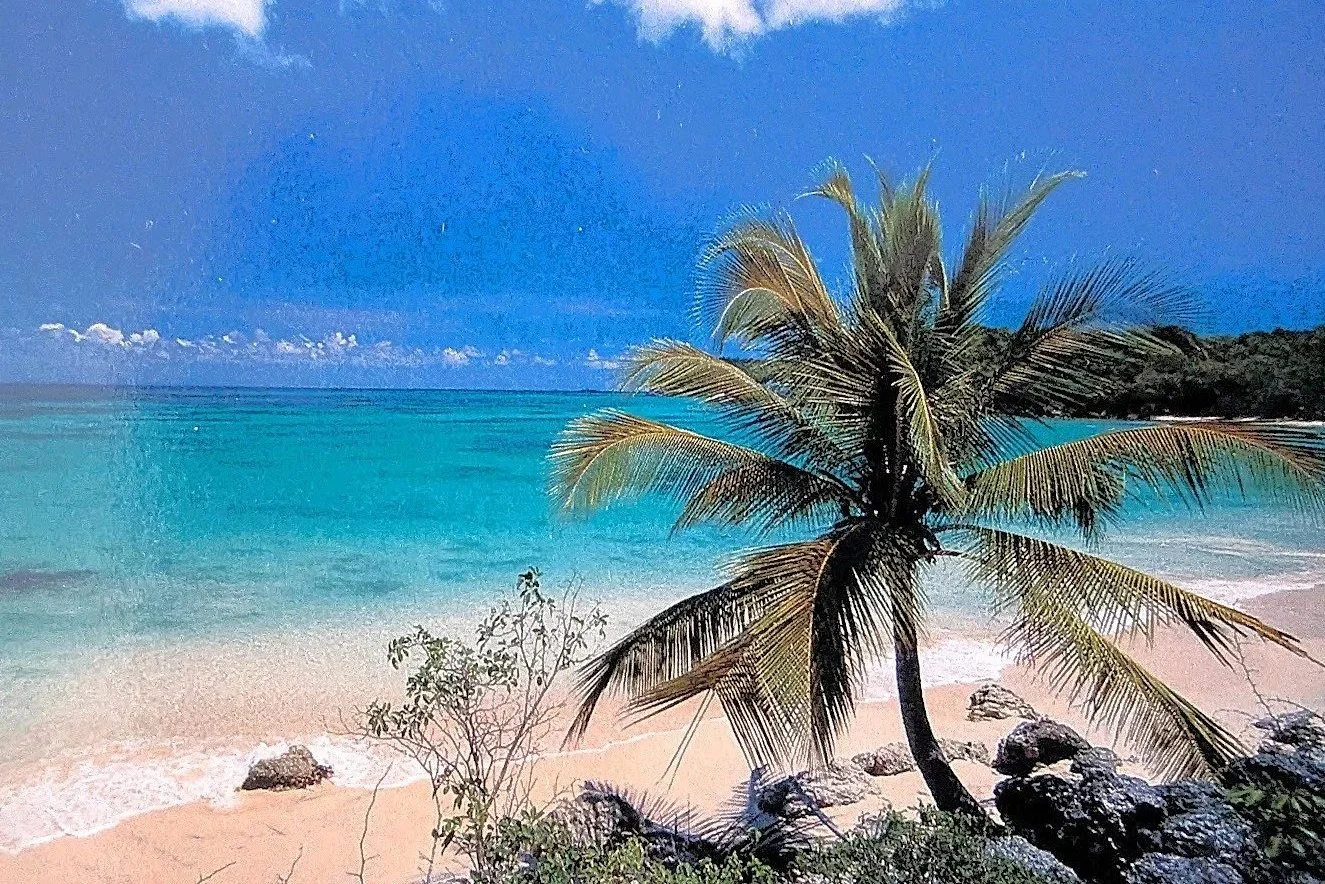
Beaches- There are an abundance of beautiful beaches to visit on the island which claims to have 365 beaches – one for every day of the year. The most popular one with a long stretch of white sand surrounded by turquoise water and coconut trees with snack bars and some facilities is Plage des Salines. La Pointe Marin is often cited as the best beach for children because of its gentle waves, shade from nearby palm trees, clear waters, and facilities. Closer to Fort-de-France is the La Francaise Beach which can be used for sunbathing and wading but lacks chairs or beach umbrellas.
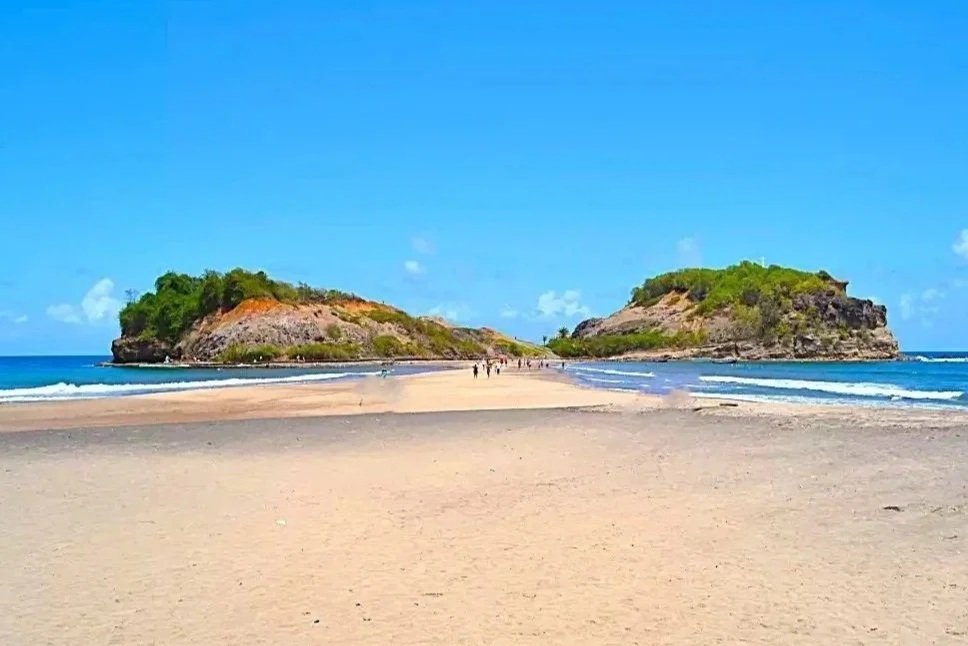
Tombolo- Martinique also has an interesting natural feature called a tombolo which is a strip of sand sometimes under and sometimes above the water that connects two land areas such as a coast and an island. The tombolo in Martinique appears seasonally during the winter months starting in November when heavy swells build up the sand. It is located about 45 minutes from Fort-de-France in Sainte-Marie. Some people enjoy walking over the strip during lower tides with a guide or using proper caution to avoid the nearby currents.