Chicago Provides First-Rate Activities and Commercial Opportunities to America’s Heartland
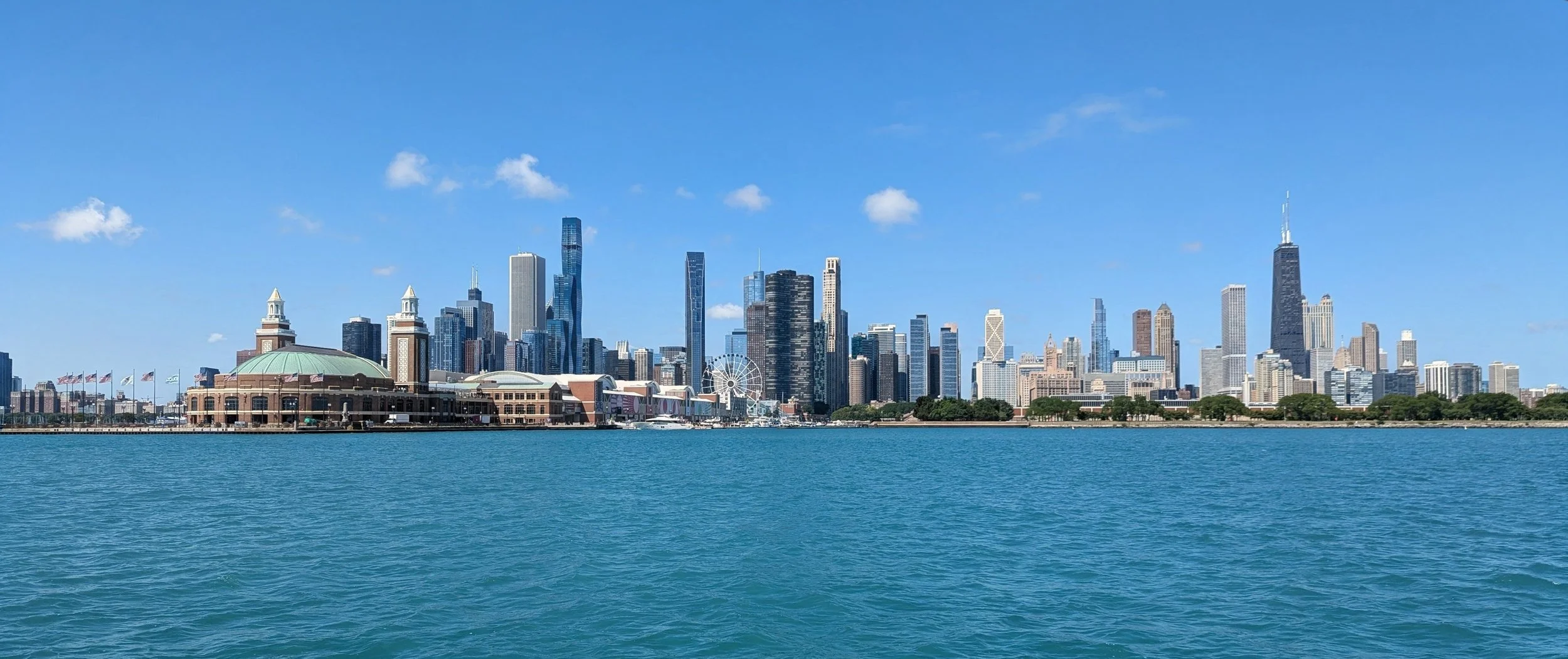
America’s Heartland is the section of the United States located in the Midwest and the Great Plains. This region has a different identity from the Atlantic and Pacific coasts because of its focus on manufacturing, farming, and small-town life. But the economic power and cultural roots of the region lie in the city of Chicago which has a metropolitan area population of 9.4 million people and remains the third largest city in the country. Ever since the city started as a frontier town in the early 1800s, its location on Lake Michigan and connections through various rivers to other settlements have made it a magnet for settlers and a center for commerce. With a vibrant downtown on the Chicago River and an incredible array of landmarks, museums, and attractions, Chicago welcomes over fifty-five million visitors each year and is consistently rated as one of the top five places to visit in the United States.
CHICAGO WAS TRANSFORMED FROM A FRONTIER TOWN INTO A LEADING METROPOLIS AND INDUSTRIAL POWERHOUSE AFTER OVERCOMING TRAGEDIES
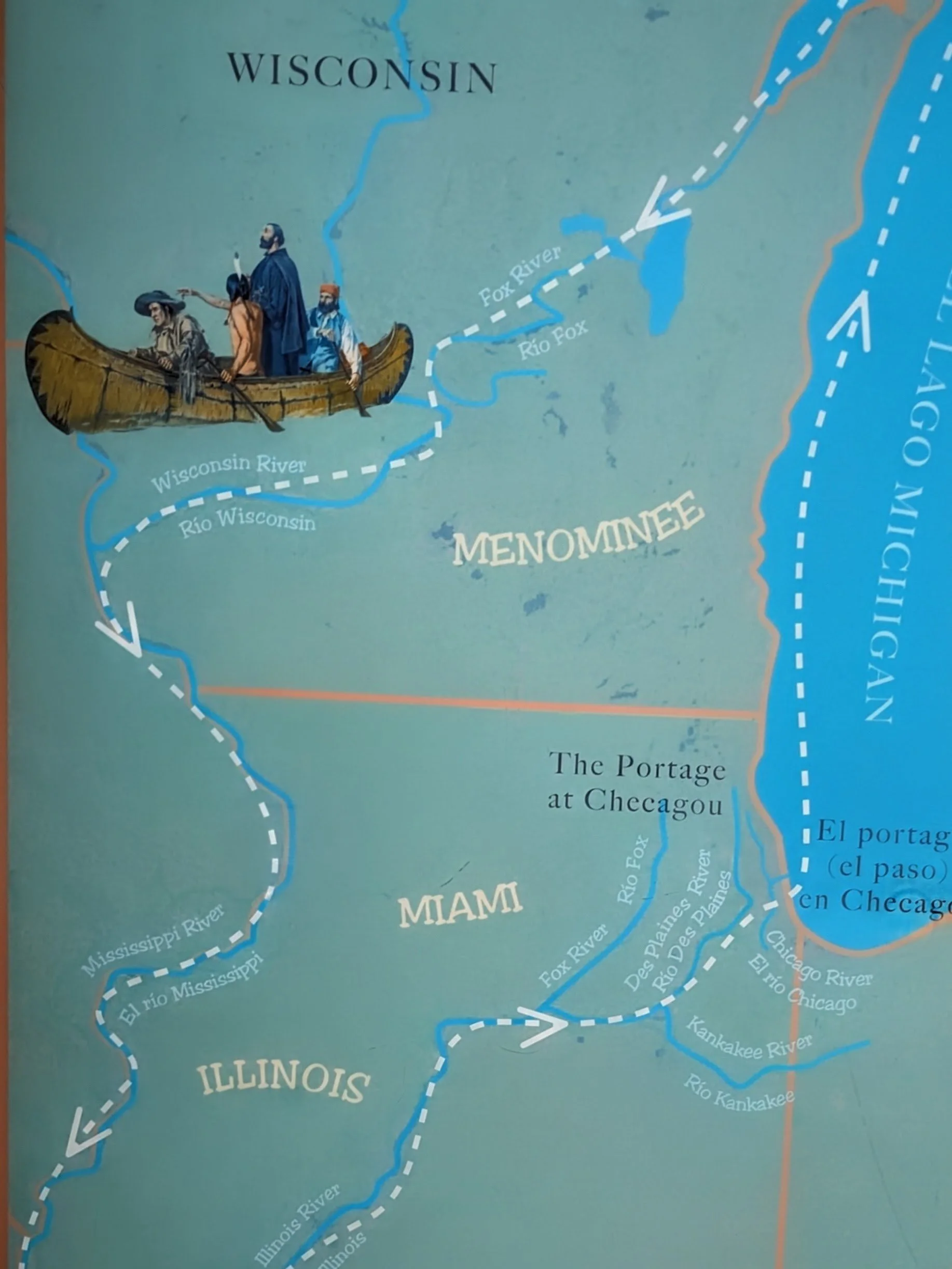
Early Settlement- Native American peoples were the first inhabitants of the Chicago area but in the late 1700s fur trappers and traders began to frequent the region. One man of African descent, Jean Baptiste Point DuSable, established a cabin and trading complex along the river. DuSable and his successor John Kinzie, traded food and dry goods with French and Indian trappers. After the young American nation signed the Treaty of Greenville in 1795 with several Indian tribes, key tracts in the area opened for settlement and safe river passage. These lands included a “piece of land six miles square on the Chikago River” which was developed into a fort and trading center known as Fort Dearborn. Few people would have predicted a bright future for the settlement which still had only 350 people in 1833.
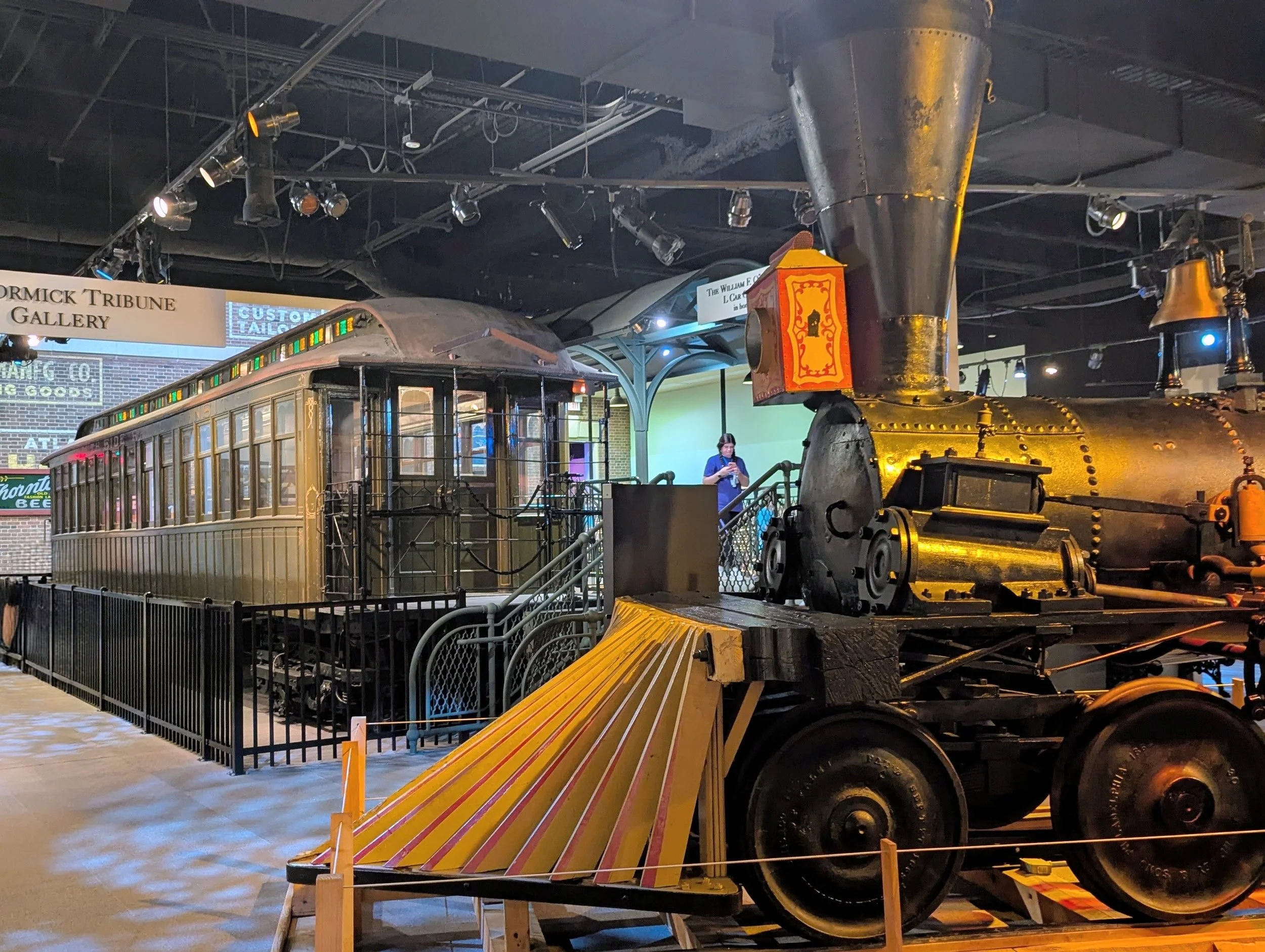
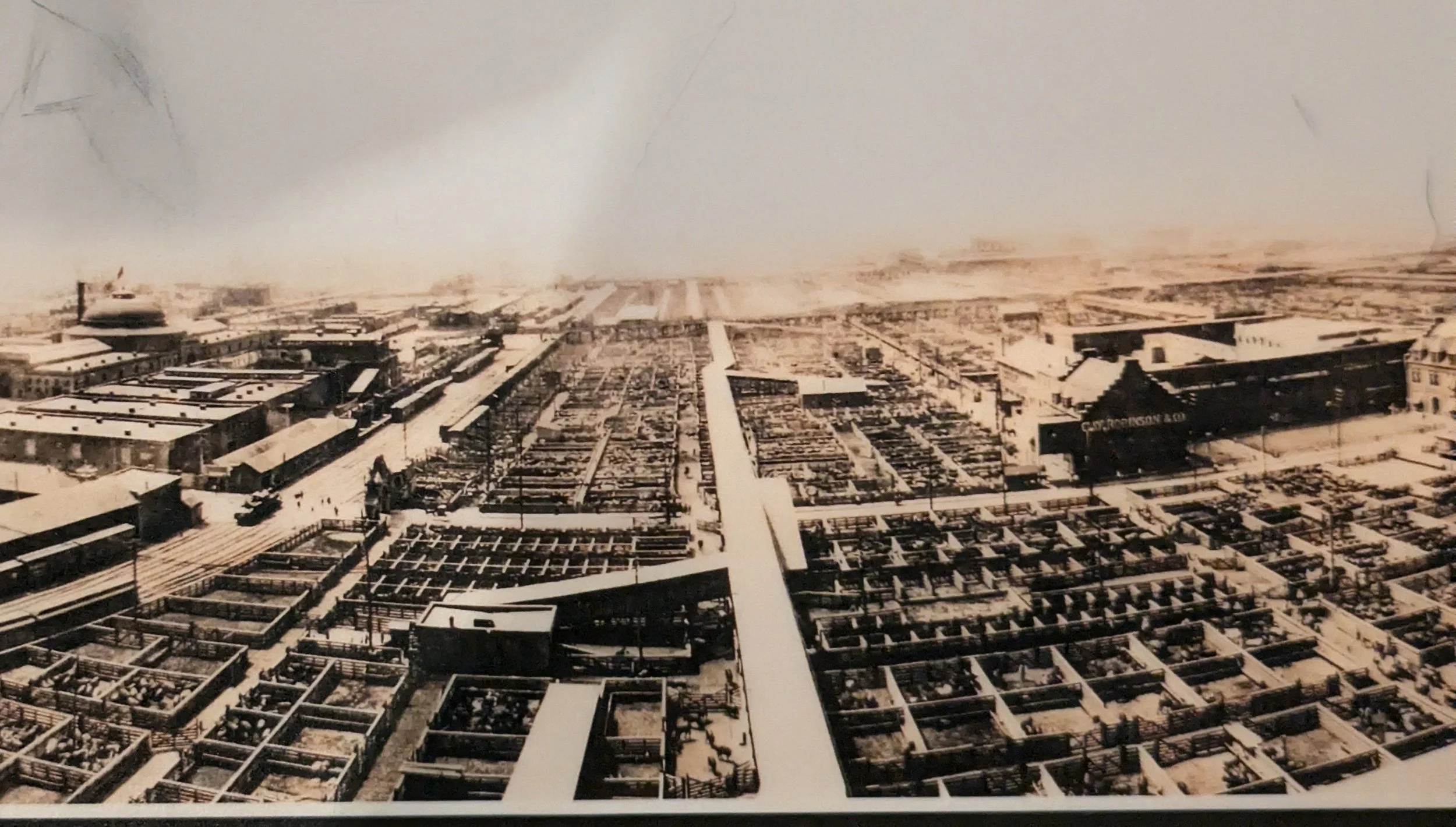
Strategic Location and Leading Industries -The succeeding decades saw the city use its strategic location, new canals and railroad connections, a steady supply of new immigrants, and a haphazard construction boom to grow into a major city of more than 100,000 people. Several important industries that lasted over one hundred years as major employers flourished there because of their transportation resources. Iron and steel plants tapped raw materials from the region including limestone from Indiana and iron ore from Michigan. More than sixty breweries employed workers with skills from the Old World and grain from surrounding states to produce over one hundred million gallons of beer annually that was consumed in the city’s taverns before and during the Prohibition era. A third industry that once sprawled across miles of the interior rivers and land holdings was the facilities of the Union Stock Yard and the Packingtown meat packing plants. These large complexes imported cattle, hogs, and sheep from the central United States for processing into meat and all kinds of beef, pork, and lamb products.
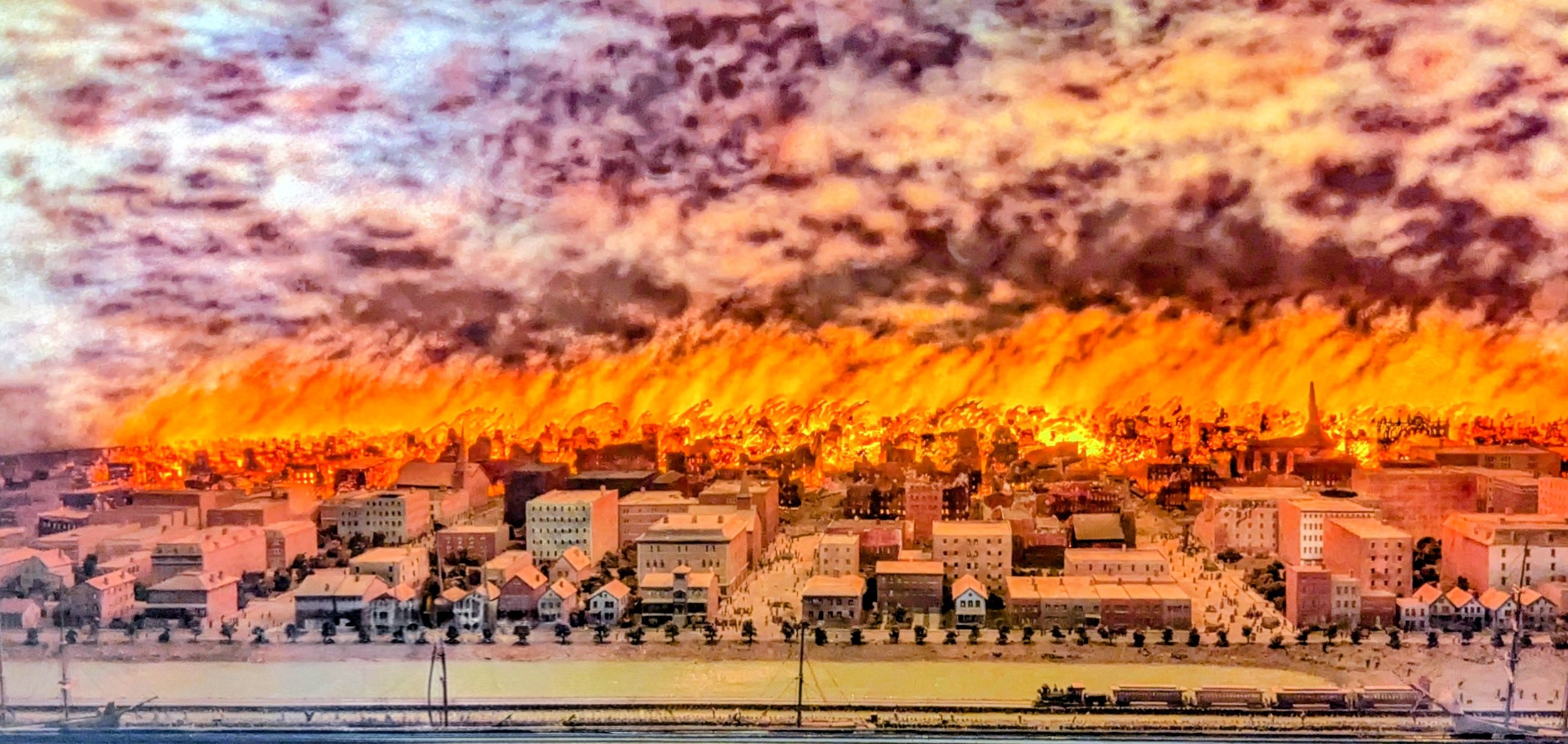
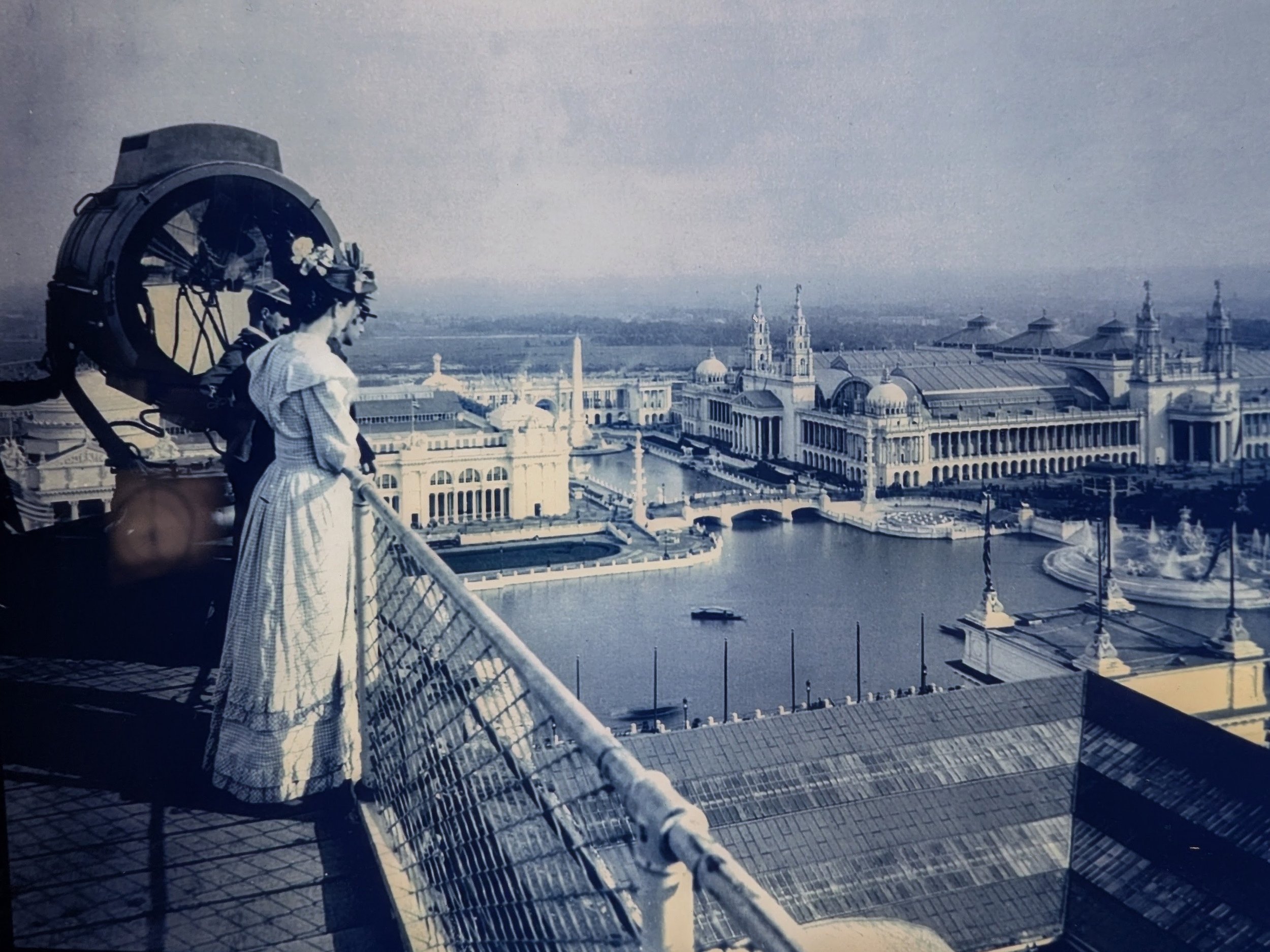
Setbacks and Revivals Create a Great City - The process of becoming one of America's great cities was full of setbacks and revivals. First, the Great Fire of 1871 killed over three hundred people, destroyed over 18,000 buildings, and left about one third of the population homeless. This tragedy was followed by an amazing recovery as modern construction methods were used to rebuild the downtown area and improve housing conditions. By 1893, the holding of the World Columbian Exposition in Chicago allowed the city to display spectacular white buildings, water pavilions, and electric lighting to more than twenty-seven million visitors. The festival gave Chicago a new sense of pride and attracted major companies and corporate skyscrapers to the area. One of those great companies, Western Electric, became tarnished when the renovated steamboat Eastland, docked on the Chicago River for a company outing in 1896, capsized. The sinking claimed the lives of 844 company workers and their families and was the second deadliest maritime disaster in American history. Similarly, the publication in 1906 of Upton Sinclair's book "The Jungle" about conditions for meat processing and food handling in the Chicago stockyards shocked customers and led to the creation of the Food and Drug Act to regulate food processing. Chicago's image was damaged by these incidents as was its association with criminal enterprises and corrupt politicians during the Prohibition era. Despite these setbacks, the remainder of the 20th century and the 21st century were times of continued economic strength and growth because of downtown renewal and the transformation of industrial work from manufacturing to finance, professional services, technology, and healthcare.
THINGS TO DO IN CHICAGO
There are dozens of attractions in Chicago to consider visiting. Here there are eight kinds of activities worth pursuing in a short three-to-five-day visit to the city.
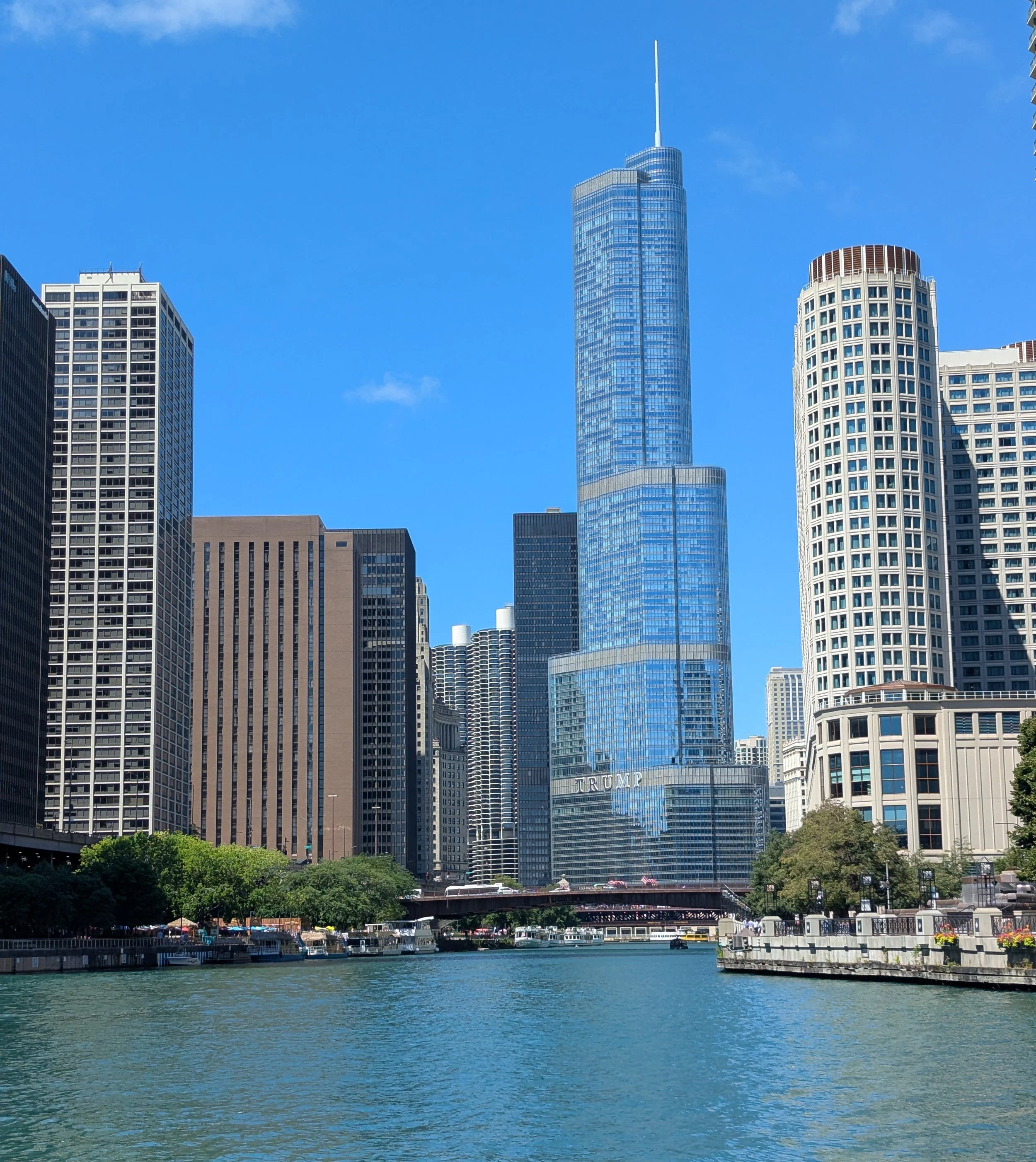
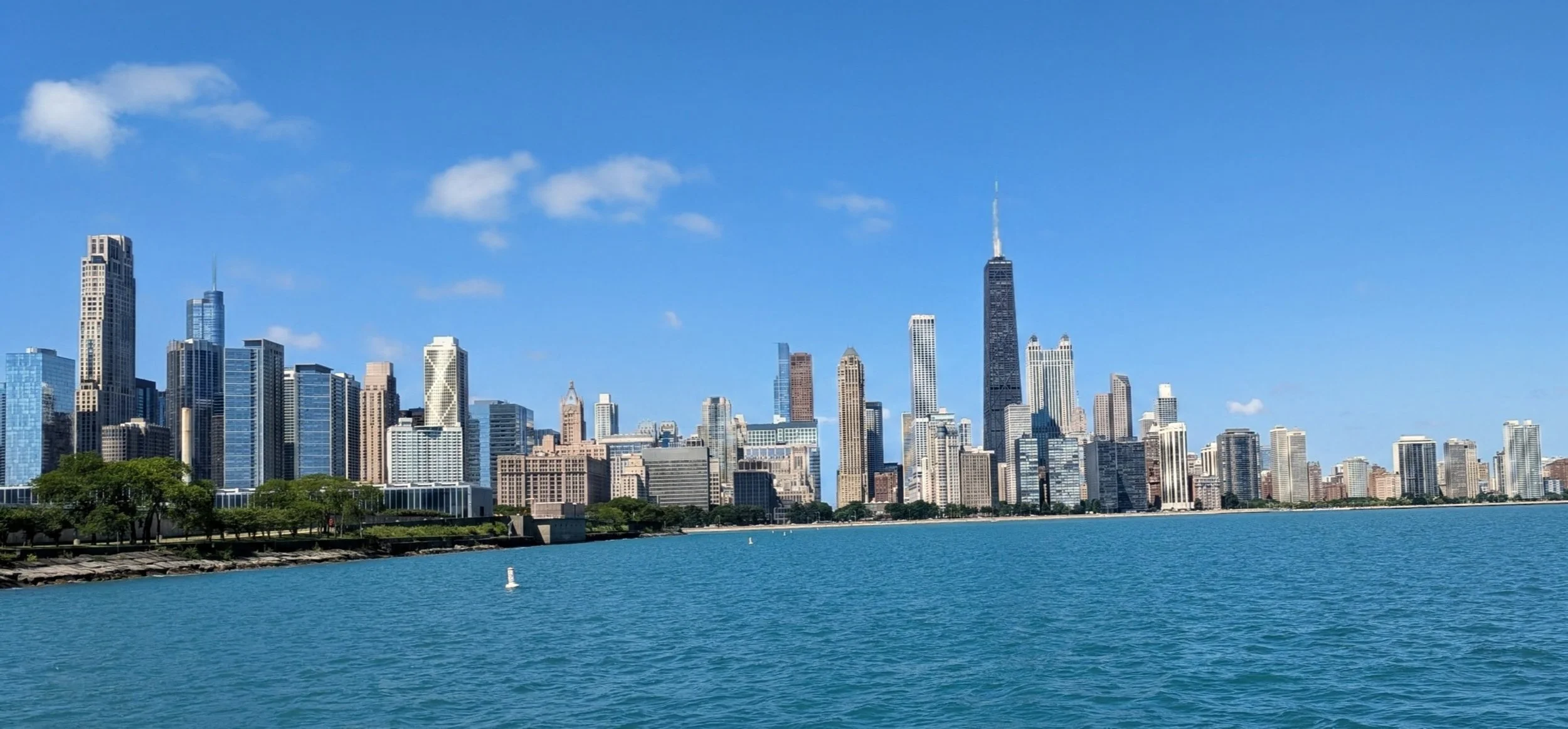
Visit the Riverfront and Lakefront on a Short-Day Trip- One way to get oriented to the grandeur and scenery of the city is to take a cruise on the Chicago River and Lake Michigan. Some companies have small ferries and riverboats that dock on the river near the Michigan Avenue Bridge and offer ninety-minute narrated cruises on double-decker ships with both indoor and outdoor seating. One excellent company is Wendella Boats, which offers outstanding views of the architectural wonders and famous buildings of the downtown from the river. The cruise then passes through the Chicago River Locks and goes along the lakefront showing passengers spectacular views of the city skyline. There are day tours and sunset cruises which provide an outstanding experience. For outdoor enthusiasts, there are kayak and canoe rentals available to ply the river on your own.
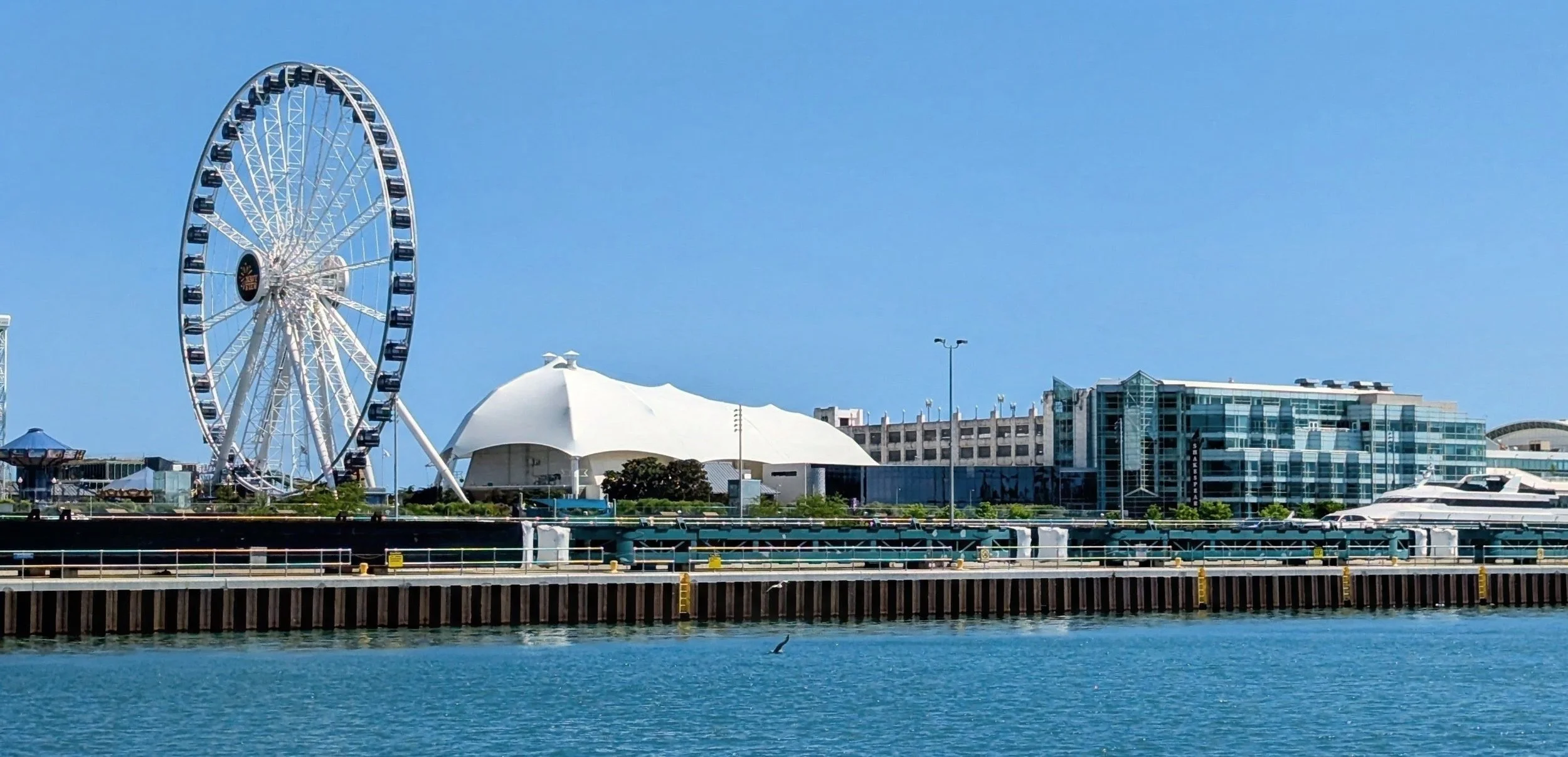
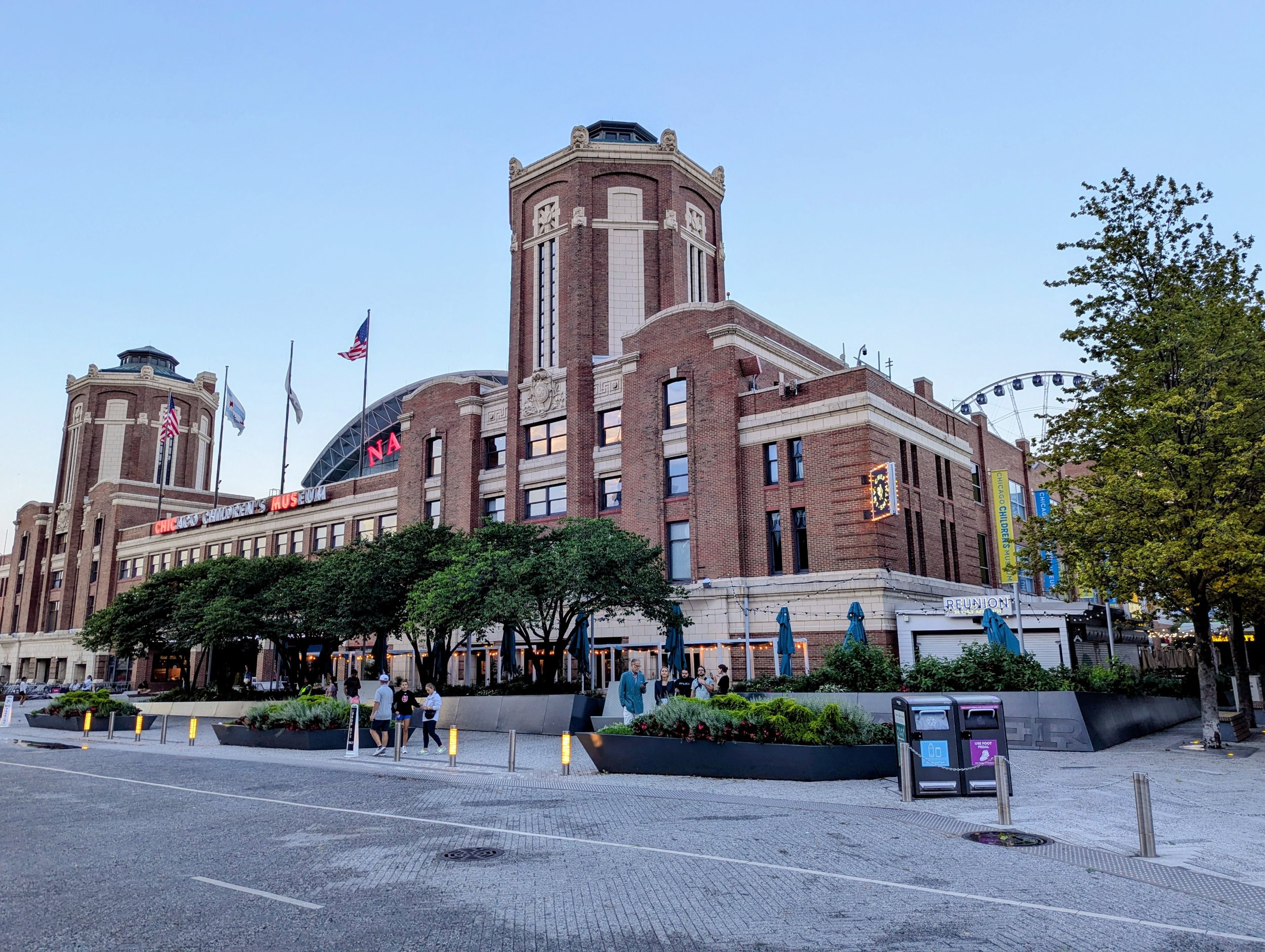
Explore Family Time at the Navy Pier- The Navy Pier is a fifty-acre piece of land that extends out from the Streeterville section of the city almost 3300 feet into Lake Michigan just north of the Chicago River Locks. This man-made structure was built on a combination of wooden pilings driven into the mud along with stones and fill from the surrounding waters. A massive concrete and steel structure was placed on top to support buildings, roads, and walkways. The area served as a pier for commercial shipping and a navy landing strip from 1916 until 1995 when it was redesigned as a festival area. Major improvements made in 2016 created the maritime and entertainment district now located there which attracts more than nine million visitors each year. Some major attractions there are a Ferris Wheel, Viennese swings, carousel, fun house maze, and light tower ride suitable for families. During the day, there are tour boats and cruises docked there for trips to Lake Michigan. These attractions are supplemented by food pavilions and parks, concert areas, a popular Children Museum, and a Shakespeare Theater. The Sable Hotel at Navy Pier is a beautifully situated hotel with views of both the city and the Lake., located within a mile of the downtown.
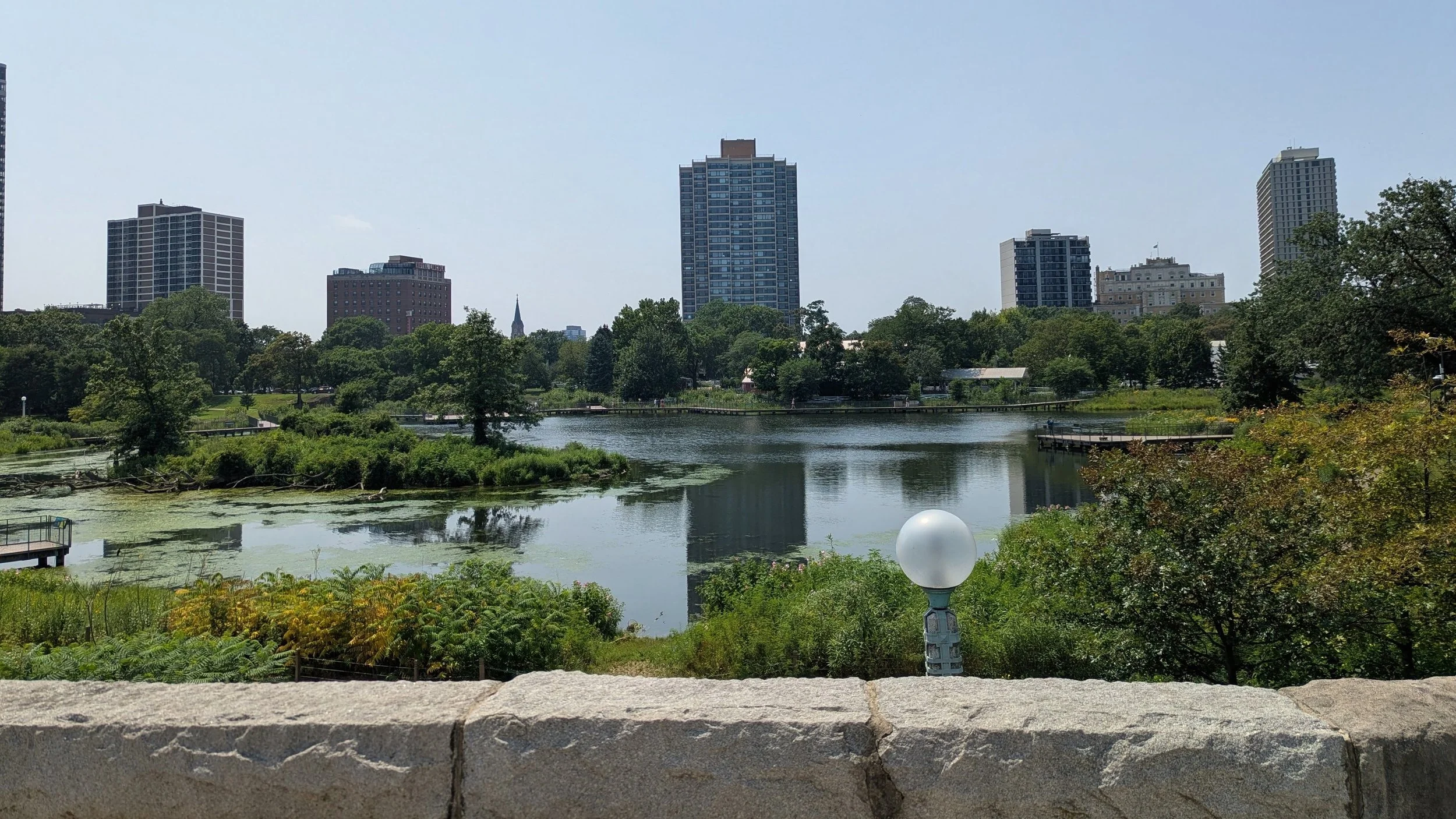
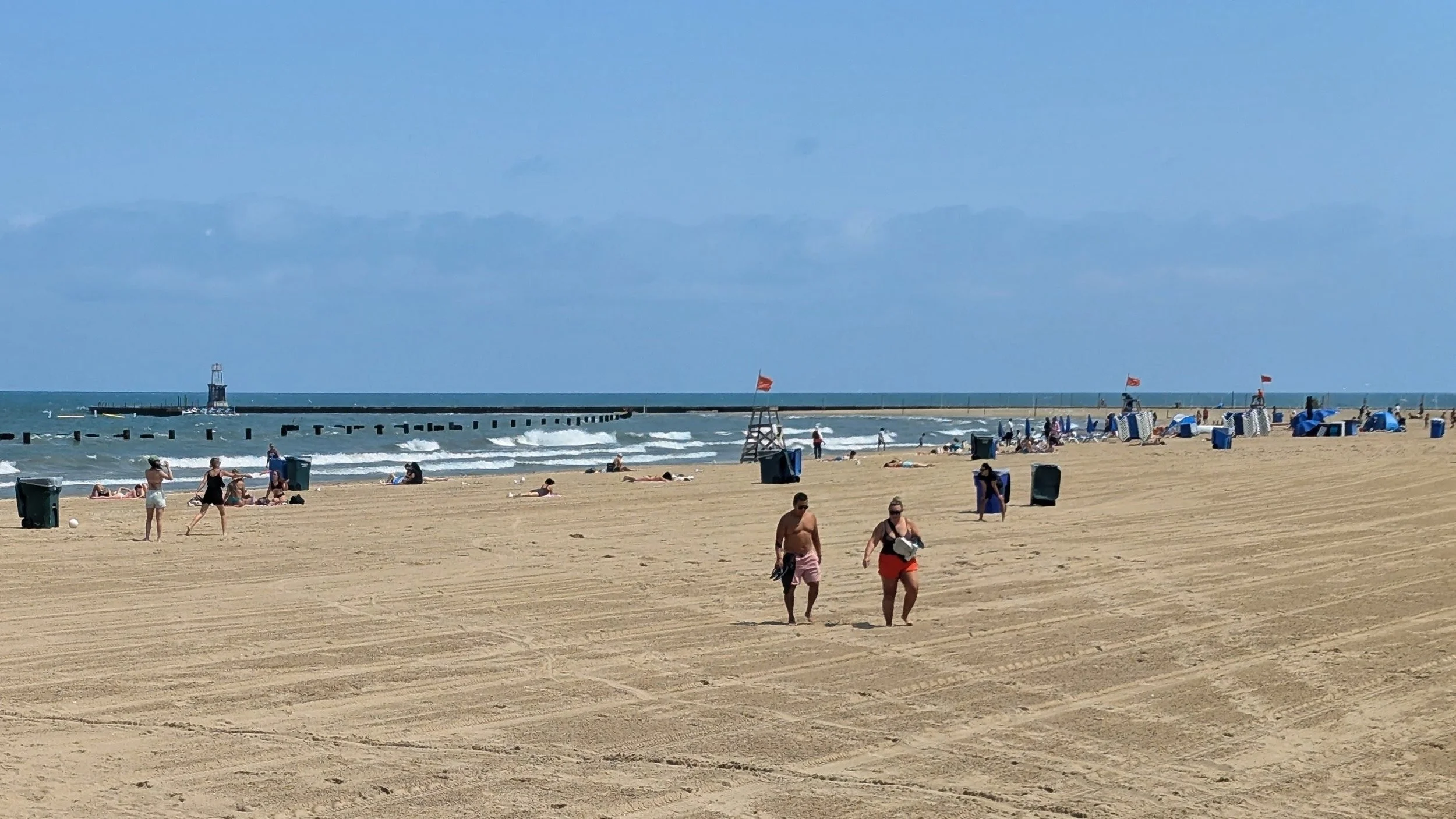
Stroll through Lincoln Park and the North Avenue Beach- Chicago's Lincoln Park and the North Avenue Beach are two excellent outdoor destinations worth visiting about four miles north of the downtown business district. The park, located near a popular residential area, is oriented towards nature and wildlife. When the park was established in the 1800s, one of its features was a pond often used for boating and ice skating adjacent to a large monument to President Ulysses S. Grant. Over time, the area deteriorated so part of the park was renovated into a 14-acre Nature Boardwalk which covers the pond and the surrounding ecosystem with a boardwalk that allows visitors to view flora and wildlife. The Boardwalk leads to a pavilion with cafes and facilities, and the Lincoln Park Zoo. The free admission zoo displays a surprising number of apes, birds, big cats, African beasts, and other animals in pleasant enclosures and habitats. After visiting the zoo and passing by President Grant's monument, it is a pleasant 1.5 mile walk through playing fields and over a highway overpass to the Chicago Lakefront Trail. Using the trail, you can walk south along a long stretch of sandy beach to the North Avenue Beach which has changing facilities, lifeguards, boats for rent, and a pier that extends out into the lake.
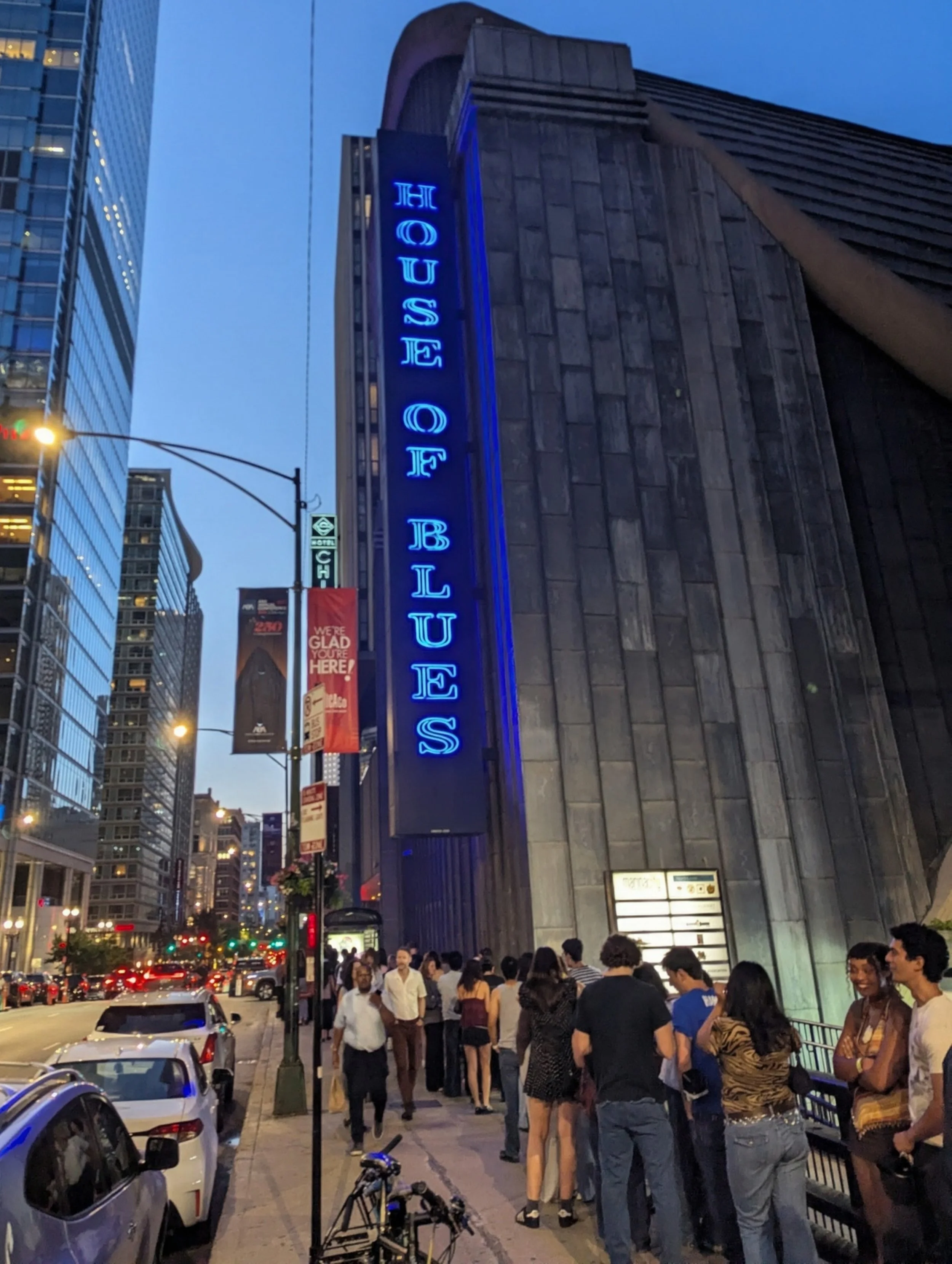
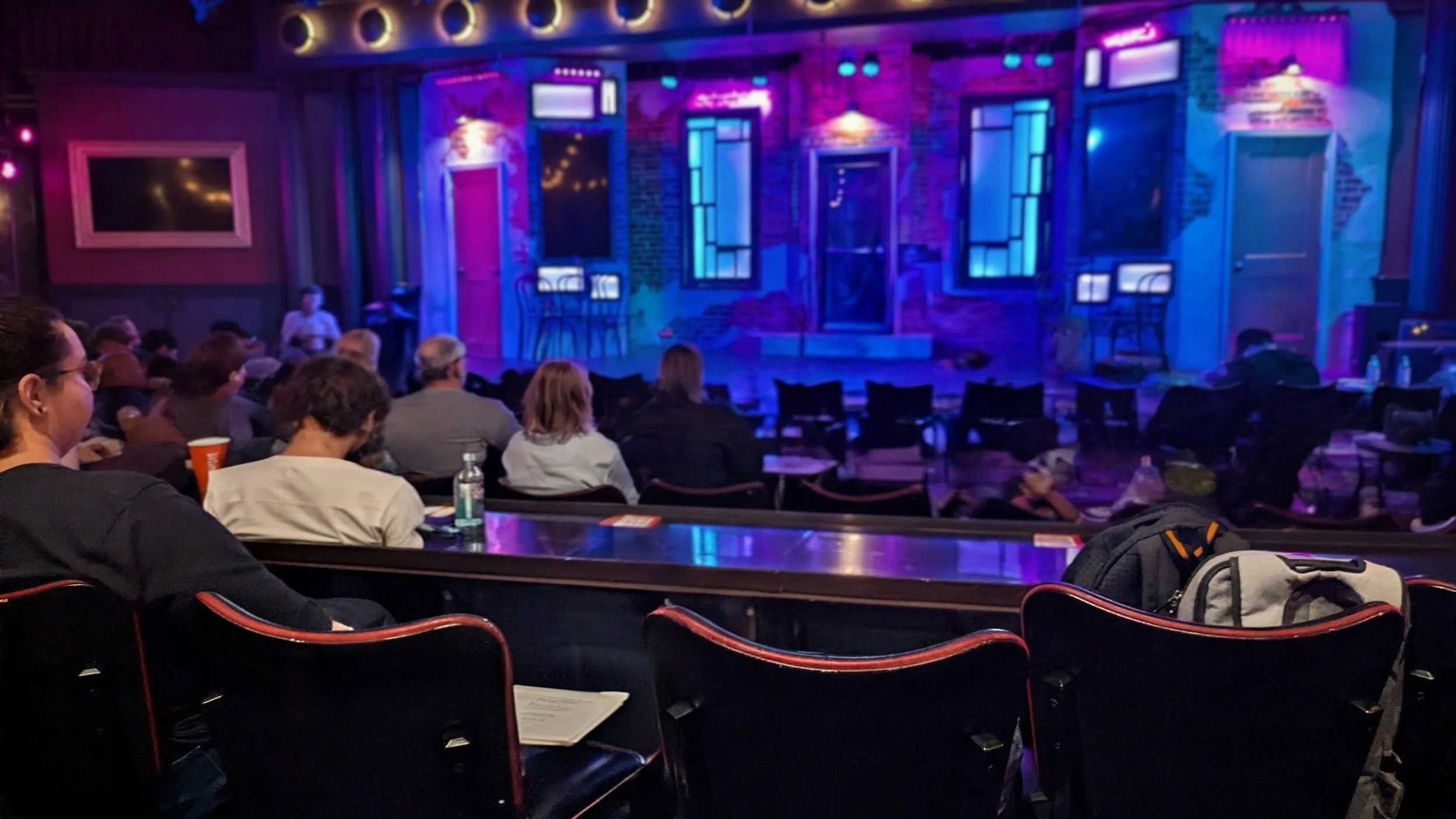
Enjoy the Chicago Nightlife- There is plenty of nightlife in Chicago as the restaurants and clubs there are full of patrons. There are also nightlife options that represent the heart and soul of Chicago. For generations, the clubs in the South Side of the city captured the edginess of blues and jazz music for locals. Now those genres of music plus modern derivatives can be heard at the House of Blues in the Marina City section of the city and downtown clubs like Buddy Guys Legends. Vibrant venues like Kingston Mines near Lincoln Park have a neighborhood feel and electric blues energy. If you are in the mood for comedy sketches, then The Second City complex offers improvisational theater by cast members and invited guests, as well as headliners seeking to achieve stardom like their predecessors at the famous club. Another option for after work or the nighttime is to head to the south side of the Chicago Riverwalk downtown and enjoy cafes, clubs, and people walking around and sitting out to enjoy the river activity.
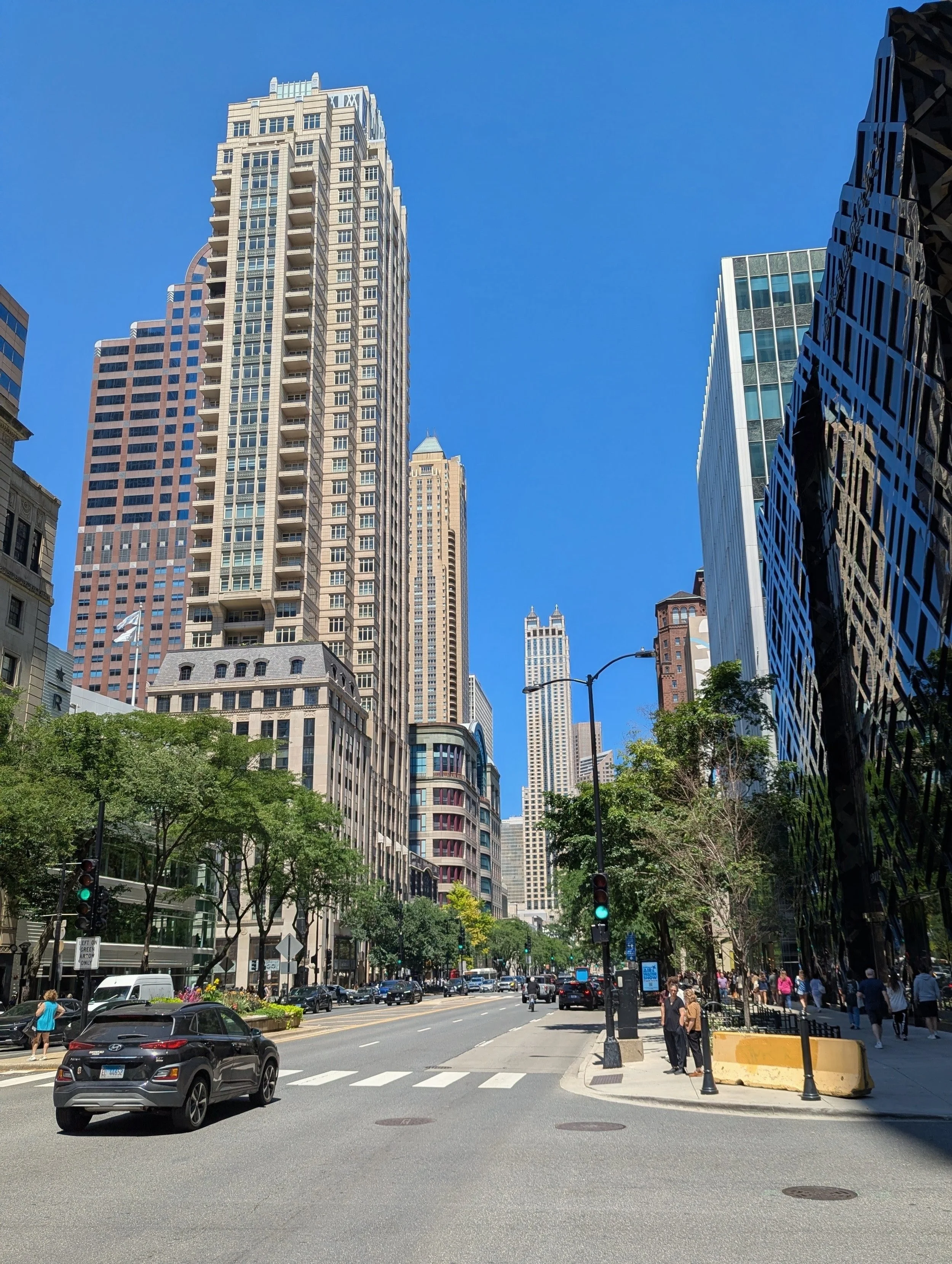
Shop on the Magnificent Mile- The Magnificent Mile is a downtown stretch of Michigan Avenue that begins as you cross over the Chicago River on the DuSable Bridge and continues as far as East Oak Street to the north. This area of department stores, historical buildings, hotels, and specialty stores is known as a popular place for meeting friends and enjoying city life. The most popular destinations there are the department stores of Nordstrom, Bloomingdale’s, and Saks Fifth Avenue, along with luxury brand stores for Gucci and Louis Vuitton and experience shops like Harry Potter. Some of the older buildings along the route have been repurposed and renovated into luxury residences, office places, and shops. Two well-known architectural structures are the impressive neo-Gothic Tribune Tower that formerly housed the Chicago Tribune newspaper and the Wrigley Building known for being the headquarters of the gum company. Traversing both sides of the Magnificent Mile is a wonderful way to feel the pace of the city and a beautiful place to relax at a cafe or coffee shop.
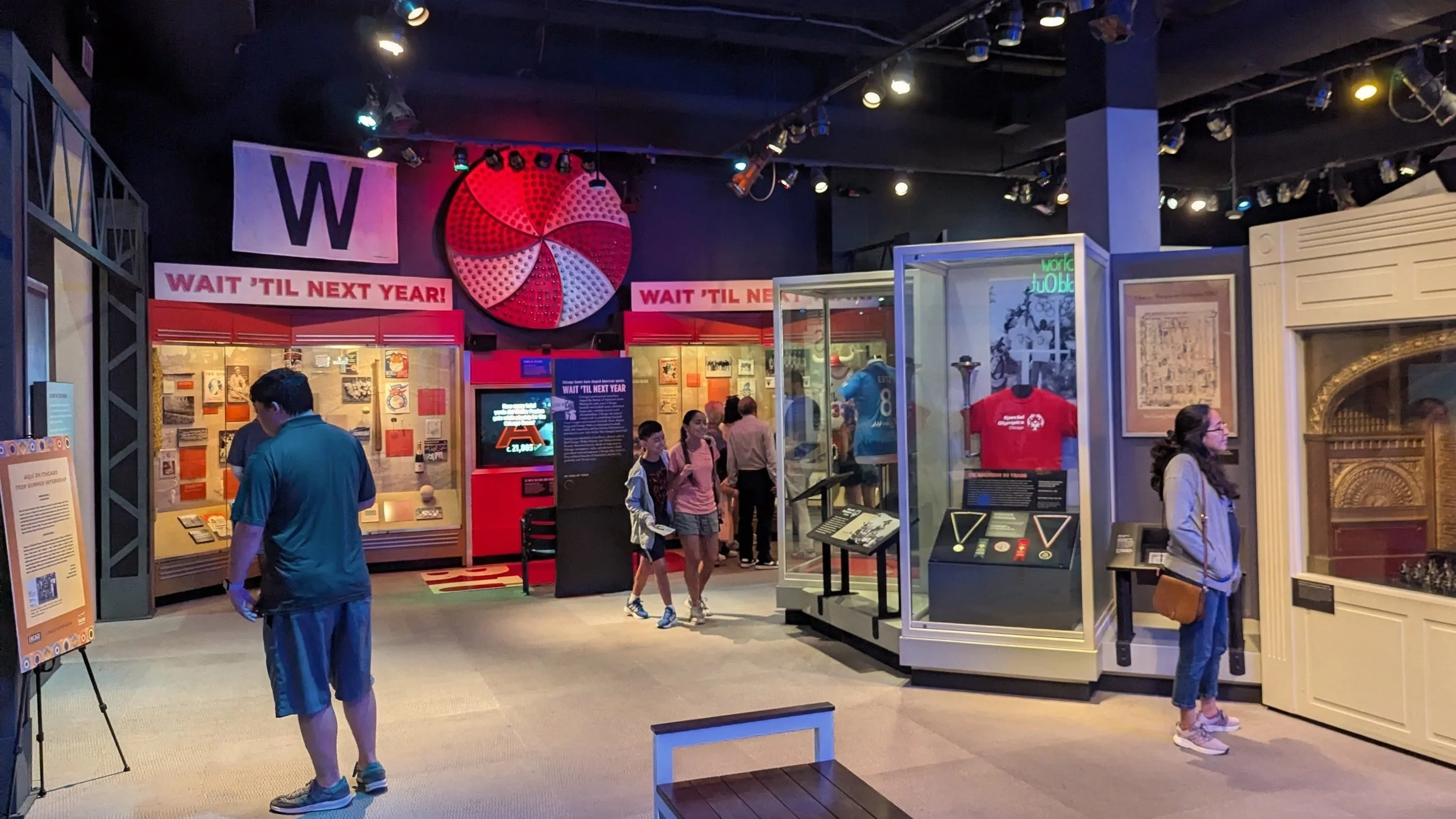
Reflect on the Past at the Chicago History Museum - When visiting Chicago, it is useful to include a trip to the Chicago History Museum located at the southern entrance of Lincoln Park close to North Lake Shore Drive. This two-story museum features an introductory movie about Chicago called " The Great Chicago Adventure" along with creative displays and dioramas of important Chicago events through the years. Special exhibits presented from time to time might present scenes from the lives of people in the Latino community or the evolution of jazz and blues in Chicago clubs, or the city's connections to Abraham Lincoln. Amenities at the museum include a pleasant cafe, a museum store and lecture halls.
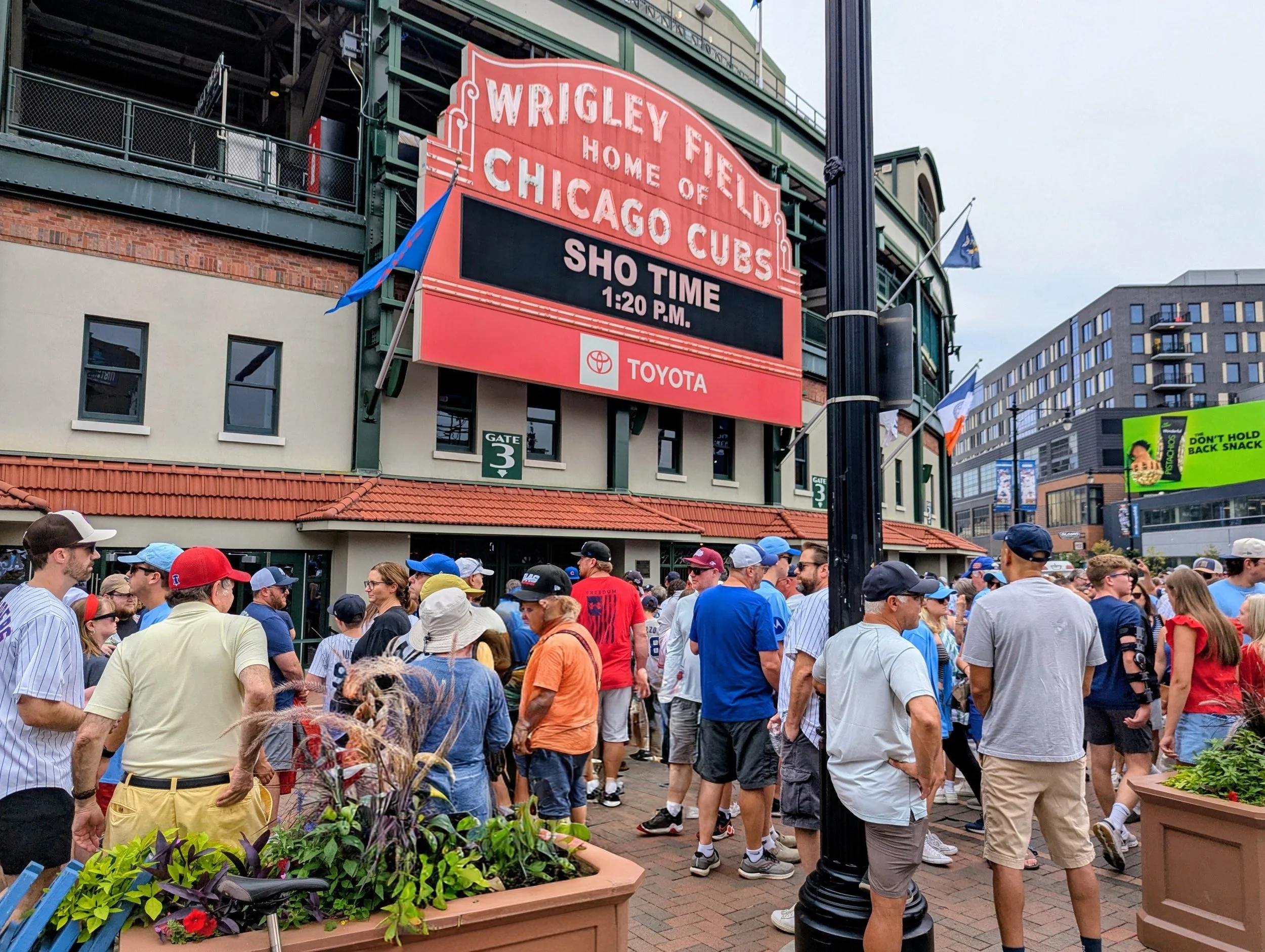
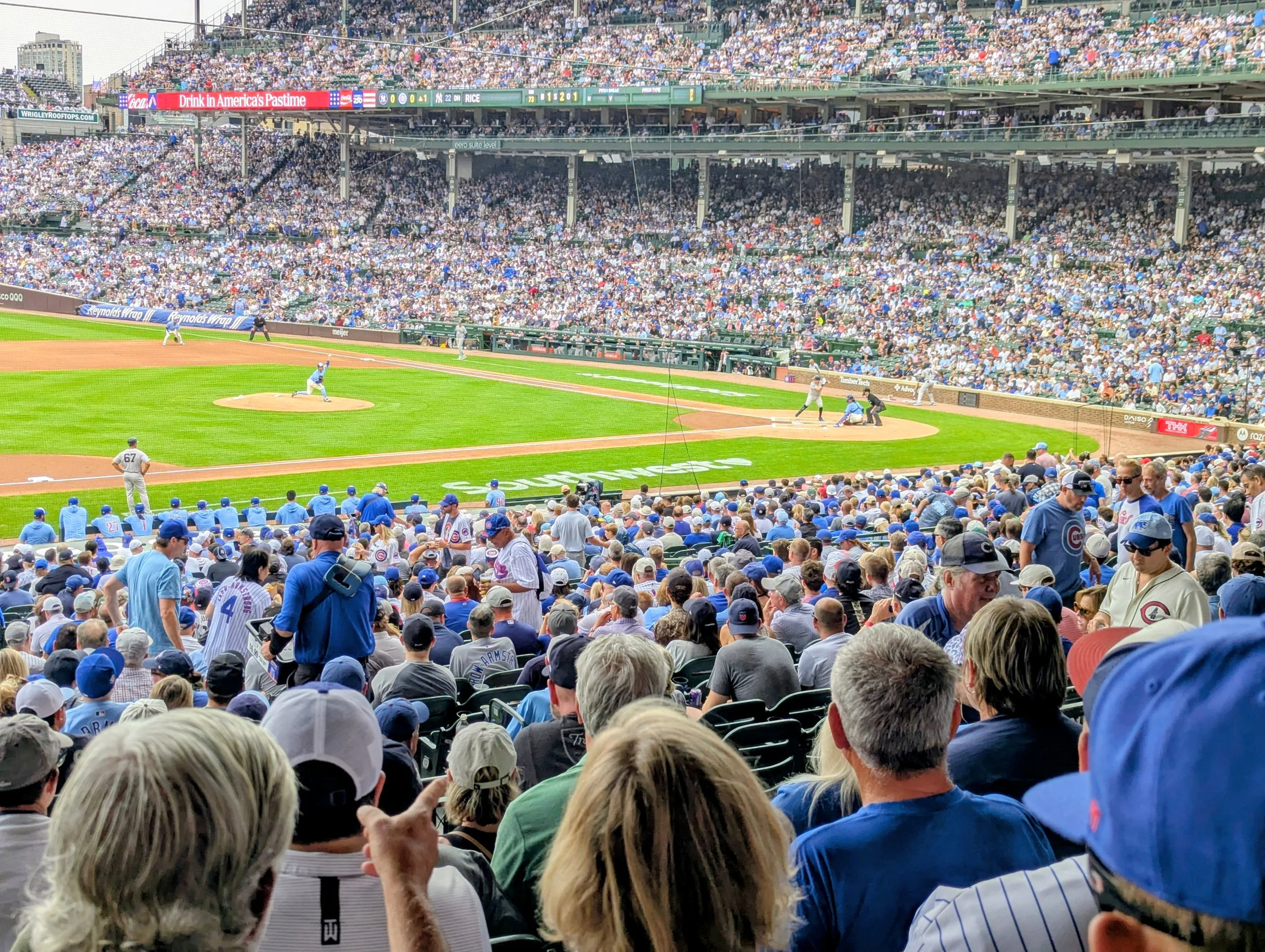
Go to a Cubs Game - Chicago is an enthusiastic sports city which has won the third most major championships among American and Canadian cities in the major sports. Chicago has won titles in NFL football (11 titles including pre-Super Bowl championships), NBA basketball (6 all in the Jordan era), NHL hockey (6) and MLB baseball (6). The city MLS soccer team has yet to win a championship but draws well to its matches at Soldier Field. Visitors to the city during the spring and summer tend to go to Cubs games at the iconic Wrigley Field. Studies show that 37 percent of the people who attend a game there are from out of state and 63 percent are from Chicago neighborhoods and local suburbs. While hundreds of millions of dollars have been spent on stadium amenities and neighborhood improvements in recent years, it is the ivy walls and local charm that appeal most to baseball aficionados. With ten playoff appearances in the last 25 years and one world championship in 2005, the Cubs remain a popular event in the city. The team draws over 2.5 million fans per year and places in the top five clubs for attendance in 2025.
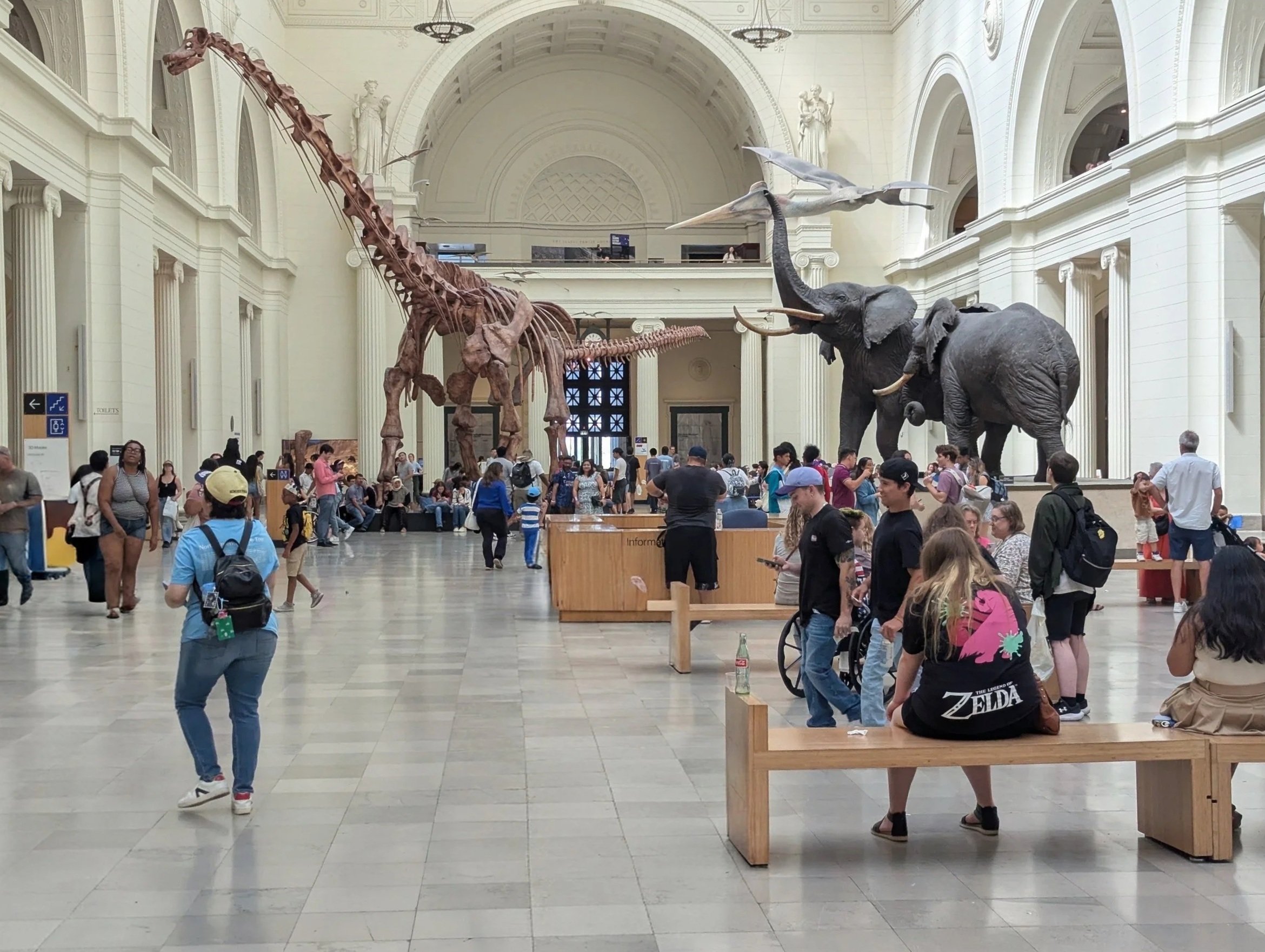
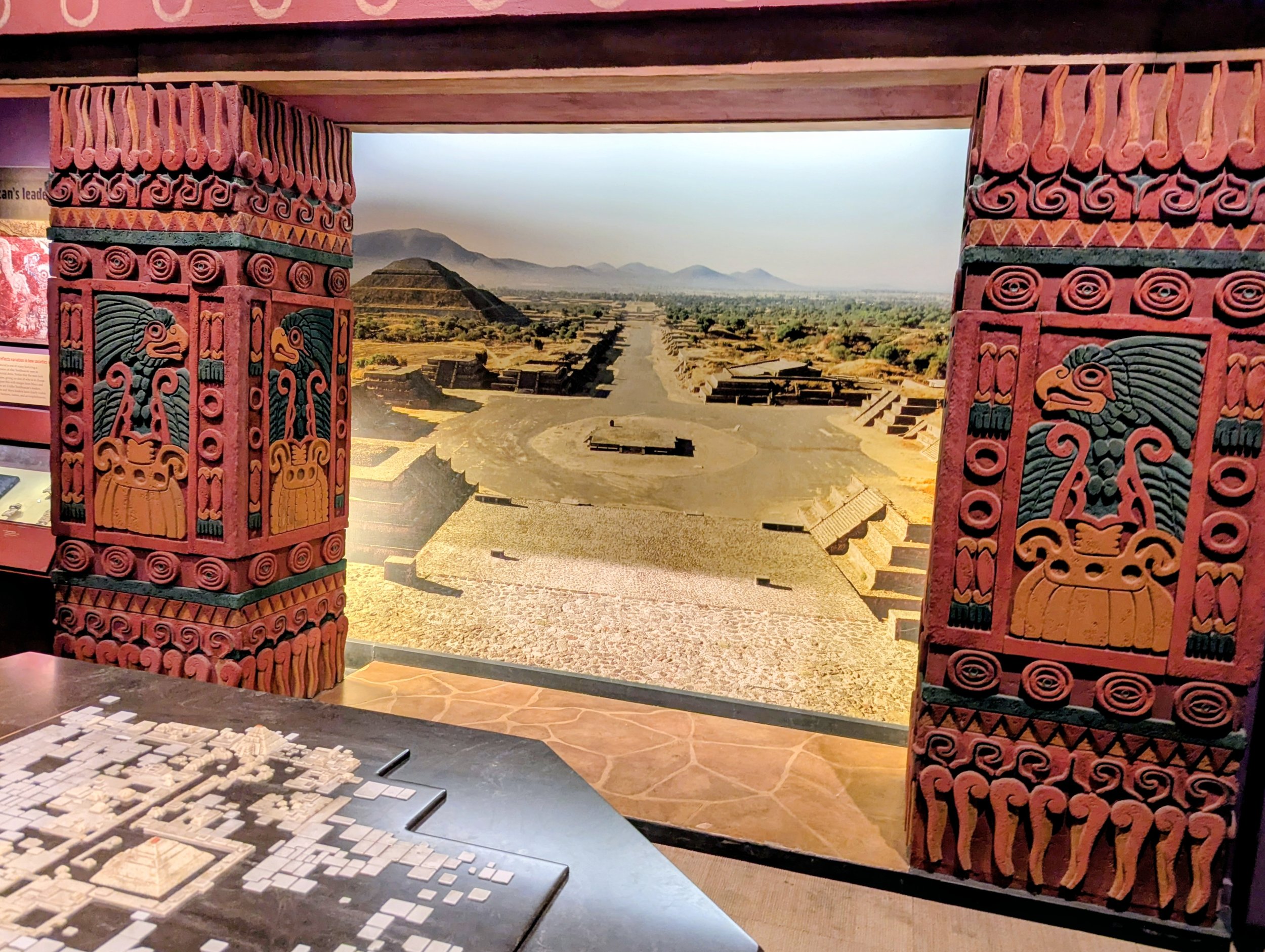
Visiting the Field Museum and Museum Campus- The Museum Campus in Chicago is another of the city's great public facilities. This area located close to the Lakefront and south of Millennium Park is a 57-acre cultural center that includes three top rank museums and the Soldier Field football and soccer stadium. Field Museum attracts large crowds to its huge museum halls which present more than 400,000 square feet of exhibits on the environment, cultures, conservation and the animals and people who have inhabited planet Earth. The dinosaur fossils, bones and exhibits are one great attraction there along with an impressive display of the history, practices, and beliefs of the ancient inhabitants of the Americas in the United States. Built in 1893 to house materials and artifacts gathered for the World Columbian Exposition, the museum has advanced into the 21st century by adding interactive displays, short films, and children’s activities. and topical exhibitions. Within a short distance from the Field Museum is the Adler Planetarium, which opened in 1930 as the first such facility in the country. The Adler's three theaters with sky shows and astronomy programs, antique scientific instruments, space exhibits, and summer programs for quizzical children make it a valuable resource for the city. The third museum type structure in the Museum Campus is the Shedd Aquarium which has been displaying 1500 species of fish, marine mammals, birds, and amphibians to visitors for generations. At one time, it was the largest indoor facility in the world and Shedd continues to attract visitors to its galleries.
Other Attractions- It could take weeks to see all of the attractions, unique activities and establishments that make Chicago special. This sprawling city has distinctive neighborhoods, amazing restaurants, festivals and conventions, and beautiful sections to explore so visiting there periodically is certainly worthwhile.