
Indiana Offers Pleasant Activities for People Visiting the “Crossroads of America”
For generations after the British ceded the Northwest Territory to the new nation of the United States, Indiana was a popular destination for settlers from eastern states and European immigrants seeking to build a new life farming or find work in growing industries. Indiana became a state in 1816 and continued to grow after the Civil War because of its natural resources like limestone and natural gas, and industrial plants producing steel, glass, and automobiles. It was the eighth most populated state in 1900 and the twelfth most populated state in 1950. Indiana’s central location along major roads and railroad tracks, together with its presence at the junction of four major Interstate Highways, led to its designation as the “Crossroads of America”.
During much of the 19th and 20th centuries, Indiana was considered to be a place that closely reflected the overall demographic, political and social climate of the United States. Changes in the diversity in the country over time and the movement of people and goods to western states, southern states, and scattered urban centers have affected the culture and lifestyle of Indiana and other places in the Heartland. But Indiana continues to have a growing population and ranks in the Top Ten states for business because of its manufacturing and logistics hubs, tax and regulatory climate, and infrastructure investments.
For people traveling across the country, going to Chicago, or looking to enjoy the lifestyle of America’s Heartland, there are some interesting places to visit and sites to see in Indiana. Here are just a few to consider visiting:
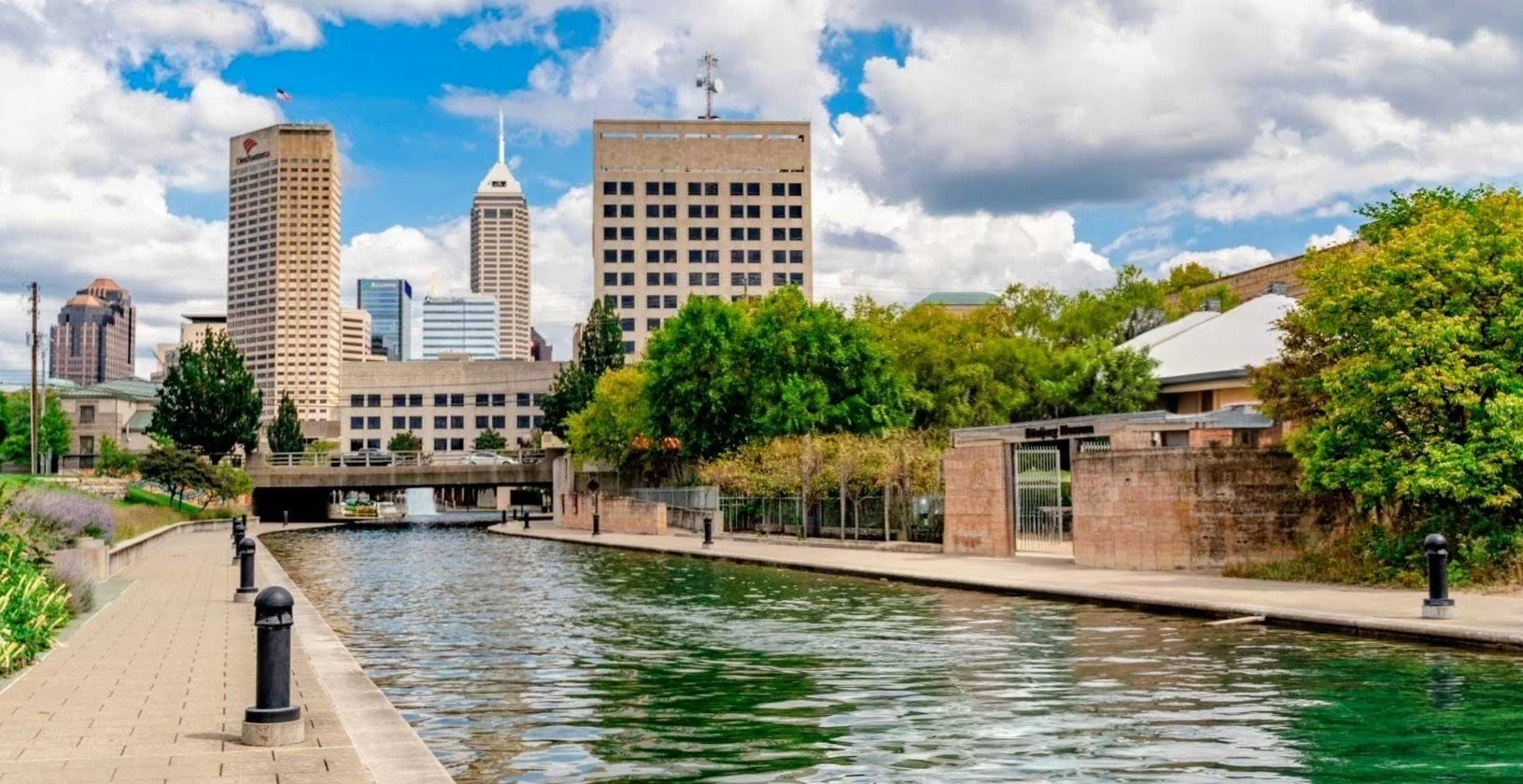
Visit the Sites in Indianapolis - Indianapolis was established as a planned capital city in a central location by the state legislature in 1821. Today, the city remains accessible serving large amounts of cargo traffic and people through its international airport, Amtrak service to major destinations, Interstates I-65 and I-70, and a 53-mile beltway around the city. Indianapolis has grown over the past two centuries to encompass over 900,000 residents in the city and 2.2 million people in the metropolitan area, making it the seventh largest metropolitan area in the Midwest. One unique feature of the community is its focus on amateur sports. Many national and international competitions have been held at Lucas Oil Field Stadium, the Gainbridge Fieldhouse, and the city’s specialty sports venues for everything from aquatics to cycling. Some attractions that visitors enjoy regularly include:
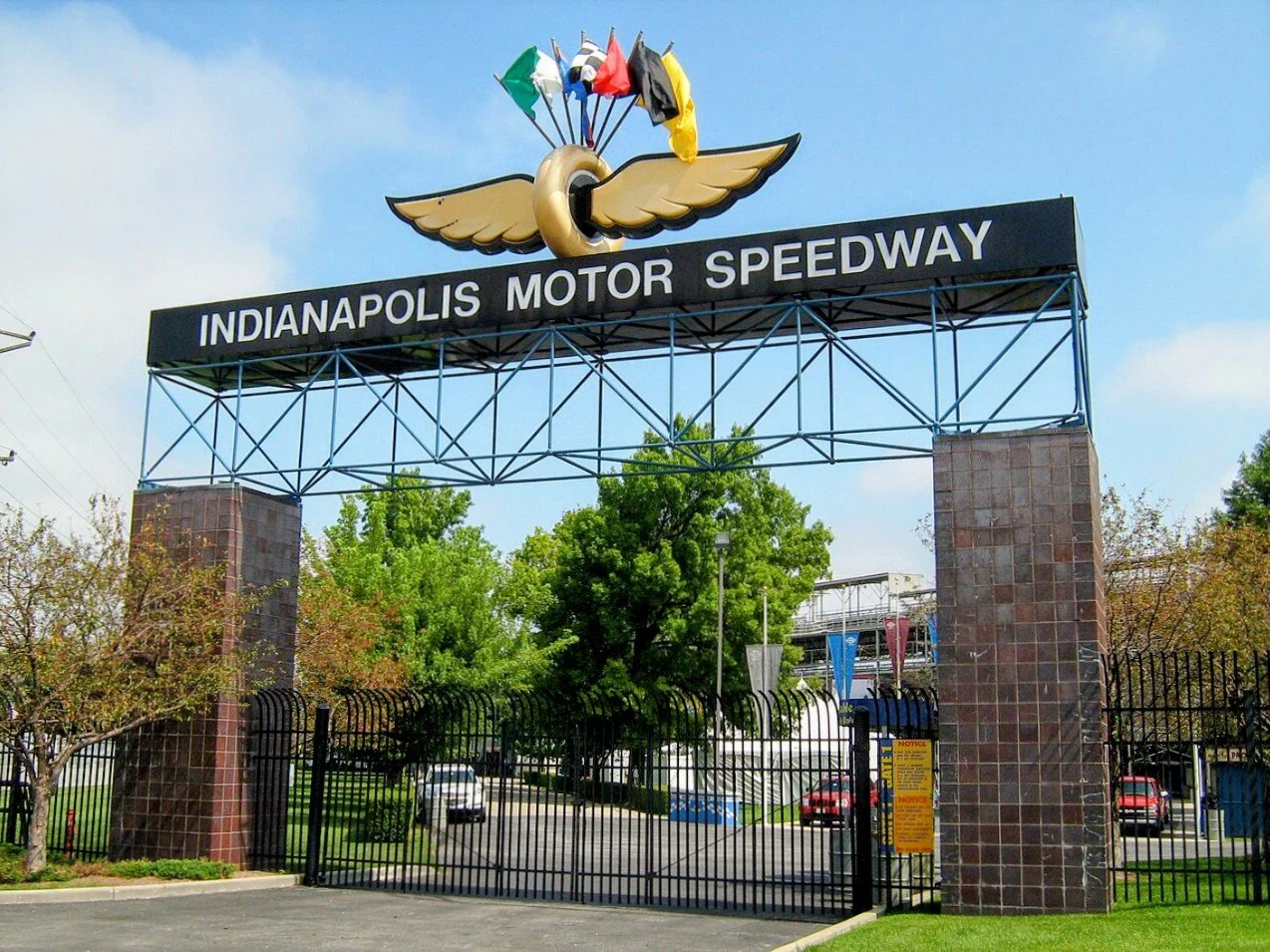
Indianapolis Motor Speedway and Museum – Factories in the state of Indiana were producing many different models of cars in the 1900s including Studebaker. This led to the construction of the Indianapolis Motor Speedway in 1909 for the testing and later the racing of automobiles in 1911. Since then, the legendary track has hosted over 115 years of the Indy 500 race and drawn over 200,000 people to the annual race. Track tours offered frequently during the year allow racing fans to see the track and the brickyard, enjoy interactive racing simulators, and view memories of the drivers and machines that the sport has generated.
Central Canal Walk and White River Park - Downtown Indianapolis contains the historic Central Canal and its picturesque Canal Walk. This walkway is secluded from the nearby streets and provides a three mile loop for locals and visitors to walk on, cycle, or jog along the downtown beneath the business district. People seeking to enjoy these activities will find shops renting bikes, kayaks, swan boats, and even gondola rides available there. The Canal Walk connects to the White River State Park, a play space, and several historic sites and monuments.
Museums - Museums are another big attraction in Indianapolis that people enjoy such as the Children’s Museum of Indianapolis known for its interactive galleries and displays of scientific and cultural items, the Indiana State Museum that includes relics from the state’s history, and the NCAA Hall of Champions that not only celebrates the legacy of the major sports but also the history and legacy of champions in twenty-four different fields of competition.
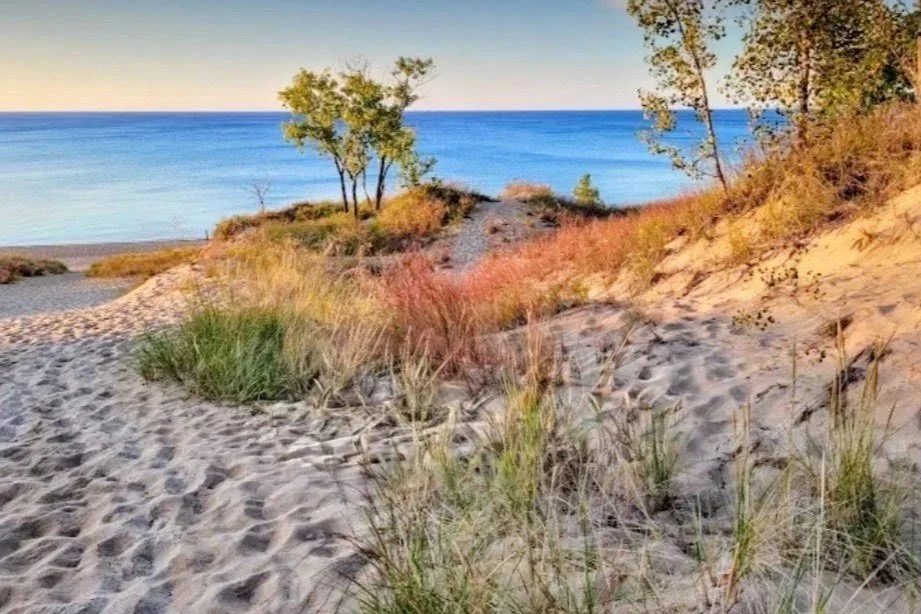
Enjoy the Indiana Dunes National Park- The State of Indiana has a small piece of shoreline along Lake Michigan that stretches for 45 miles. About fifteen those miles consist of the duneland area and protected ecosystem of the Indian Dunes National Park. Located only a short distance from the city of Chicago, this refuge has sweeping beaches of sand that rise into dunes along with inland marshes, wetlands and forests. The largest dune known as Mount Baldy rises to a height of 126 feet and shifts a few feet each year. In addition to swimming and sunbathing, the National Park has a large network of trails that are popular with hikers, bio diverse habitats with all kinds of flowers and plants, and an array of interesting birds to observe and photograph.
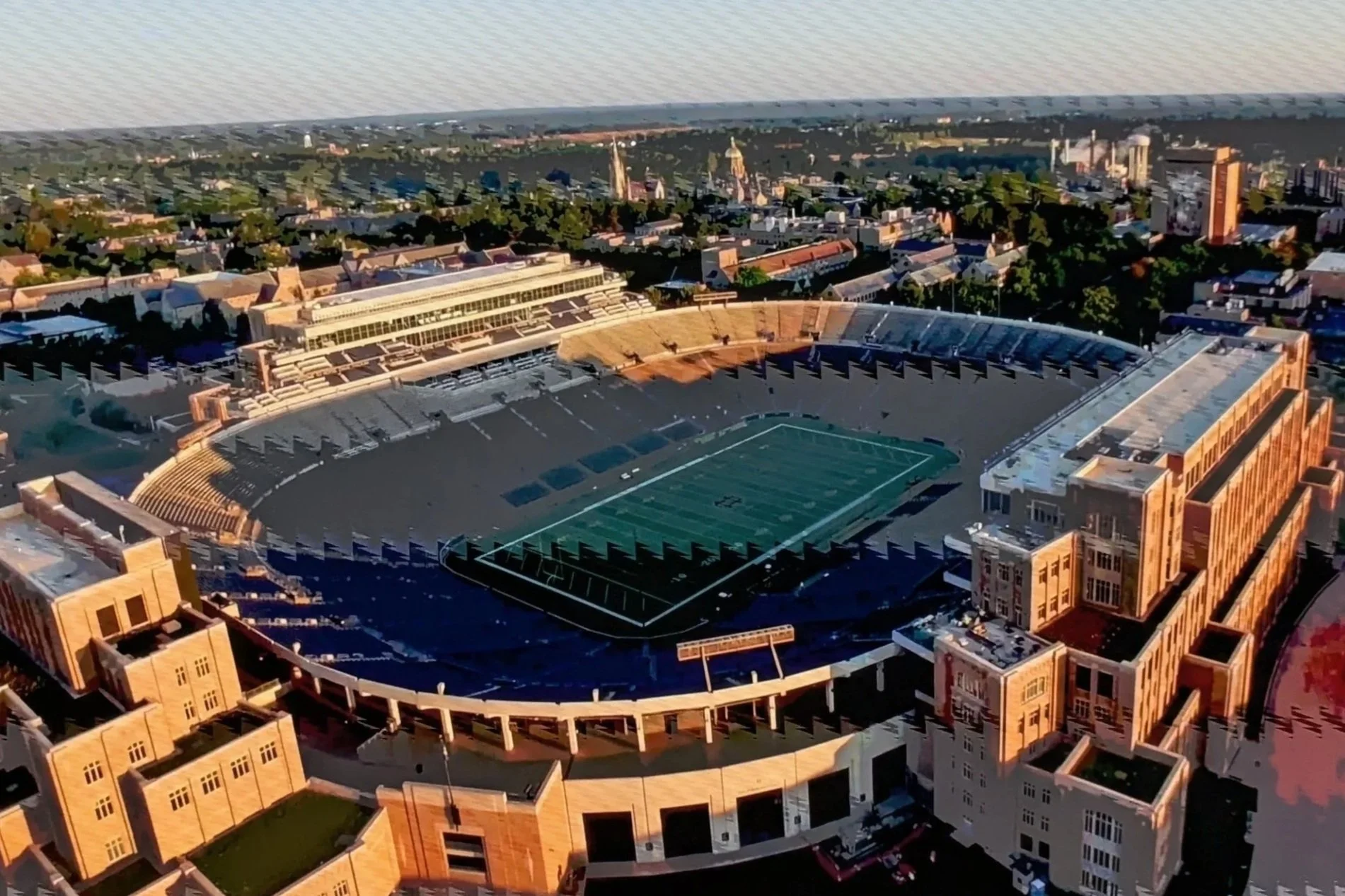
Tour Notre Dame University in South Bend- The City of South Bend has some of the characteristics of a declining Rust Belt community. It has been transitioning from the era when local manufacturers such as Studebaker and the downtown business community provided sustained economic growth, to one where education, health care, and technology innovators lead the way. Fortunately, the strong presence and continued prestige of Notre Dame University give the city an excellent foundation for that effort. Since its founding in 1842, the University has graduated over 135,000 students and presently has over 1,100 faculty members and 11,000 undergraduate and graduate students at its magnificent campus.
Known for its connection to football, the University has long been considered a “New Ivy” institution because of its academic excellence, graduate programs, and highly competitive admission standards. A walk through the campus quickly demonstrates that the student buildings and facilities for sciences and arts disciplines are outstanding. Besides the Golden Dome of the Main administrative Building, the football stadium, the Library and the Performing Arts Center, buildings housing various research centers explore everything from aerospace to radiation, and international studies to research computing. The Visitors Center presents an introduction to the University and its traditions, and offers tours throughout the week.

Sample Hoosier Basketball at the Larry Bird Museum in Terre Haute- Basketball has always been an important part of the culture of Indiana communities as depicted in the famous movie Hoosiers released in 1986. The best place to experience that legacy today is at the Larry Bird Museum located in Terre Haute on the campus of Indiana State University where Bird played college basketball. This small museum is packed with memorabilia, videos, and interactive activities for visitors. The museum tells the full story of Larry Bird’s life starting with growing up in the nearby farming community of French Lick and continuing with his effort to bring a NCAA championship to Indiana State, future rivalry with Lakers’ star Magic Johnson awards, and later NBA titles other honors with the Boston Celtics. His story is told creatively through all different kinds of exhibits that demonstrate why many rank him among the top five players in NBA history.
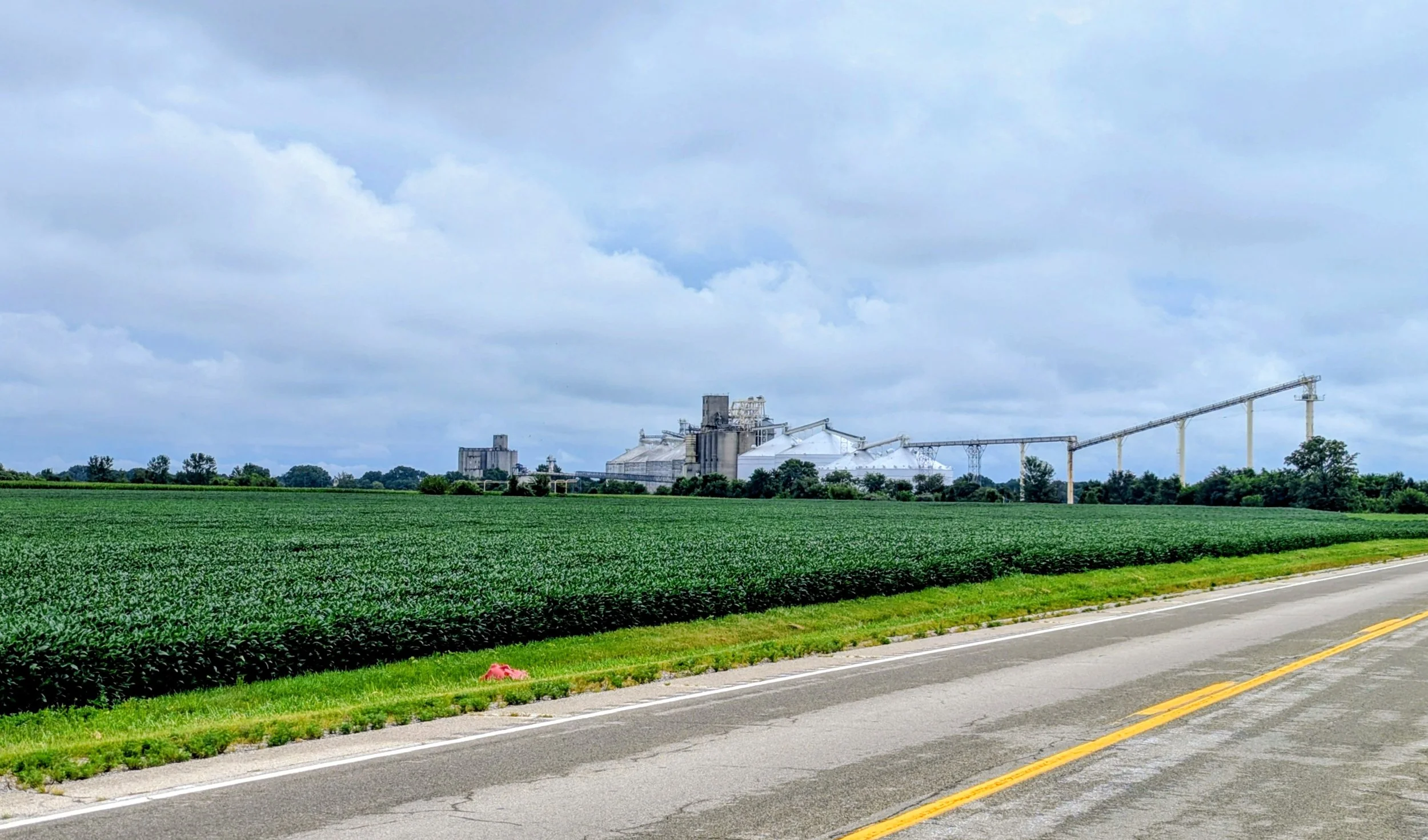
Take a Country Drive through the Farmland – There are many counties throughout Indiana that are dedicated to farming and agricultural industries. Over 65 percent of the state’s land is considered to be farmland. Despite suburbanization, over 90 percent of the farms are family owned and these traditions are preserved through county fairs, agritourism, farmers markets and robust 4-H programs. There are many areas in the state where crops planted and harvested stretch for miles in every direction. Knox County and Jasper County are two places to see vast stretches of such land and activity.